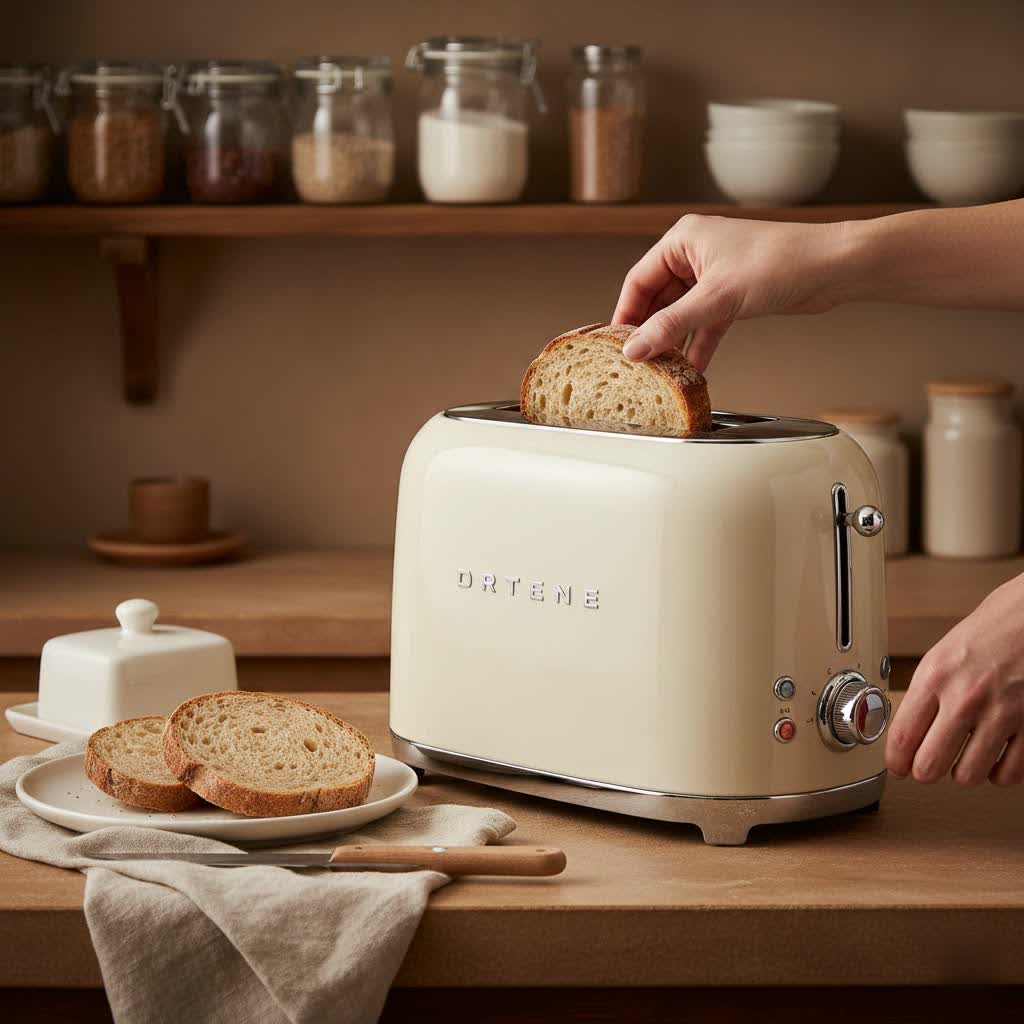
The quest for perfectly golden, crispy toast is a universal morning ritual for many. While often overlooked, the humble toaster plays a pivotal role in starting your day right. Yet, not all toasters are created equal. Among the myriad of features available, one stands out as a true game-changer for safety, convenience, and achieving optimal results: the high-lift lever. This seemingly simple mechanism elevates your toasting experience from good to absolutely essential, ensuring every piece of bread, no matter how small, is easily accessible without the risk of burnt fingertips.
What is a Toaster, and Why Do You Need One?
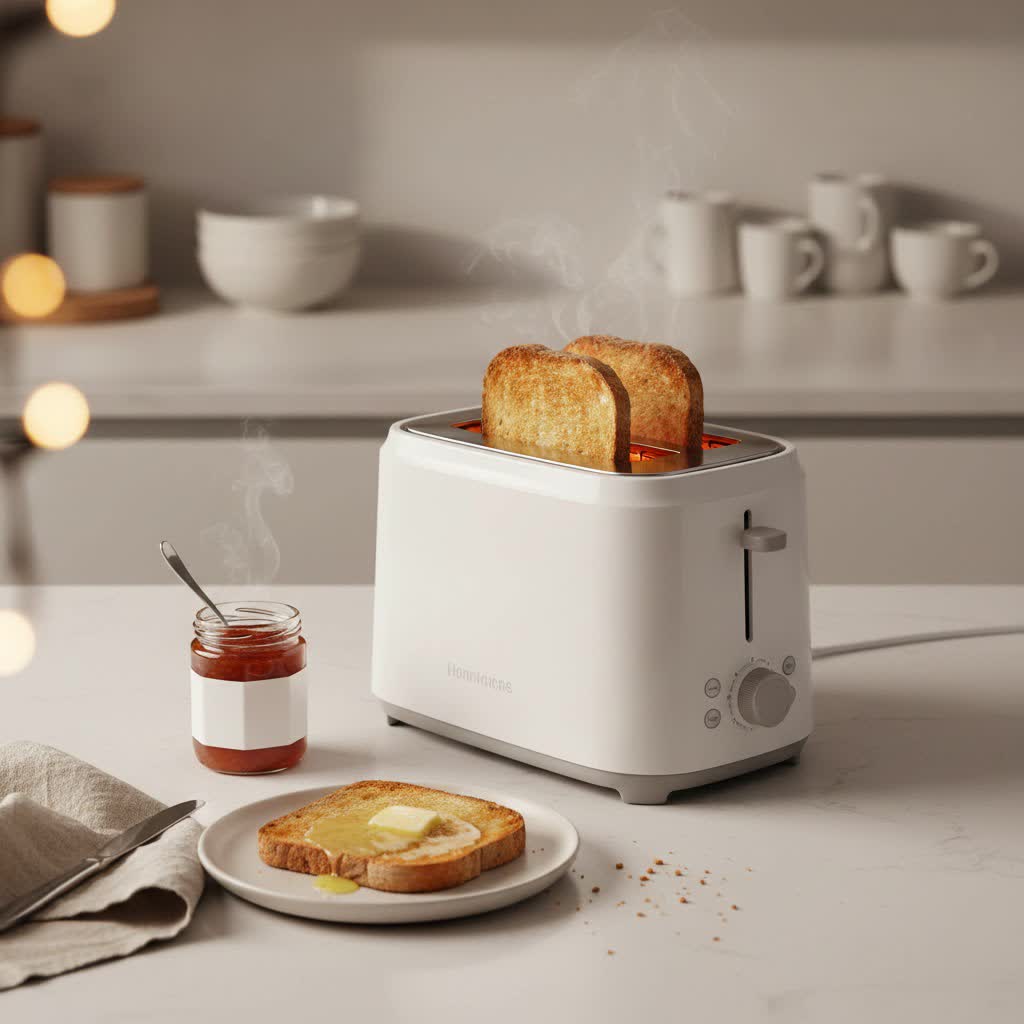
A toaster is a small kitchen appliance designed primarily to brown slices of bread and other similar foods using radiant heat. Its basic function is straightforward: transform soft bread into crisp, warm toast. From its early electric iterations in the early 20th century, the toaster has evolved significantly, moving beyond just simple browning to offer a range of specialized functions and designs tailored to modern kitchens.
Today’s market offers various types of toasters, each catering to different needs. The most common is the slot toaster, which uses vertical slots to hold bread slices. Then there are conveyor toasters, often found in commercial settings, designed for high-volume toasting. Finally, toaster ovens combine toasting functionality with a small oven, offering greater versatility for baking, broiling, and reheating. Regardless of the type, the goal remains the same: deliver delicious, evenly toasted bread.
The Unsung Hero: Understanding the High-Lift Lever
At its core, a high-lift lever is a mechanical extension on your toaster’s carriage. After your toast cycle is complete, this lever allows you to push the toast carriage higher than its standard “pop-up” position. It’s designed to counteract a common annoyance: when smaller items like English muffins, bagels, or petite bread slices don’t emerge high enough from the toasting slots, making them difficult or even dangerous to retrieve.
Without a high-lift lever, you might find yourself reaching into hot slots with a fork or tongs, or worse, your fingers, risking burns or electric shock. The high-lift lever eliminates this hazard by simply allowing you to elevate even the smallest items far enough above the toaster opening for safe, easy grabbing. It’s a thoughtful design element that prioritizes user safety and convenience, making the toasting experience smoother and more enjoyable.
Key Benefits: Why a High-Lift Lever Matters
Investing in a toaster with a high-lift lever might seem like a minor detail, but its advantages are substantial and impact your daily kitchen routine in meaningful ways.
Enhanced Safety
|
Our Picks for the Best Toaster in 2026
As an Amazon Associate I earn from qualifying purchases.
|
||
| Num | Product | Action |
|---|---|---|
| 1 | Elite Gourmet ECT-1027 Cool Touch Toaster, 7 Toast Settings Cancel Functions, Slide Out Crumb Tray, Extra Wide 1.5" Slots for Bagels Waffles Specialty Breads, Puff Pastry, Snacks, White |

|
| 2 | Cuisinart 4 Slice Compact Stainless Steel Toaster with Extra-Wide Slots for Bread, French Toast, Bagels & Pastries, Defrost & Reheat Functions, CPT-180P1, Brushed Stainless, Removable Crumb Tray |
|
| 3 | BLACK+DECKER® 2-Slice Toaster with 7 Toast Shade Settings, Extra-Wide Slots for Bagels, Stainless Steel Exterior Finish |
|
| 4 | Cuisinart CPT-122BK 2-Slice Compact Plastic Toaster, Slots for Bagels & Bread, 7 Shade Settings, Cancel/Defrost/Reheat Functions, Removable Crumb Tray, Small Kitchen Appliance for Home & Office, Black |
|
| 5 | Elite Gourmet ECT-3100 4-Slice Long Slot Toaster | Extra Wide Slots for Bagels, Sourdough & Texas Toast | 6 Browning Settings | Reheat, Defrost & Cancel | Built-In Warming Rack | Stainless Steel |
|
| 6 | BLACK+DECKER 4-Slice Toaster, Extra Wide Slots, 7 Shade Settings, 1400 Watts, Frozen and Bagel Buttons, Toast Shade Selector, Extra Lift |
|
| 7 | bella 2 Slice Slim Toaster, Fits-anywhere™ Kitchenware, 6 Setting Shade Control with Reheat & Cancel Buttons, Fits Sourdough, 10” Long Slot, Anti Jam & Auto Shutoff, 900 Watt, Surf |
|
| 8 | bella 2 Slice Slim Toaster, Fits-anywhere™ Kitchenware, 6 Setting Shade Control with Reheat & Cancel Buttons, Fits sourdough, 10” Long Slot, Anti Jam & Auto Shutoff, 900 Watt, Oatmilk |
|
| 9 | Amazon Basics 2 Slice Toaster, Extra Wide Slots for Bagels, 6 Browning Settings, Removable Crumb Tray, Defrost/Cancel/Bagel Buttons, Cord Wrap, 900W, Black & Silver |
|
| 10 | Elite Gourmet 2-Slice Cool Touch Toaster – 6 Browning Levels, Extra Wide 1.25” Slots for Bagels & Thick Bread, Cancel Function, Compact, ETL Certified, Black |
|
The primary and most crucial benefit of a high-lift lever is enhanced safety. Reaching into a hot toaster slot to retrieve a stubbornly low piece of toast is a common cause of minor kitchen burns. A high-lift lever raises the toasted item sufficiently, allowing you to grip it safely without any danger of touching the hot interior walls or heating elements. This feature is particularly valuable for households with children, minimizing the risk of accidental burns during breakfast preparations.
Greater Convenience and Accessibility
Beyond safety, a high-lift lever significantly boosts convenience. Imagine effortlessly lifting out a perfectly toasted bagel half without needing specialized tongs or contorting your fingers. Whether it’s a small crumpet, a thin slice of sourdough, or a petite pastry, the high-lift mechanism ensures that every item is readily accessible. This eliminates frustration and streamlines your morning routine, making your toaster truly user-friendly for all types of bread and users.
Toasting Perfection with “Lift and Look”
Many modern toasters combine the high-lift lever with a “lift and look” function. This means you can raise the carriage mid-cycle to check on the browning progress without interrupting the toasting or resetting the timer. This control is invaluable for achieving your preferred level of crispness every time, preventing over-toasting or under-toasting. You can peek, assess, and lower it back down to continue toasting if needed, granting you precise control over your toast’s shade.
Versatility for Diverse Breads
A high-lift lever often complements toasters with extra-wide slots, which are designed to accommodate a variety of bread types, including thicker artisan loaves, bagels, and frozen waffles. While wide slots ensure your thicker items fit, the high-lift lever ensures they can be safely removed once toasted. This combination makes your toaster incredibly versatile, capable of handling everything from standard sandwich bread to gourmet pastries, all with equal ease and safety.
Factors to Consider When Buying a Toaster (Beyond the Lever)
While a high-lift lever is a fantastic feature, it’s part of a broader set of considerations when selecting the ideal toaster for your home.
Toaster Type
Decide whether a traditional slot toaster is sufficient, or if a toaster oven might better suit your needs, offering baking and broiling capabilities alongside toasting. For most daily toast requirements, a slot toaster is perfectly adequate, but larger families or those who frequently use an oven for smaller tasks might prefer a toaster oven.
Number of Slots
Toasters commonly come with two or four slots. A 2-slice toaster is ideal for individuals or couples with limited counter space. A 4-slice toaster, or even a long-slot 2-slice model that can accommodate two standard slices side-by-side, is better for larger families or those who toast frequently, allowing you to prepare more toast in fewer batches.
Size and Design
Consider the available counter space in your kitchen. Compact models are great for smaller areas, while larger, more robust units might be a better fit for spacious kitchens. The material and aesthetic design also play a role; stainless steel, matte finishes, and various color options can help your toaster blend seamlessly with your kitchen décor.
Other Special Features
Modern toasters offer a plethora of additional features. Look for a reheat function to warm toast without further browning, a defrost setting for frozen bread, and a dedicated bagel function that toasts only one side. Adjustable browning settings, automatic shut-off for safety, and a removable crumb tray for easy cleaning are also highly desirable.
Brand and Price
Reputable brands often offer better durability and performance. While budget-friendly options exist, investing a bit more in a well-regarded brand can ensure a toaster that lasts longer and performs more consistently. Compare prices across different models and brands to find the best value for your desired features.
Maximizing Your Toaster’s Life: Usage and Care Tips
Proper usage and maintenance can significantly extend the life of your toaster and ensure consistent performance. Always follow the manufacturer’s instructions for safe operation, ensuring the toaster is placed on a stable, heat-resistant surface away from flammable materials.
Regular cleaning is crucial, especially for the crumb tray. Most toasters feature a removable crumb tray at the bottom, which slides out for easy disposal of accumulated crumbs. Clean this tray regularly to prevent burnt crumbs and reduce fire risk. For the exterior, simply wipe with a damp cloth after unplugging and cooling. Avoid using abrasive cleaners or submerging the toaster in water. If you encounter common issues like uneven toasting, ensure your bread is properly centered in the slots, and consider if the elements require a gentle, careful cleaning (always unplugged).
Finding Your Ideal Toaster: A Smart Buyer’s Guide
Choosing the right toaster comes down to understanding your specific needs and prioritizing features that enhance your daily routine. Start by assessing how often you toast, for how many people, and what types of bread you typically enjoy. This will help you determine the necessary slot count and whether wide slots are essential.
Next, set a realistic budget. While a high-lift lever is an excellent feature, it’s often found on mid-range to higher-end models. Finally, always read product descriptions and user reviews thoroughly. Comparing different models based on their features, user feedback, and price will guide you to an informed decision. Remember, a toaster is more than just an appliance; it’s a tool that can significantly improve your breakfast experience.
Conclusion
In the journey toward mastering the perfect slice of toast, the seemingly small detail of a high-lift lever emerges as a powerfully impactful feature. It’s a testament to thoughtful design, offering not just convenience but, more importantly, a vital layer of safety for every user. From preventing burnt fingers to allowing a quick peek at browning progress, this feature transforms the simple act of toasting into a seamless and enjoyable experience. When you’re in the market for a new toaster, prioritizing a high-lift lever ensures you’re investing in an appliance that’s both smart and safe.
What other overlooked toaster features do you think make a big difference in the kitchen?
Frequently Asked Questions
What kind of bread benefits most from a high-lift lever?
A high-lift lever is especially beneficial for smaller items like English muffins, bagels, crumpets, and shorter slices of artisanal bread that might not fully emerge from standard toaster slots. It ensures safe and easy retrieval without fumbling or burning your fingers.
Can a high-lift lever also help with checking toast doneness?
Yes, many toasters with a high-lift lever also incorporate a “lift and look” function, allowing you to momentarily raise the toast carriage to check its browning progress without canceling the toasting cycle. This helps you achieve your desired level of crispness without overcooking.