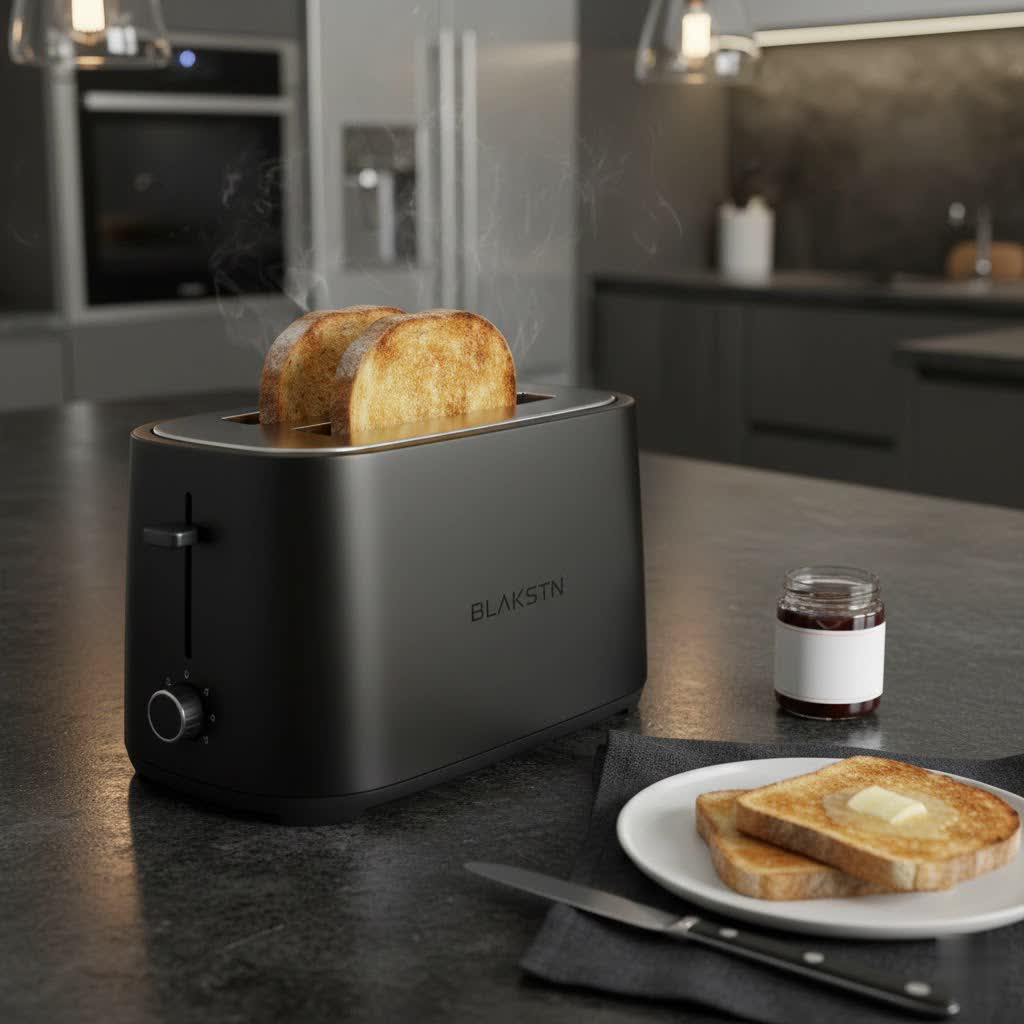
Few appliances are as universally beloved and frequently used as the toaster, turning a humble slice of bread into a warm, crispy delight. Yet, beneath its simple function lies a potential fire hazard if not equipped with modern safety features. One of the most critical, often overlooked, is the auto-shutoff. This feature isn’t just a convenience; it’s a vital safety mechanism designed to protect your home and loved ones from preventable accidents. Understanding its importance can significantly influence your next toaster purchase, ensuring peace of mind with every perfect piece of toast.
What is a Toaster and Why Do You Need One with Auto-Shutoff?
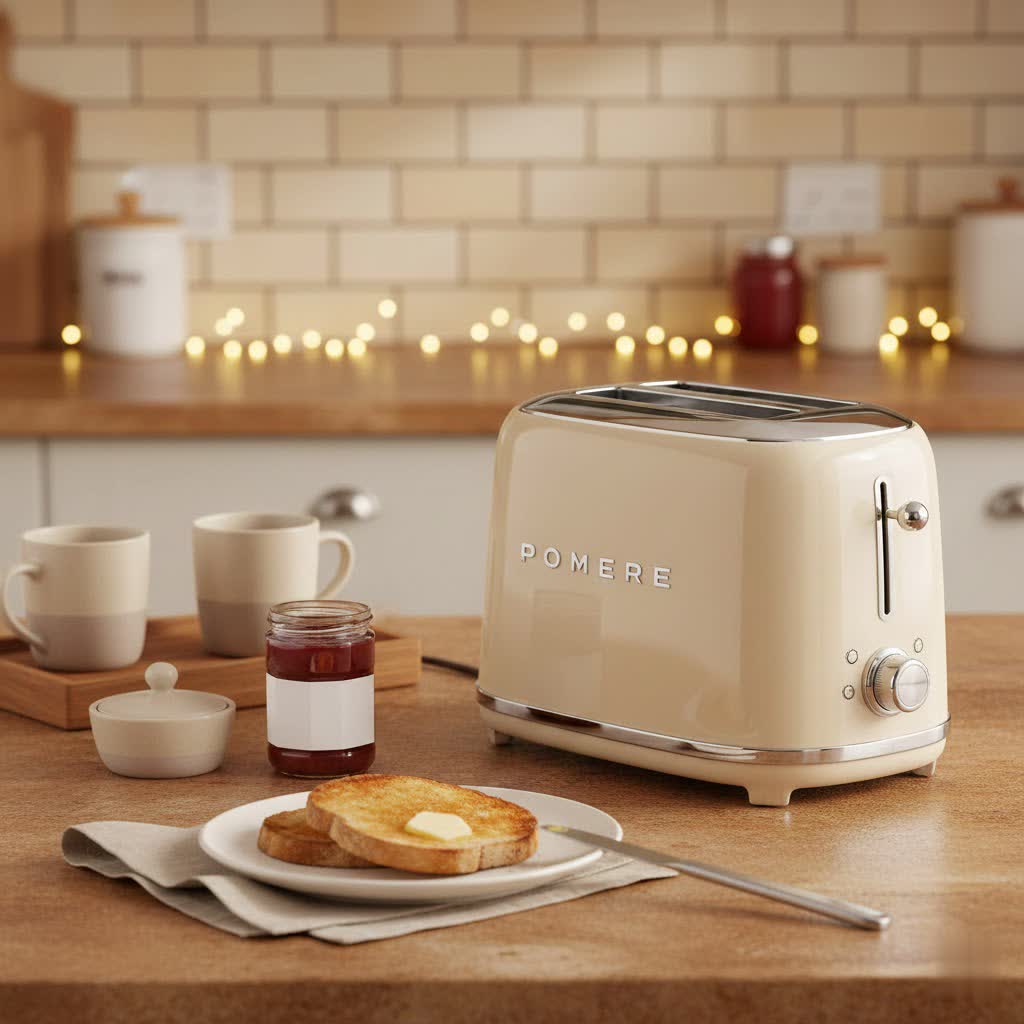
At its core, a toaster is an electric small appliance designed to expose slices of bread to radiant heat, converting them into toast. From the early electric toasters of the 20th century to the smart models of today, their fundamental purpose remains unchanged. However, the technology has evolved, especially concerning safety. While any toaster provides the convenience of quick toast, one equipped with an auto-shutoff feature offers an indispensable layer of protection. Without it, a forgotten or malfunctioning toaster can continue to heat, leading to smoke, burnt food, or, in severe cases, electrical fires. The auto-shutoff is paramount because it automatically cuts power to the heating elements when toast is done, or if the appliance detects an issue, significantly reducing these risks.
The evolution of toasters has seen them move beyond mere heating devices to incorporate advanced safety protocols. Early toasters often lacked sophisticated timing mechanisms, relying on manual intervention. Today, various types exist, including pop-up slot toasters, toaster ovens, and conveyor toasters, each with specific applications, but the auto-shutoff remains a universal safety necessity across all categories.
Essential Factors to Consider When Buying a Toaster for Safety
When investing in a new toaster, prioritizing safety features like auto-shutoff is non-negotiable. Beyond basic functionality, several factors play a crucial role in ensuring you bring a safe and reliable appliance into your home.
Type of Toaster
The type of toaster you choose often depends on your primary usage and kitchen space, but safety should influence this decision.
- Slot Toaster (Pop-Up Toaster): These are the most common, designed specifically for toasting bread slices. Modern slot toasters almost universally include auto-shutoff, automatically ejecting the toast and cutting power once the cycle is complete. Look for models with wider slots to accommodate various bread types and ensure the toast doesn’t get stuck.
- Toaster Oven: More versatile, toaster ovens can toast, bake, broil, and reheat. While many have a toast setting with an auto-shutoff, it’s crucial to verify this. Their multi-functionality means they might operate differently from a simple pop-up toaster, so ensure their auto-shutoff explicitly covers the toasting function and general overheating.
- Conveyor Toaster: Primarily for commercial settings, these are designed for high-volume toasting. For home use, they are less common, but if considered, their industrial nature mandates robust safety systems, including comprehensive auto-shutoff mechanisms.
|
Our Picks for the Best Toaster in 2026
As an Amazon Associate I earn from qualifying purchases.
|
||
| Num | Product | Action |
|---|---|---|
| 1 | Cuisinart 4 Slice Compact Stainless Steel Toaster with Extra-Wide Slots for Bread, French Toast, Bagels & Pastries, Defrost & Reheat Functions, CPT-180P1, Brushed Stainless, Removable Crumb Tray |

|
| 2 | Elite Gourmet 2-Slice Cool Touch Toaster – 6 Browning Levels, Extra Wide 1.25” Slots for Bagels & Thick Bread, Cancel Function, Compact, ETL Certified, Black |
|
| 3 | Elite Gourmet ECT-1027 Cool Touch Toaster, 7 Toast Settings Cancel Functions, Slide Out Crumb Tray, Extra Wide 1.5" Slots for Bagels Waffles Specialty Breads, Puff Pastry, Snacks, White |
|
| 4 | Cuisinart CPT-122BK 2-Slice Compact Plastic Toaster, Slots for Bagels & Bread, 7 Shade Settings, Cancel/Defrost/Reheat Functions, Removable Crumb Tray, Small Kitchen Appliance for Home & Office, Black |
|
| 5 | bella 2 Slice Slim Toaster, Fits-anywhere™ Kitchenware, 6 Setting Shade Control with Reheat & Cancel Buttons, Fits sourdough, 10” Long Slot, Anti Jam & Auto Shutoff, 900 Watt, Oatmilk |
|
| 6 | Elite Gourmet ECT-3100 4-Slice Long Slot Toaster | Extra Wide Slots for Bagels, Sourdough & Texas Toast | 6 Browning Settings | Reheat, Defrost & Cancel | Built-In Warming Rack | Stainless Steel |
|
| 7 | Amazon Basics 2 Slice Toaster, Extra Wide Slots for Bagels, 6 Browning Settings, Removable Crumb Tray, Defrost/Cancel/Bagel Buttons, Cord Wrap, 900W, Black & Silver |
|
| 8 | BLACK+DECKER 4-Slice Toaster, Extra Wide Slots, 7 Shade Settings, 1400 Watts, Frozen and Bagel Buttons, Toast Shade Selector, Extra Lift |
|
| 9 | BLACK+DECKER® 2-Slice Toaster with 7 Toast Shade Settings, Extra-Wide Slots for Bagels, Stainless Steel Exterior Finish |
|
| 10 | bella 2 Slice Slim Toaster, Fits-anywhere™ Kitchenware, 6 Setting Shade Control with Reheat & Cancel Buttons, Fits Sourdough, 10” Long Slot, Anti Jam & Auto Shutoff, 900 Watt, Surf |
|
Number of Slots
The number of slots affects capacity and, potentially, footprint.
- 2-Slot Toasters: Ideal for individuals or small households, these are compact and efficient. Ensure the auto-shutoff function is reliable for both slots, even if only one is in use.
- 4-Slot Toasters: Perfect for larger families or those who frequently toast multiple items, these offer increased capacity. With more heating elements, a reliable auto-shutoff becomes even more critical to prevent prolonged heating across all slots.
- Other Configurations: Some toasters offer long, single slots for artisanal bread or even 6-slot models. Regardless of the configuration, the principle remains: the auto-shutoff must be robust enough to manage all heating elements effectively and consistently.
Size and Design
While aesthetics are important for kitchen harmony, the physical design also impacts safety.
- Overall Size: Ensure the toaster fits comfortably on your counter with adequate clearance from cabinets and walls, preventing heat buildup.
- Material and Durability: Stainless steel and robust plastics are common. Stainless steel often dissipates heat better and is more durable. Look for sturdy construction that won’t easily tip over. Cool-touch exteriors are a significant safety advantage, especially in homes with children.
- Design and Color: While subjective, avoid designs that might obstruct the toast ejection mechanism or make cleaning difficult, as crumb buildup can be a fire hazard.
Essential Special Features, Especially Auto-Shutoff
Beyond the core function, specific features enhance both usability and safety, with auto-shutoff being paramount.
- Auto-Shutoff (Mandatory): This is the core safety feature. It automatically stops the toasting cycle and powers down the heating elements once the toast is done or if the toaster overheats. This prevents burnt toast, smoke, and potential fires from neglected or malfunctioning toasters.
- Reheat Function: Warms already-toasted bread without further browning.
- Defrost Function: Thaws frozen bread before toasting it to your desired crispness.
- Bagel Function: Toasts only the cut side of bagels or thicker bread slices, leaving the outer side soft.
- Variable Browning Control: Allows you to select your preferred level of crispness, from lightly golden to dark and crunchy. A good auto-shutoff ensures this setting is precisely met without over-toasting.
- High-Lift Lever: Lifts smaller items higher for safe removal, preventing burned fingers.
- Crumb Tray: A removable tray that collects crumbs, making cleaning easy and significantly reducing fire risks associated with crumb buildup. Ensure it’s easily accessible and fits securely.
- Automatic Centering Guides: Ensures even toasting by holding bread slices in the middle of the slots.
- Anti-Jam Mechanism: Prevents bread from getting stuck and continuously heating, which is a critical safety feature that works in tandem with auto-shutoff to prevent fires.
- Cool-Touch Exterior: Prevents accidental burns from touching the toaster’s outside surface during operation.
Brands and Prices
Reputable brands often invest more in safety research and quality control, leading to more reliable auto-shutoff features.
- Reputable Brands: Companies like Cuisinart, KitchenAid, Breville, and Proctor Silex are known for producing high-quality toasters with robust safety features.
- Price Comparison: While you shouldn’t compromise on safety, you can find excellent toasters with auto-shutoff at various price points. Entry-level models typically start around $20-$30, while premium models with advanced features can range from $100-$200+. Always read reviews, specifically looking for mentions of safety and durability. A higher price often indicates better build quality and more consistent performance, which contributes to long-term reliability of safety features.
Comparison of Top Toasters with Advanced Safety Features
When selecting a toaster, the integration of a reliable auto-shutoff mechanism is a key differentiator. Here’s a comparative overview of some popular models known for their performance and safety.
| Feature | Cuisinart CPT-180 | Breville BTA820XL Smart Toaster | KitchenAid KMT2115HX |
|---|---|---|---|
| Type | 4-Slice Slot Toaster | 2-Slice Slot Toaster | 2-Slice Slot Toaster |
| Auto-Shutoff | Yes, automatic lift and power cut at cycle end | Yes, internal sensor and automatic power cut | Yes, automatic lift and power cut |
| Browning Settings | 6 | “A Bit More” and “Lift & Look” functions for precision | 5 |
| Special Features | Dual independent toasting controls, Reheat, Defrost, Bagel | Motorized lift, LED progress indicator, Crumb tray | High-lift lever, Removable crumb tray, Bagel, Defrost |
| Material | Brushed stainless steel | Brushed stainless steel | All-metal construction |
| Price Range | Mid-range | High-end | Mid-range |
| Pros | Versatile with dual controls, reliable safety | Premium feel, precise control, additional features | Durable, classic design, easy to use |
| Cons | Can be bulky for smaller kitchens | Higher price point, only 2-slice | Fewer browning settings than some competitors |
“The seemingly minor detail of an auto-shutoff feature in a toaster can be the difference between a perfectly golden slice of bread and a dangerous kitchen fire. It’s a non-negotiable safety standard for any modern appliance.” – Dr. Eleanor Vance, Home Safety Engineer
How to Use and Maintain Your Toaster Correctly with Safety in Mind
Even with an auto-shutoff feature, proper usage and maintenance are crucial to maximizing safety and extending your toaster’s lifespan.
Safe Toaster Usage Guidelines
- Placement: Always place your toaster on a flat, stable, heat-resistant surface, away from walls, curtains, and flammable materials. Ensure at least 6 inches of clearance on all sides and above the toaster.
- Plug In Safely: Plug the toaster directly into a wall outlet. Avoid using extension cords, as they can overheat and pose a fire risk.
- Correct Bread Size: Ensure bread slices fit completely within the slots without touching the heating elements directly. If bread gets stuck, unplug the toaster before attempting to dislodge it with a non-metallic utensil. Never use metal objects.
- Monitor Use: While auto-shutoff provides a safety net, it’s always best practice to remain in the kitchen when the toaster is in use, especially for the first few cycles with a new appliance or a different type of bread.
- Unplug When Not in Use: For ultimate safety, unplug your toaster when it’s not in operation. This prevents accidental activation and reduces phantom energy drain.
Cleaning and Maintenance for Longevity
- Empty Crumb Tray Regularly: This is perhaps the most critical maintenance task for safety. Crumbs can accumulate, scorch, and even ignite. Unplug the toaster, let it cool completely, and then slide out and empty the crumb tray after every few uses. Wash the tray with warm, soapy water if necessary, and ensure it’s completely dry before returning it.
- Clean Exterior: Wipe down the exterior with a damp cloth (unplugged, of course) to remove fingerprints and food splatters. Avoid abrasive cleaners.
- Internal Cleaning: Never submerge your toaster in water. For crumbs stuck inside the main chamber, gently shake the toaster upside down over a sink. Avoid using sharp objects inside the toaster to clean it.
- Inspect Cord: Periodically check the power cord for any signs of fraying, cuts, or damage. If the cord is damaged, stop using the toaster immediately and have it professionally repaired or replaced.
Tips for Choosing the Right Toaster Featuring Auto-Shutoff for Your Needs
Selecting the perfect toaster involves balancing your daily needs with essential safety features. Here’s how to make an informed decision:
-
Assess Your Usage Habits:
- Household Size: A 2-slot toaster is fine for singles or couples, while a 4-slot or larger model suits families.
- Bread Variety: If you toast bagels, artisanal bread, or thick slices frequently, look for wider slots or a dedicated bagel function.
- Frequency: Daily users will benefit from a more durable model with consistent performance.
-
Set a Realistic Budget: Determine how much you’re willing to spend. Remember, while budget is a factor, prioritizing a reliable auto-shutoff and robust build quality should be paramount, even if it means a slightly higher upfront cost for long-term safety and durability.
-
Research Products and Read Reviews:
- Look for reviews that specifically mention the auto-shutoff’s reliability and consistency.
- Pay attention to feedback regarding even toasting, durability, and ease of cleaning (especially the crumb tray).
- Check for any recurring complaints about safety issues or premature malfunctions.
-
Compare Features and Brands: Use comparison tables, like the one above, to weigh the pros and cons of different models. Consider how features like “Lift & Look” or specific browning settings align with your personal preferences, but never at the expense of core safety features.
By systematically considering these factors, you can ensure that your chosen toaster not only delivers perfect toast but also integrates seamlessly and safely into your daily kitchen routine.
Conclusion
The toaster, an unassuming kitchen staple, holds a significant place in our daily lives, yet its potential for hazard is often underestimated. As technology progresses, so too must our expectations for appliance safety. The auto-shutoff feature stands out as an indispensable innovation, transforming a simple heating device into a guardian of your home. It’s more than just a convenience; it’s a critical safety net that prevents countless accidents, from minor burnt toast incidents to serious kitchen fires. Investing in a toaster equipped with a reliable auto-shutoff mechanism is a testament to prioritizing safety, ensuring peace of mind with every slice. So, when you’re next in the market, remember that a toaster’s true value isn’t just in its ability to brown bread, but in its commitment to keeping your home safe. What safety features do you look for most in your kitchen appliances?
Frequently Asked Questions
What exactly does a toaster’s auto-shutoff feature do?
A toaster’s auto-shutoff feature automatically turns off the heating elements once the toasting cycle is complete or if the appliance detects an overheating condition. This prevents toast from burning, reduces the risk of smoke and fire, and generally enhances kitchen safety by ensuring the toaster doesn’t continue operating unattended or malfunctioning.
Is auto-shutoff the same as an anti-jam feature?
While both are safety features, they serve different purposes. Auto-shutoff powers down the toaster when the cycle finishes or if it overheats. An anti-jam feature prevents bread from getting stuck in the toaster, which can lead to continuous heating and a fire risk. Many modern toasters incorporate both, working together to provide comprehensive safety.
Can I still get a fire with a toaster that has auto-shutoff?
While an auto-shutoff significantly reduces fire risk, it doesn’t eliminate it entirely. Fires can still occur due to excessive crumb buildup, placing flammable items too close to the toaster, or internal electrical faults that bypass safety mechanisms. Always maintain good toaster hygiene and follow usage instructions.
How often should I clean my toaster’s crumb tray?
For optimal safety and performance, you should empty your toaster’s crumb tray after every few uses, or at least once a week if you use your toaster daily. Regular cleaning prevents crumbs from accumulating, which can scorch, produce smoke, or even ignite, despite the auto-shutoff feature.
Are all toasters with auto-shutoff equally safe?
Not necessarily. While most modern toasters have an auto-shutoff, the reliability and specific mechanisms can vary by brand and model. Look for toasters from reputable manufacturers with positive safety reviews and consider additional safety features like cool-touch exteriors and robust anti-jam functions for enhanced protection.