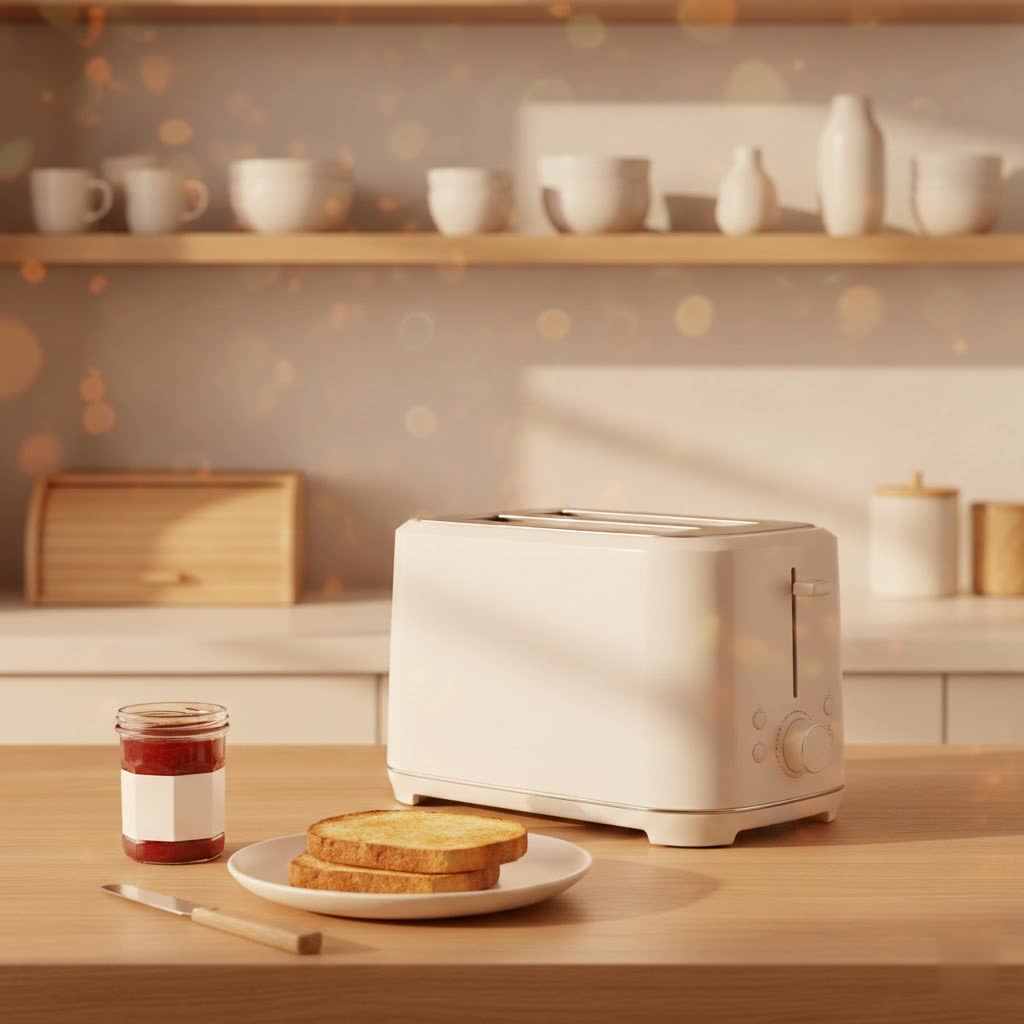
Every morning, the humble toaster stands ready to transform a simple slice of bread into a golden, crispy delight. But with so many options available, a crucial decision often arises: should you opt for a compact 2-slice toaster or a more robust 4-slice model? This choice isn’t just about capacity; it significantly impacts your kitchen workflow, counter space, and daily convenience. Understanding the nuances between these two popular toaster types is key to selecting the appliance that perfectly complements your lifestyle and breakfast habits. This guide will delve deep into the world of toasters, helping you make an informed decision to ensure perfectly toasted bread every time.
What is a Toaster and Why Do You Need One?
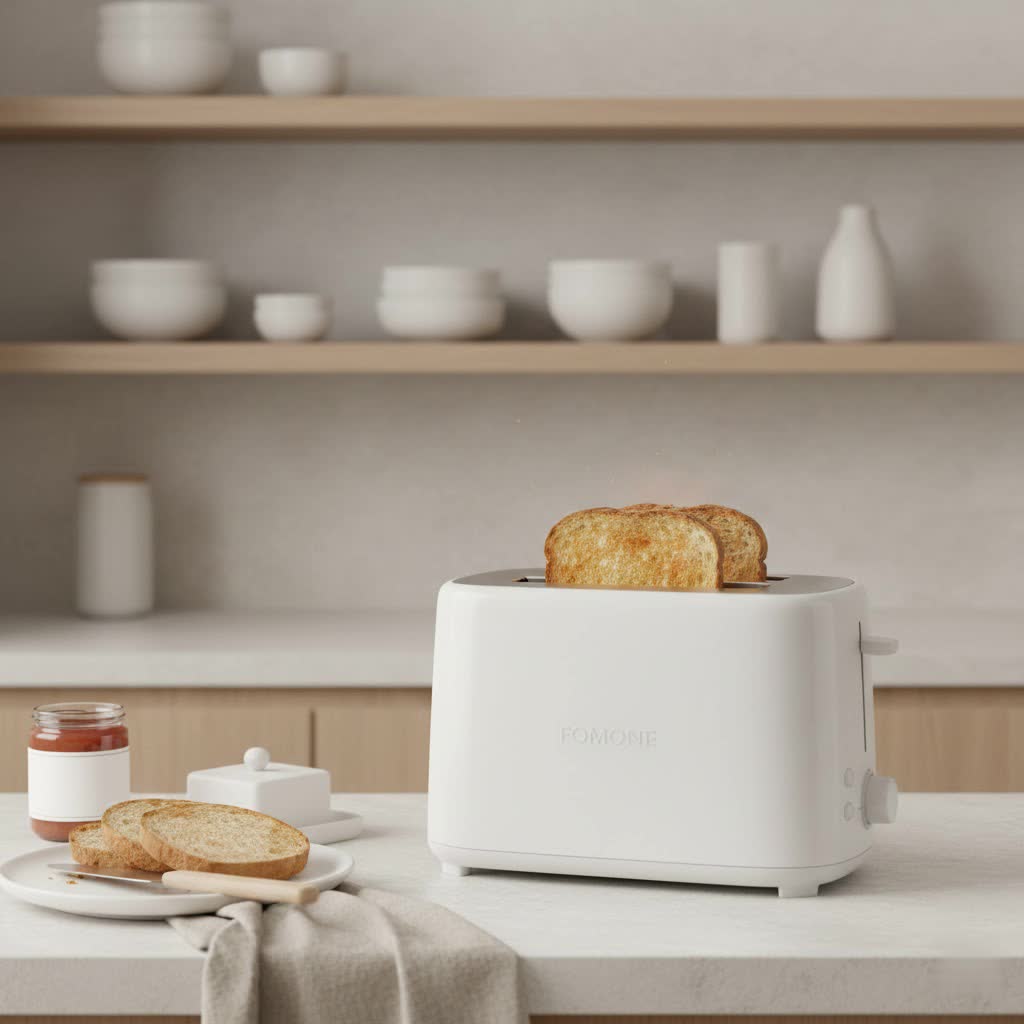
A toaster is a small electric appliance designed to toast bread slices and other sliced food items. Its primary purpose is to quickly brown bread through exposure to radiant heat, enhancing its flavor, texture, and crispness. The development of the electric toaster in the early 20th century revolutionized breakfast routines, moving beyond open flames or stovetop methods. Today, toasters are indispensable kitchen tools, offering a quick and convenient way to prepare breakfast or snacks, from perfectly golden toast to warm bagels and pastries.
Throughout history, toasters have evolved significantly, moving from simple, single-slice designs to advanced models with multiple slots, sophisticated browning controls, and specialized functions. Early toasters often required manual flipping of bread, but modern versions feature automatic pop-up mechanisms and precise settings for consistent results. This continuous innovation ensures that thereasters remain a staple in kitchens worldwide, adapting to diverse culinary needs and preferences.
The market today offers several common types of toasters, each catering to different demands. The most prevalent are slot toasters, which come in 2-slice and 4-slice configurations, ideal for everyday bread, bagels, and frozen waffles. Another popular choice is the toaster oven, a more versatile appliance that can toast, bake, broil, and reheat, making it suitable for a wider range of foods beyond just bread. Conveyor toasters are typically found in commercial settings, designed for high-volume toasting.
Essential Factors to Consider When Buying a Toaster
Choosing the right toaster involves more than just picking the first shiny model you see. Several key factors should influence your decision to ensure the appliance meets your specific needs and provides lasting satisfaction. From the basic type and capacity to special features and design aesthetics, each element plays a role in your daily toasting experience.
Toaster Type
|
Our Picks for the Best Toaster in 2026
As an Amazon Associate I earn from qualifying purchases.
|
||
| Num | Product | Action |
|---|---|---|
| 1 | BLACK+DECKER® 2-Slice Toaster with 7 Toast Shade Settings, Extra-Wide Slots for Bagels, Stainless Steel Exterior Finish |

|
| 2 | Amazon Basics 2 Slice Toaster, Extra Wide Slots for Bagels, 6 Browning Settings, Removable Crumb Tray, Defrost/Cancel/Bagel Buttons, Cord Wrap, 900W, Black & Silver |
|
| 3 | BLACK+DECKER 4-Slice Toaster, Extra Wide Slots, 7 Shade Settings, 1400 Watts, Frozen and Bagel Buttons, Toast Shade Selector, Extra Lift |
|
| 4 | Cuisinart CPT-122BK 2-Slice Compact Plastic Toaster, Slots for Bagels & Bread, 7 Shade Settings, Cancel/Defrost/Reheat Functions, Removable Crumb Tray, Small Kitchen Appliance for Home & Office, Black |
|
| 5 | Elite Gourmet 2-Slice Cool Touch Toaster – 6 Browning Levels, Extra Wide 1.25” Slots for Bagels & Thick Bread, Cancel Function, Compact, ETL Certified, Black |
|
| 6 | Elite Gourmet ECT-1027 Cool Touch Toaster, 7 Toast Settings Cancel Functions, Slide Out Crumb Tray, Extra Wide 1.5" Slots for Bagels Waffles Specialty Breads, Puff Pastry, Snacks, White |
|
| 7 | bella 2 Slice Slim Toaster, Fits-anywhere™ Kitchenware, 6 Setting Shade Control with Reheat & Cancel Buttons, Fits sourdough, 10” Long Slot, Anti Jam & Auto Shutoff, 900 Watt, Oatmilk |
|
| 8 | bella 2 Slice Slim Toaster, Fits-anywhere™ Kitchenware, 6 Setting Shade Control with Reheat & Cancel Buttons, Fits Sourdough, 10” Long Slot, Anti Jam & Auto Shutoff, 900 Watt, Surf |
|
| 9 | Cuisinart 4 Slice Compact Stainless Steel Toaster with Extra-Wide Slots for Bread, French Toast, Bagels & Pastries, Defrost & Reheat Functions, CPT-180P1, Brushed Stainless, Removable Crumb Tray |
|
| 10 | Elite Gourmet ECT-3100 4-Slice Long Slot Toaster | Extra Wide Slots for Bagels, Sourdough & Texas Toast | 6 Browning Settings | Reheat, Defrost & Cancel | Built-In Warming Rack | Stainless Steel |
|
The type of toaster you select largely dictates its functionality and how it fits into your kitchen. Understanding the differences between these types is the first step in making an informed purchase.
Slot Toaster
Slot toasters are the most common and recognizable type, characterized by vertical slots into which bread slices are inserted. These come primarily in 2-slice and 4-slice variations, making them highly efficient for quick toasting. They are generally compact, energy-efficient for their specific task, and designed to brown bread evenly. Slot toasters excel at making perfect toast, bagels, and English muffins, offering precise control over browning levels. They are typically more affordable and take up less counter space than toaster ovens, making them a popular choice for most households focused primarily on toast.
Conveyor Toaster
Conveyor toasters are predominantly found in commercial kitchens, hotels, and buffets due to their high volume and continuous toasting capabilities. Instead of slots, these toasters use a conveyor belt system to move bread through a heating element, providing a constant output of toasted items. They are built for speed and efficiency, capable of handling hundreds of slices per hour. While not typically suitable for home use due to their size, cost, and specialized function, they represent the pinnacle of large-scale toasting technology.
Toaster Oven
A toaster oven offers far more versatility than a standard slot toaster. It functions as a mini-oven, capable of not only toasting bread but also baking small items like cookies, pizzas, and casseroles, as well as broiling and reheating leftovers. These appliances are larger than slot toasters and consume more counter space, but their multi-functional nature makes them a valuable asset for smaller kitchens without a full-sized oven or for individuals seeking a more diverse cooking tool. Toaster ovens often come with various cooking modes, temperature controls, and timers, providing greater culinary flexibility.
Number of Slots
The capacity of your toaster is a critical consideration, directly impacting how efficiently you can prepare toast for your household. The choice between 2-slice and 4-slice models largely depends on your family size and daily toasting habits.
2-Slice Toaster
A 2-slice toaster is the ideal choice for individuals, couples, or those with limited counter space. Its compact footprint makes it easy to store or keep on display without cluttering the kitchen. While it only toasts two slices at a time, it’s perfectly sufficient for small households and offers quick, efficient toasting for a single serving. These models are generally more energy-efficient for small batches and are often more budget-friendly, making them an excellent entry-level option or a secondary toaster for specific needs.
4-Slice Toaster
For larger families, busy households, or anyone who frequently entertains, a 4-slice toaster is an invaluable time-saver. It allows you to toast twice the amount of bread simultaneously, significantly speeding up breakfast preparation during peak hours. Many 4-slice models feature dual independent controls, meaning you can toast two slices at one setting (e.g., light) and two others at a different setting (e.g., dark), catering to varied preferences within the household. While they require more counter space and typically come at a higher price point, the convenience and efficiency they offer can be well worth the investment.
Other Slot Configurations
Beyond the standard 2- and 4-slice options, some specialized toasters offer unique slot configurations. These include long-slot toasters, which feature extra-wide and extra-long slots to accommodate artisanal breads, baguettes, or multiple smaller slices in a single slot. There are also commercial-grade toasters with six or more slots, designed for very high-volume use. These niche options cater to specific culinary demands, allowing greater flexibility for gourmet toast enthusiasts or professional settings.
Size and Design
The physical attributes of a toaster, including its overall dimensions, construction materials, and aesthetic appeal, play a significant role in its integration into your kitchen. A toaster should not only function well but also complement your kitchen’s style.
The overall size of the toaster is a practical consideration, particularly for kitchens with limited counter space. A 2-slice toaster is generally more compact, making it easier to fit into tighter areas or tuck away when not in use. 4-slice models, while offering greater capacity, demand more dedicated counter real estate. It’s crucial to measure your available space before purchasing to ensure a comfortable fit.
The materials and durability of a toaster speak to its longevity and performance. Stainless steel models are popular for their sleek appearance, resistance to rust, and ease of cleaning, often indicating a more robust build. Plastic exteriors can be lighter and come in various colors, but their durability might vary. Look for models with sturdy construction and reliable mechanisms to ensure your toaster withstands daily use.
Design and color are subjective but important for kitchen aesthetics. Toasters come in a vast array of styles, from vintage-inspired chrome finishes to modern matte black or vibrant primary colors. Choosing a design that harmonizes with your existing kitchen appliances and decor can enhance the overall look and feel of your culinary space.
Special Features
Modern toasters come equipped with a variety of specialized functions that enhance convenience and improve the toasting experience. These features can significantly differentiate models and cater to specific needs.
- Reheat Function: This setting gently warms already-toasted bread without further browning it, perfect for when you get distracted and your toast cools down.
- Defrost Function: Designed to thaw and toast frozen bread or waffles in a single cycle, automatically adjusting the toasting time to achieve the desired browning.
- Bagel Function: This specialized setting toasts only the cut side of a bagel while gently warming the outer crust, preventing it from becoming overly crisp or burnt. This ensures a perfectly chewy and slightly crispy bagel.
- Browning Control Dial: Allows you to select your preferred level of crispness, from lightly golden to dark and crunchy. Many models offer a wide range of settings for precise customization.
- Automatic Shut-off: A safety feature that turns off the toaster once the cycle is complete or if the bread gets jammed, preventing overheating and potential hazards.
- Removable Crumb Tray: Essential for easy cleaning, this tray collects crumbs at the bottom of the toaster, preventing them from burning and making maintenance a breeze.
- High-Lift Lever: Extends the toast slots upwards, making it easier and safer to retrieve smaller items like English muffins or small slices of bread without burning your fingers.
Brand and Price
The market for toasters is diverse, with numerous brands offering a wide range of products at various price points. Understanding the landscape of brands and how price correlates with features is crucial for making a smart investment.
Several reputable brands dominate the toaster market, known for their quality, innovation, and reliability. Names like Cuisinart, KitchenAid, Breville, and Smeg often command higher prices due to their advanced features, durable construction, and premium design. More budget-friendly yet reliable options can be found from brands such as Proctor Silex, Black+Decker, and Hamilton Beach, which offer solid performance for everyday use. Choosing a well-known brand often provides peace of mind regarding product support and warranty.
Price comparisons are essential when narrowing down your options. Entry-level 2-slice toasters can be found for as little as $20-$30, offering basic toasting functions. Mid-range models, typically priced between $40-$80, often include features like defrost, bagel settings, and more precise browning controls. High-end and designer toasters, especially 4-slice or toaster oven models with advanced digital controls, can range from $100 to several hundred dollars. Balancing your budget with the desired features and brand reputation will guide you to the best value.
Comparison Table of Popular Toaster Models
| Model Feature | XYZ 2-Slice Compact Toaster | ABC 4-Slice Family Toaster | PQR Toaster Oven Multi-Function |
|---|---|---|---|
| Type | Slot Toaster | Slot Toaster | Toaster Oven |
| Capacity | 2 Slices | 4 Slices | 4 Slices / Small Bake Capacity |
| Dimensions (WxDxH) | 10″ x 6″ x 7″ | 12″ x 11″ x 8″ | 16″ x 10″ x 9″ |
| Material | Stainless Steel/Plastic | Stainless Steel | Stainless Steel |
| Special Features | Defrost, Reheat, Bagel | Dual Controls, Defrost, Reheat, Bagel, High-Lift | Bake, Broil, Toast, Keep Warm, Digital Controls |
| Browning Settings | 6 Levels | 7 Levels | Variable Temperature, 7 Toast Levels |
| Crumb Tray | Yes (Removable) | Yes (Removable) | Yes (Removable) |
| Price Range | $$ | $$$ | $$$$ |
| User Rating | 4.5/5 stars | 4.7/5 stars | 4.3/5 stars |
| Pros | Compact, affordable, good for small households, consistent toasting. | Fast, caters to multiple preferences, durable build, ideal for families. | Highly versatile, replaces multiple appliances, precise cooking. |
| Cons | Limited capacity for larger families, fewer advanced features. | Takes up more counter space, higher initial cost, single-purpose for toast. | Larger footprint, more complex controls, slower toasting than slot toasters. |
The XYZ 2-Slice Compact Toaster stands out for its sleek design and efficient performance in a small footprint. It’s an excellent choice for individuals or couples who prioritize space-saving and consistent toasting for two slices at a time. The included bagel and defrost functions add considerable value for its price.
Conversely, the ABC 4-Slice Family Toaster is a powerhouse for busy mornings. Its dual control panels allow different users to toast bread to their specific liking simultaneously, making it a household favorite. While it demands more counter space, its speed and versatility for larger groups are unmatched within its category.
For those seeking more than just toast, the PQR Toaster Oven Multi-Function offers a robust solution. It serves as a compact oven, capable of handling small baking and broiling tasks in addition to toasting. Its versatility can declutter a kitchen by combining several appliances into one, though it comes with a higher price tag and a slightly longer toasting time compared to dedicated slot toasters.
“When choosing between a 2-slice and 4-slice toaster, always evaluate your average morning rush. A family of four will undoubtedly benefit from the speed of a 4-slice, while a single person might find a 2-slice more energy-efficient and perfectly sufficient.” – Dr. Elara Vance, Home Appliance Engineer and ReviewOrx.com Contributor
How to Use and Maintain Your Toaster Correctly
Proper usage and regular maintenance are crucial for ensuring the longevity and optimal performance of your toaster. Following simple guidelines can prevent common issues and keep your appliance running smoothly for years.
To use your toaster safely and effectively, always ensure it is placed on a stable, heat-resistant surface away from flammable materials. Never insert metal objects into the slots while the toaster is plugged in, as this poses a significant shock hazard. Always unplug the toaster before attempting to retrieve jammed bread. Most toasters operate by simply inserting bread, selecting your desired browning level, and pressing the lever down. Allow the toaster to cool down completely after use before storing or cleaning it.
Cleaning and maintenance are straightforward but vital for hygiene and performance. The most important task is regularly emptying the removable crumb tray. Pull out the tray, discard the crumbs, and wipe it clean with a damp cloth. For the toaster’s exterior, use a soft, damp cloth to wipe away any dust or smudges. Avoid abrasive cleaners or scouring pads, as these can scratch the finish. Never immerse the toaster in water. For stubborn interior crumbs, gently shake the unplugged toaster over a sink to dislodge them. Regular cleaning prevents accumulated crumbs from burning and producing smoke or unpleasant odors.
Common toaster issues often include uneven toasting, bread getting stuck, or the toaster failing to heat. Uneven toasting might be due to a dirty interior or using very thin/thick bread slices; adjusting settings or cleaning can help. If bread gets stuck, unplug the toaster and carefully remove the bread with non-metallic tongs. If your toaster isn’t heating, check the power outlet and ensure the plug is firmly inserted. Persistent issues might indicate a need for professional repair or replacement.
Tips for Choosing the Right Toaster for Your Needs
Selecting the ideal toaster involves a thoughtful assessment of your specific lifestyle, culinary preferences, and household dynamics. By considering a few key aspects, you can confidently choose an appliance that perfectly fits your requirements.
First, identify your usage needs. How many people typically eat toast in your household, and how often? If you live alone or with one other person and rarely toast more than two slices at a time, a 2-slice toaster is likely sufficient and more economical. However, if you have a family of four or more, or frequently host guests, a 4-slice toaster will significantly reduce morning wait times and streamline your breakfast routine. Consider the types of bread you usually toast; if you often enjoy thick-cut artisanal breads or bagels, look for models with wider slots.
Next, set a realistic budget. Toasters range widely in price, from basic models under $30 to premium appliances costing hundreds. Determine how much you are willing to spend, then prioritize the features that are most important to you. Sometimes, paying a little more for a reputable brand or key features like a bagel setting and wider slots can lead to greater satisfaction in the long run. Don’t overspend on features you’ll never use, but also don’t compromise on essential functionalities.
Finally, research products thoroughly and read user reviews. Once you’ve identified the type and features you need, compare different models from various brands. Online reviews provide invaluable insights into a toaster’s real-world performance, durability, and common issues. Pay attention to comments regarding evenness of toasting, ease of cleaning, and the reliability of special functions. Comparing specifications, reading expert opinions, and understanding user experiences will empower you to make an informed purchasing decision. Remember to cross-reference information to ensure you’re getting the most accurate picture of the product.
Conclusion
Choosing between a 2-slice and a 4-slice toaster ultimately boils down to your personal and household needs. Whether you prioritize counter space and efficiency for a small household with a 2-slice model, or crave the speed and capacity of a 4-slice for a bustling family, understanding the distinct advantages of each will guide your decision. Considerations such as specific features like defrost and bagel settings, the toaster’s overall design, and your budget also play crucial roles in finding your ideal appliance. A well-chosen toaster can elevate your daily routine, providing consistent, perfectly golden toast whenever you desire.
The world of toasters offers something for everyone, from the simplest, most compact designs to multi-functional toaster ovens. Taking the time to evaluate your usage patterns and prioritize features will ensure you bring home an appliance that not only meets your expectations but exceeds them. So, are you ready to upgrade your breakfast game and enjoy consistently perfect toast?
Frequently Asked Questions
What are the main benefits of a 4-slice toaster over a 2-slice model?
A 4-slice toaster offers double the capacity, significantly speeding up breakfast preparation for larger families or when entertaining. Many also feature independent controls for each pair of slots, allowing different browning settings simultaneously, which is ideal for varied preferences.
Do 4-slice toasters use more electricity than 2-slice toasters?
Generally, yes, a 4-slice toaster will have a higher wattage and consume more electricity when all four slots are in use. However, for toasting just two slices, some models allow you to use only two slots, making their energy consumption comparable to a 2-slice toaster for smaller tasks.
Can I toast bagels in any toaster, or do I need a special setting?
While most modern toasters can accommodate bagels due to wider slots, a dedicated “bagel” function is highly beneficial. This setting typically toasts only the cut side, preventing the outer crust from becoming too hard or burnt, resulting in a perfectly soft yet crispy bagel.
How often should I clean my toaster’s crumb tray?
It is recommended to clean your toaster’s crumb tray at least once a week, or more frequently if you use your toaster daily. Accumulate crumbs can burn, creating smoke and unpleasant odors, and pose a fire hazard if not regularly removed.
What’s the average lifespan of a good quality toaster?
The lifespan of a toaster can vary significantly based on brand quality, usage frequency, and maintenance. A good quality toaster, properly maintained, can typically last anywhere from 5 to 10 years. Investing in a reputable brand often correlates with greater durability.