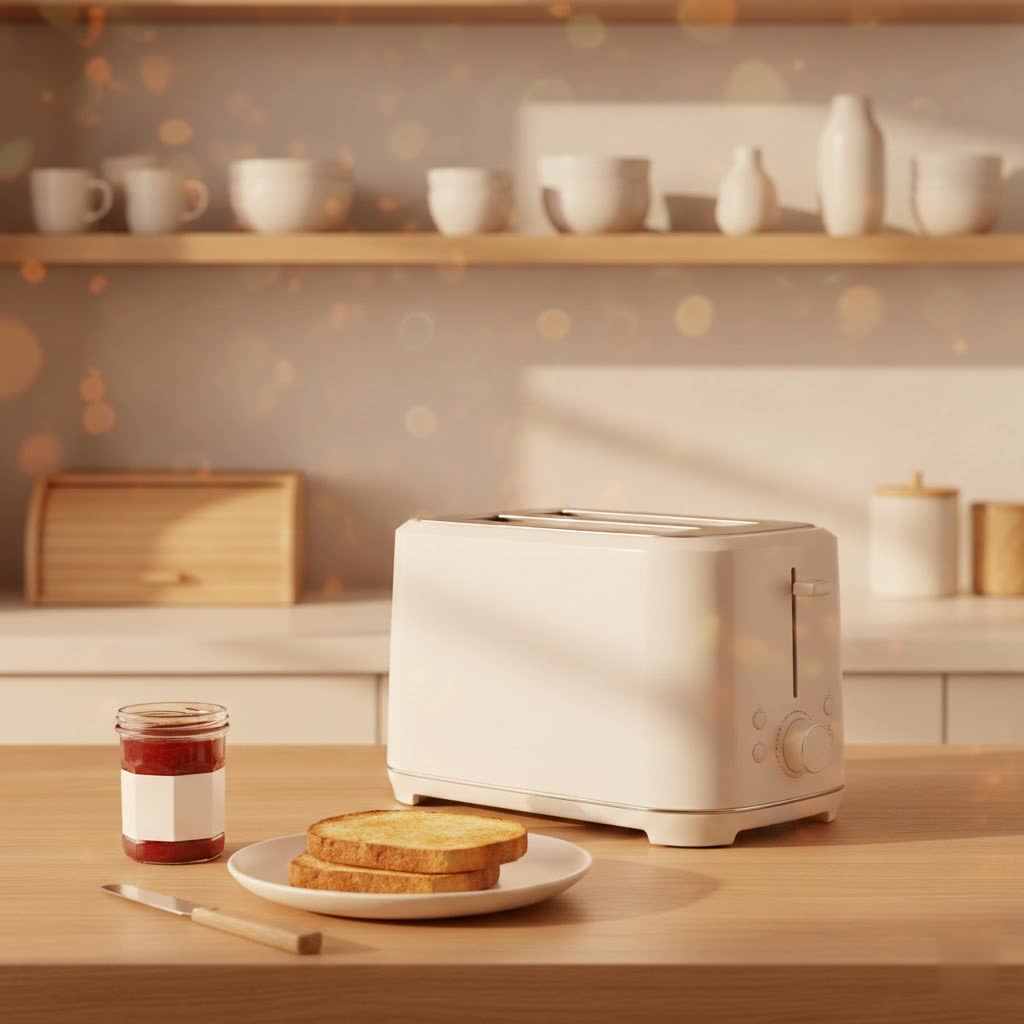
The early hours of any commercial kitchen, be it a bustling hotel breakfast buffet, a vibrant cafe, or a fast-paced restaurant, demand equipment that can keep up with relentless pace. In this high-volume environment, the humble toaster transforms into a critical piece of machinery. Choosing the best reliable toaster for busy morning commercial usage isn’t just about making toast; it’s about ensuring efficiency, consistency, and customer satisfaction during peak service hours. A robust commercial toaster is an investment that pays dividends in streamlined operations and perfectly toasted products, day in and day out.
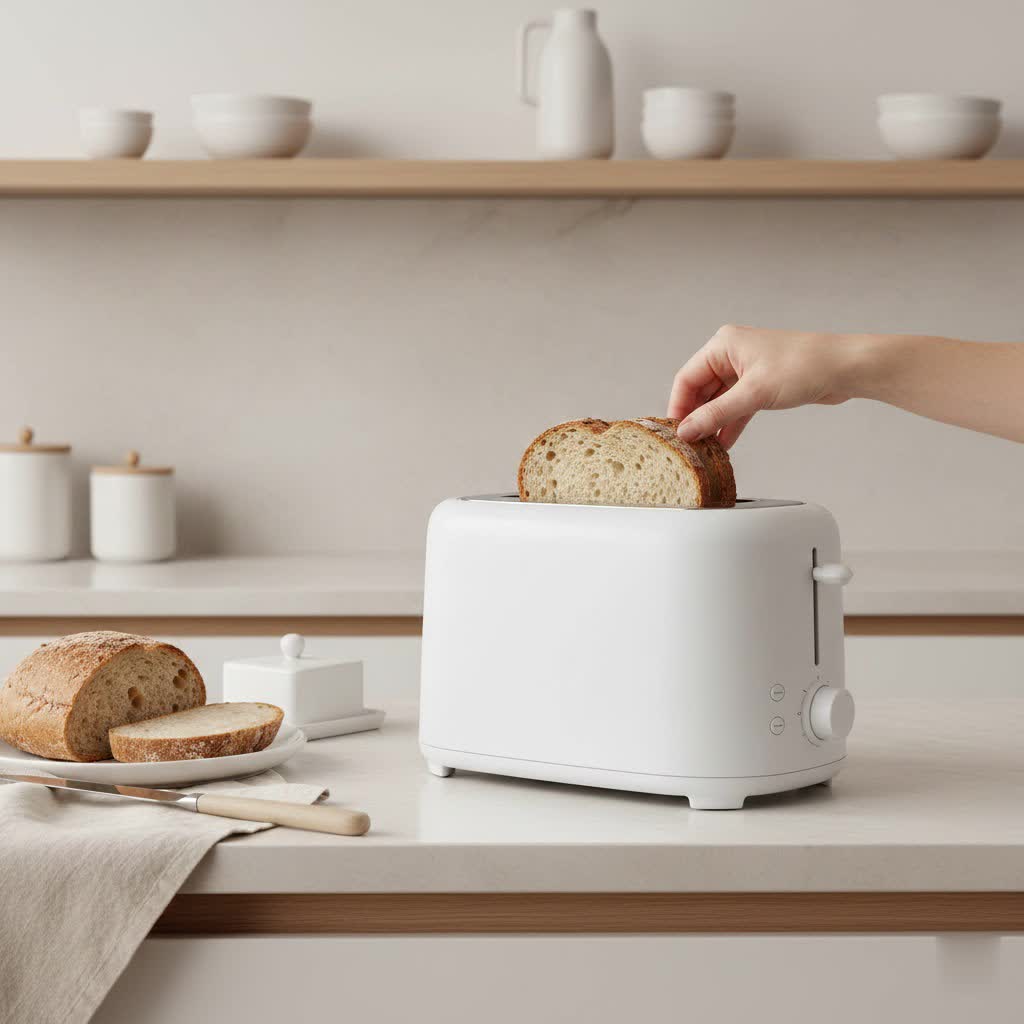
This guide delves deep into the world of commercial toasters, exploring their types, essential features, top models, and critical buying considerations. By the end, you’ll be equipped to select a toaster that stands up to the rigors of your busy mornings, delivering consistent, high-quality results every time.
What is a Commercial Toaster and Why Do You Need One?
A commercial toaster is an industrial-grade appliance engineered for high-volume, continuous toasting in professional food service settings. Unlike their residential counterparts, these machines are built for endurance, speed, and consistency, capable of handling hundreds or even thousands of slices per hour without faltering. Their primary function is to rapidly and uniformly toast various bread products, from standard slices to bagels and buns, meeting the demands of a busy kitchen during rush periods.
The need for a dedicated commercial toaster stems directly from the operational realities of businesses like hotels, cafes, and restaurants. Domestic toasters simply aren’t designed to withstand the frequent, heavy use required in such environments, quickly breaking down under pressure and leading to costly delays and inconsistent food quality. Investing in a commercial toaster ensures reliability, minimizes downtime, and guarantees that every slice meets your high standards.
Pop-Up (Slot) Toasters
|
Our Picks for the Best Toaster in 2026
As an Amazon Associate I earn from qualifying purchases.
|
||
| Num | Product | Action |
|---|---|---|
| 1 | Cuisinart CPT-122BK 2-Slice Compact Plastic Toaster, Slots for Bagels & Bread, 7 Shade Settings, Cancel/Defrost/Reheat Functions, Removable Crumb Tray, Small Kitchen Appliance for Home & Office, Black |

|
| 2 | Elite Gourmet ECT-3100 4-Slice Long Slot Toaster | Extra Wide Slots for Bagels, Sourdough & Texas Toast | 6 Browning Settings | Reheat, Defrost & Cancel | Built-In Warming Rack | Stainless Steel |
|
| 3 | Elite Gourmet ECT-1027 Cool Touch Toaster, 7 Toast Settings Cancel Functions, Slide Out Crumb Tray, Extra Wide 1.5" Slots for Bagels Waffles Specialty Breads, Puff Pastry, Snacks, White |
|
| 4 | BLACK+DECKER® 2-Slice Toaster with 7 Toast Shade Settings, Extra-Wide Slots for Bagels, Stainless Steel Exterior Finish |
|
| 5 | Cuisinart 4 Slice Compact Stainless Steel Toaster with Extra-Wide Slots for Bread, French Toast, Bagels & Pastries, Defrost & Reheat Functions, CPT-180P1, Brushed Stainless, Removable Crumb Tray |
|
| 6 | Amazon Basics 2 Slice Toaster, Extra Wide Slots for Bagels, 6 Browning Settings, Removable Crumb Tray, Defrost/Cancel/Bagel Buttons, Cord Wrap, 900W, Black & Silver |
|
| 7 | Elite Gourmet 2-Slice Cool Touch Toaster – 6 Browning Levels, Extra Wide 1.25” Slots for Bagels & Thick Bread, Cancel Function, Compact, ETL Certified, Black |
|
| 8 | bella 2 Slice Slim Toaster, Fits-anywhere™ Kitchenware, 6 Setting Shade Control with Reheat & Cancel Buttons, Fits sourdough, 10” Long Slot, Anti Jam & Auto Shutoff, 900 Watt, Oatmilk |
|
| 9 | bella 2 Slice Slim Toaster, Fits-anywhere™ Kitchenware, 6 Setting Shade Control with Reheat & Cancel Buttons, Fits Sourdough, 10” Long Slot, Anti Jam & Auto Shutoff, 900 Watt, Surf |
|
| 10 | BLACK+DECKER 4-Slice Toaster, Extra Wide Slots, 7 Shade Settings, 1400 Watts, Frozen and Bagel Buttons, Toast Shade Selector, Extra Lift |
|
Pop-up, or slot, toasters are the most recognizable type, functioning similarly to home models but built with commercial-grade durability. They feature individual slots into which bread slices are inserted, typically activated by a lever that lowers the bread into the heating elements. Once toasting is complete, a spring mechanism automatically “pops up” the finished product.
These toasters are best suited for low to medium-volume operations, such as smaller cafes, bed and breakfasts, or self-service continental breakfast stations. They offer a compact footprint and are generally more cost-effective than other commercial types. While some heavy-duty pop-up models can toast up to 300 slices per hour, their manual loading and unloading process makes them less ideal for extremely high-throughput environments.
Conveyor Toasters
Conveyor toasters are the workhorses of high-volume breakfast services. These machines feature a continuous conveyor belt that slowly transports bread slices through a heating chamber, ensuring consistent toasting as they move from one end to the other. Their design allows for a continuous workflow, making them ideal for rapid production without constant manual intervention.
Primarily used in high-volume settings like large hotels, buffets, cafeterias, and institutional kitchens, conveyor toasters can produce anywhere from 300 to over 2,000 slices per hour. They are celebrated for their exceptional capacity, speed, and consistent browning across large batches. However, they typically require more counter space and represent a higher initial investment compared to pop-up models.
Vertical Contact (Bun) Toasters
Vertical contact toasters are a specialized category designed specifically for rapidly toasting buns and bagels. These units typically feature a slot where items are inserted, moving them between two heated plates that toast both sides simultaneously. This direct contact method ensures extremely fast toasting, often in mere seconds.
These toasters are indispensable in fast-food restaurants, burger joints, and sandwich shops where quick preparation of buns is critical to service speed. While incredibly efficient for their intended purpose, vertical contact toasters offer limited versatility for toasting regular bread slices or other diverse items.
Key Factors When Choosing a Commercial Toaster
Selecting the right commercial toaster requires careful consideration of several factors to ensure it perfectly aligns with your operational needs and budget.
Toaster Type and Capacity
The most crucial decision involves matching the toaster type and its “slices per hour” (SPH) capacity to your business’s typical volume. A small cafe might thrive with a heavy-duty pop-up toaster, while a large hotel buffet will undoubtedly require a high-capacity conveyor model. Over-specifying can lead to unnecessary costs, while under-specifying will cause bottlenecks and customer dissatisfaction during peak times. Assess your average and peak morning toast demand accurately.
Size and Footprint
Commercial kitchens often operate with limited counter space. Carefully measure the available area for your new toaster, considering both its operational dimensions and any necessary clearance for ventilation. Conveyor toasters, while efficient, tend to have a larger footprint than multi-slot pop-up models. Compact designs can be a significant advantage in tight spaces.
Durability and Build Materials
Reliability in a commercial setting means the toaster must withstand constant use and potential abuse. Look for models constructed from robust materials like stainless steel, which offers excellent durability, corrosion resistance, and is easy to clean. Heavy-duty components throughout the machine contribute to a longer lifespan and consistent performance, reducing the need for frequent repairs or replacements.
Special Features and Controls
Modern commercial toasters come equipped with a range of features designed to enhance performance and versatility:
- Adjustable Browning Controls: Crucial for achieving consistent toast levels across different bread types and catering to customer preferences. Electronic controls often offer greater precision.
- Bagel/Bun Settings: Toasts only one side (the cut side) of bagels or buns, leaving the exterior soft.
- Defrost and Reheat Functions: Useful for frozen bread products or warming previously toasted items.
- Automatic Shut-off: A safety feature that turns off the toaster after a set period of inactivity, conserving energy and preventing overheating.
- Self-Centering Racks: Ensure even toasting by automatically positioning bread in the center of the slots in pop-up models.
- Cool-Touch Exteriors: Prevents accidental burns, enhancing safety for staff and customers at self-service stations.
- Quartz Heaters: Often found in high-end conveyor models, these provide consistent radiant heat for uniform browning.
Power Requirements
Commercial toasters draw significant power. It’s essential to check the voltage (commonly 120V, 208V, or 240V) and wattage requirements of any prospective model and ensure they are compatible with your kitchen’s existing electrical infrastructure. Some high-capacity units may require dedicated circuits.
Ease of Cleaning and Maintenance
In a busy commercial environment, quick and easy cleaning is paramount for hygiene and efficiency. Look for features like removable crumb trays, which are indispensable for quick daily cleanup and preventing fire hazards. Models with easy-to-access interiors and smooth, wipeable surfaces simplify maintenance routines. Conveyor belts that are accessible for cleaning also contribute to better hygiene.
Brand Reputation and Price
Reputable commercial kitchen equipment brands like Waring, Hatco, Star Manufacturing, Vollrath, Toastmaster, and Avantco are known for producing durable and reliable toasters. While their products may have a higher initial price point, their longevity and performance often translate to better long-term value and lower operational costs. Consider the investment as a contributor to your overall operational efficiency and guest satisfaction.
Top Commercial Toaster Models for Busy Mornings
Here’s a comparison of some highly-rated commercial toasters suitable for various commercial needs:
| Model | Type | Slices/Hour (Approx.) | Key Features | Pros | Cons |
|---|---|---|---|---|---|
| Waring WCT708 | Pop-Up (4-Slot) | 225 | Medium-duty, 1.375″ extra-wide slots, electronic browning controls, brushed stainless steel | Dependable, compact, good for moderate volume, consistent browning with separate controls per slot. | Some reports of uneven toasting, may not handle extremely thick bread consistently. |
| Waring WCT800RC | Pop-Up (4-Slot) | 300 | Heavy-duty, 1.125″ slots, rotary browning controls, commercial stainless build | Higher output for pop-up category, robust for heavy daily use, consistent results. | Slots may be narrower for certain artisan breads. |
| Hatco TPT-120 | Pop-Up (4-Slot) | 120-150 | Premium feel, consistent results, often chosen for reliability over cost. | Exceptionally reliable, repeatable browning, high-quality construction. | Lower capacity than other commercial pop-ups, higher price. |
| Star QCS1-350 | Conveyor | 350 | Horizontal conveyor, 1.5″ product opening, quartz heaters, compact. | Efficient for moderate-to-high volume, consistent toasting, energy-saving standby mode. | Belt speed adjustments can be finicky for new users. |
| Waring CTS1000B | Conveyor | 1000+ | Heavy-duty, 2″ slots, cool-touch exterior, switchable bread/bagel toasting. | Extremely high capacity, durable, versatile for different bread types, safe for user. | Significant counter space required, higher power consumption. |
| Avantco T3300B | Conveyor | 800 | 10″ wide conveyor belt, 3″ opening, high output, multiple wattage options. | Cost-effective for high volume, versatile opening for various items, built for continuous use. | May require specific voltage (e.g., 208V), can get very hot around output. |
Proper Usage and Maintenance for Longevity
To ensure your commercial toaster delivers reliable performance for years, proper usage and diligent maintenance are key:
- Read the Manual: Always follow the manufacturer’s specific guidelines for operation, cleaning, and maintenance.
- Placement and Ventilation: Position the toaster on a stable, heat-resistant surface with adequate clearance for ventilation. Commercial toasters, especially conveyor models, can generate significant heat.
- Regular Cleaning:
- Daily: Empty and clean crumb trays at the end of each shift or workday. Crumbs are a fire hazard and can affect performance. Wipe down exterior surfaces with a damp cloth and mild detergent.
- Weekly/Monthly: Depending on usage, perform a deeper clean. For conveyor toasters, check the belt and heating elements for accumulated debris and clean according to the manual. Ensure the unit is unplugged and cool before any deep cleaning.
- Avoid Overloading: Do not force oversized bread items into slots or overload conveyor belts, as this can damage components and lead to uneven toasting.
- Monitor Performance: Pay attention to any changes in toasting consistency or unusual noises. Addressing minor issues promptly can prevent major breakdowns.
- Professional Servicing: Schedule periodic professional maintenance to inspect heating elements, belts, and electrical connections, ensuring optimal and safe operation.
“A well-maintained commercial toaster isn’t just a piece of equipment; it’s a silent partner in your morning rush, ensuring every customer gets that perfect golden slice without a hitch.”
Tips for Choosing the Right Toaster for Your Needs
Making the final decision can feel overwhelming with the array of options available. Here are some actionable tips to guide your choice:
- Accurately Assess Your Volume: Be realistic about how many slices you need to toast per hour during your busiest periods. This is the primary driver for choosing between a heavy-duty pop-up and a high-capacity conveyor toaster.
- Consider Your Menu: If you primarily serve standard toast, a basic model might suffice. If bagels, thick artisan breads, or burger buns are staples, ensure the toaster has appropriately wide slots, bagel settings, or is a dedicated bun toaster.
- Define Your Budget: While a higher initial investment might seem daunting, consider the long-term return on investment (ROI) from increased efficiency, reduced downtime, and consistent quality. A cheaper, less reliable model can cost more in repairs and lost productivity.
- Research Brands and Reviews: Stick to reputable commercial equipment brands. Read current user reviews for specific models to gauge real-world performance, durability, and common issues. Check for certifications like UL or NSF, which indicate safety and sanitation compliance.
- Evaluate Space and Utilities: Confirm you have adequate counter space and the correct electrical outlets (voltage and amperage) to support the toaster you plan to purchase. Don’t forget ventilation requirements.
- Prioritize Ease of Use and Cleaning: In a fast-paced environment, simple controls and easy-to-clean designs save valuable time and reduce staff training efforts.
Conclusion
Choosing the best reliable toaster for your busy commercial kitchen is a pivotal decision that directly impacts your morning operations and customer satisfaction. By understanding the distinct advantages of pop-up, conveyor, and vertical contact toasters, and carefully evaluating factors like capacity, durability, features, and ease of maintenance, you can make an informed choice. Investing in a robust, high-performance toaster from a reputable brand ensures that your establishment can consistently deliver perfectly golden, crispy toast, even during the most frantic morning rushes. A reliable toaster isn’t just about cooking bread; it’s about upholding your business’s reputation for quality and efficiency.
What strategies do you currently employ to keep your morning service running smoothly?
Frequently Asked Questions
What is the primary difference between a commercial and a home toaster?
Commercial toasters are engineered for continuous, high-volume use, featuring more durable construction, higher wattage, and greater capacity (hundreds of slices per hour) compared to home toasters, which are designed for intermittent, low-volume personal use.
How many slices per hour can a commercial toaster typically make?
Commercial toaster capacity varies significantly by type: heavy-duty pop-up toasters can produce around 200-300 slices per hour, while conveyor toasters range from 300 to over 2,000 slices per hour, depending on the model and settings.
Are conveyor toasters difficult to clean?
While more complex than pop-up toasters, many modern conveyor toasters are designed for easier cleaning with features like removable crumb trays and accessible heating elements. Regular cleaning, following manufacturer guidelines, is essential for hygiene and performance.
Can I toast bagels in a regular commercial pop-up toaster?
Many commercial pop-up toasters feature extra-wide slots specifically designed to accommodate bagels and thicker bread slices. Some also include a “bagel” setting that toasts only the cut side, preventing the crust from becoming overly crisp.
What voltage do commercial toasters typically use?
Commercial toasters commonly operate on higher voltages than residential models. While some light-duty commercial units may use 120V, many medium- to heavy-duty and high-capacity conveyor toasters require 208V or 240V to meet their power demands.