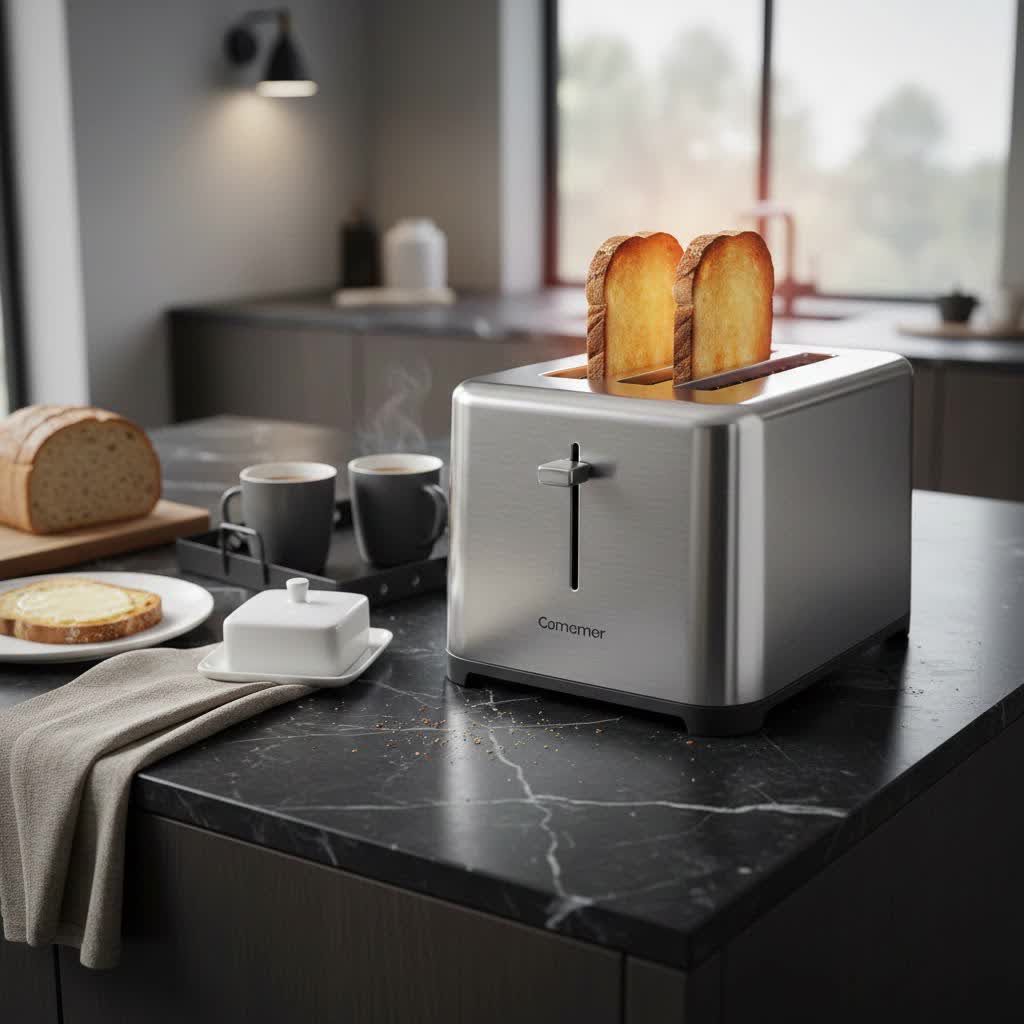
Is your new toaster already acting up, browning unevenly, or worse, starting to smoke? It’s a frustrating experience to have a kitchen appliance fail prematurely, especially when you expect it to last for years. While toasters are designed for daily use, many common habits can significantly shorten their lifespan, turning a dependable kitchen companion into a short-lived disappointment. Understanding and avoiding these pitfalls is key to keeping your toaster in top condition, ensuring perfect toast every time, and preventing the need for an early replacement. This article will guide you through the most frequent errors that damage toasters, offering practical advice to help your appliance not just survive, but thrive for years to come.
What is a Toaster and Why Do You Need One?
A toaster is a small kitchen appliance primarily designed to brown slices of bread or other similar food items by exposing them to radiant heat, transforming them into toast. Its basic utility is undeniable, providing a quick and convenient way to prepare breakfast, snacks, or a crunchy base for numerous meals. From the simple pop-up models to more advanced toaster ovens, these devices have evolved significantly since their inception, yet their core function remains the same: to deliver perfectly crisp bread with minimal fuss.
The history of the toaster dates back to the early 20th century, with the first electric toaster invented around 1909. These early models were rudimentary compared to today’s versions, but they laid the groundwork for a kitchen staple. Over the decades, innovations introduced features like automatic pop-up mechanisms, adjustable browning controls, and wider slots, making toasters safer and more versatile. Today, the market offers various types:
- Slot Toasters: The most common variety, featuring vertical slots for bread. These are ideal for quick, consistent browning of bread, bagels, and frozen waffles.
- Conveyor Toasters: Primarily found in commercial settings, these toasters use a conveyor belt to move food through a heating element, allowing for high-volume toasting.
- Toaster Ovens: More versatile than traditional slot toasters, these appliances resemble miniature ovens and can toast, bake, broil, and even roast small dishes. They are excellent for bagels, pastries, frozen pizzas, and reheating leftovers.
Each type serves a unique purpose, but all are susceptible to damage if not used and maintained correctly.
Essential Factors to Consider When Buying a Toaster
Choosing the right toaster involves more than just picking a sleek design. To ensure your new appliance meets your needs and stands the test of time, consider these crucial factors.
Toaster Type
The type of toaster you choose heavily depends on your lifestyle and cooking habits:
- Slot Toaster: Perfect for households that primarily toast bread, bagels, and frozen items. They offer speed and consistent browning.
- Conveyor Toaster: Not typically for home use, these are best for commercial kitchens that require continuous toasting.
- Toaster Oven: An excellent multi-functional choice for those who want to do more than just toast. It saves counter space by combining several appliance functions.
|
Our Picks for the Best Toaster in 2026
As an Amazon Associate I earn from qualifying purchases.
|
||
| Num | Product | Action |
|---|---|---|
| 1 | BLACK+DECKER® 2-Slice Toaster with 7 Toast Shade Settings, Extra-Wide Slots for Bagels, Stainless Steel Exterior Finish |

|
| 2 | Elite Gourmet 2-Slice Cool Touch Toaster – 6 Browning Levels, Extra Wide 1.25” Slots for Bagels & Thick Bread, Cancel Function, Compact, ETL Certified, Black |
|
| 3 | bella 2 Slice Slim Toaster, Fits-anywhere™ Kitchenware, 6 Setting Shade Control with Reheat & Cancel Buttons, Fits Sourdough, 10” Long Slot, Anti Jam & Auto Shutoff, 900 Watt, Surf |
|
| 4 | Amazon Basics 2 Slice Toaster, Extra Wide Slots for Bagels, 6 Browning Settings, Removable Crumb Tray, Defrost/Cancel/Bagel Buttons, Cord Wrap, 900W, Black & Silver |
|
| 5 | BLACK+DECKER 4-Slice Toaster, Extra Wide Slots, 7 Shade Settings, 1400 Watts, Frozen and Bagel Buttons, Toast Shade Selector, Extra Lift |
|
| 6 | Cuisinart CPT-122BK 2-Slice Compact Plastic Toaster, Slots for Bagels & Bread, 7 Shade Settings, Cancel/Defrost/Reheat Functions, Removable Crumb Tray, Small Kitchen Appliance for Home & Office, Black |
|
| 7 | Cuisinart 4 Slice Compact Stainless Steel Toaster with Extra-Wide Slots for Bread, French Toast, Bagels & Pastries, Defrost & Reheat Functions, CPT-180P1, Brushed Stainless, Removable Crumb Tray |
|
| 8 | Elite Gourmet ECT-1027 Cool Touch Toaster, 7 Toast Settings Cancel Functions, Slide Out Crumb Tray, Extra Wide 1.5" Slots for Bagels Waffles Specialty Breads, Puff Pastry, Snacks, White |
|
| 9 | bella 2 Slice Slim Toaster, Fits-anywhere™ Kitchenware, 6 Setting Shade Control with Reheat & Cancel Buttons, Fits sourdough, 10” Long Slot, Anti Jam & Auto Shutoff, 900 Watt, Oatmilk |
|
| 10 | Elite Gourmet ECT-3100 4-Slice Long Slot Toaster | Extra Wide Slots for Bagels, Sourdough & Texas Toast | 6 Browning Settings | Reheat, Defrost & Cancel | Built-In Warming Rack | Stainless Steel |
|
Number of Slots
The number of slots impacts convenience, especially in busy households:
- 2-Slot Toasters: Ideal for individuals or couples. Compact and sufficient for light use.
- 4-Slot Toasters: Best for families or those who frequently toast multiple items. Many 4-slot models offer independent controls for each pair of slots, adding flexibility.
- Other Types: Some specialized toasters feature extra-long slots for artisanal bread or single wide slots for unique items.
Size and Design
The toaster’s footprint and aesthetic appeal can be important:
- Overall Size: Measure your counter space to ensure the toaster fits comfortably, leaving adequate ventilation space around it.
- Material and Durability: Stainless steel and brushed chrome models often offer greater durability and are easier to clean than plastic alternatives. Look for sturdy construction.
- Design and Color: Modern toasters come in a variety of styles and colors to match your kitchen decor. While aesthetics are important, prioritize functionality and safety.
Special Features
Many toasters offer features that enhance convenience and performance:
- Reheat Function: Warms toast without further browning.
- Defrost Function: Thaws frozen bread before toasting it to perfection.
- Bagel Function: Toasts only one side of a bagel for a crispy cut side and a soft crust.
- Browning Settings: Allows precise control over toast shade, from light to dark.
- Automatic Shut-off: A safety feature that turns off the toaster when toasting is complete or if an item gets jammed.
- Crumb Tray: A removable tray at the bottom that collects crumbs, making cleaning easier and reducing fire hazards.
Brand and Price
Reputable brands often indicate better quality and customer support. While a higher price doesn’t always guarantee superior performance, extremely cheap models might compromise on durability and safety. Compare features, read reviews, and set a budget. Investing a little more in a well-regarded brand can save you money in the long run by extending your toaster’s lifespan.
Common Mistakes That Ruin Your New Toaster Within a Year
Even the simplest appliances can fall victim to improper use and neglect. Many common habits can significantly reduce your toaster’s lifespan, leading to premature failure.
Neglecting Crumb Tray Cleaning
One of the most frequent and dangerous mistakes is failing to regularly clean the crumb tray. Crumbs accumulate quickly and, if left unchecked, can ignite due to the toaster’s heating elements, posing a serious fire hazard. Many users overlook this simple maintenance step, allowing crumbs to build up to dangerous levels.
“The crumb tray isn’t just for tidiness; it’s a critical safety feature. Neglecting it is a surefire way to invite trouble, from smoky kitchens to potential fires.” – Admin of ReviewOrx.com, Toaster Technician
To prevent this, empty the crumb tray at least weekly, or even after every few uses if you toast frequently. Always unplug the toaster and let it cool completely before cleaning.
Using Metal Utensils to Dislodge Stuck Items
It’s tempting to reach for a knife or fork when a piece of toast gets stuck. However, inserting metal objects into a plugged-in toaster is extremely dangerous and can lead to electric shock or damage to the heating elements. Metal conducts electricity, and contact with live elements can cause a hazardous short circuit.
If an item is stuck, first, unplug the toaster from the wall socket. Once cooled and unplugged, you can carefully use non-metallic tongs (wooden or plastic) to gently retrieve the item. Avoid touching the heating elements directly, even with non-metal tools, as they are fragile.
Forcing Oversized or Gooey Items into Slots
Toasters are designed for specific types of bread and pastries. Trying to force overly thick slices of bread, large bagels, or items covered in cheese, jam, or butter into the slots can cause several problems. Oversized items can jam the mechanism or prevent even browning. Gooey or fatty foods, such as grilled cheese sandwiches or pastries with icing, can melt, drip onto the heating elements, and create a sticky mess that is difficult to clean and can lead to smoke or fire.
Always ensure that food fits comfortably into the slots. If you regularly toast thicker items, consider a toaster with wider slots or a toaster oven designed for more versatile cooking.
Ignoring Browning Settings and Special Functions
Many users set their toaster to one default browning level and never adjust it, regardless of what they are toasting. Different types of bread, from delicate white bread to dense whole wheat or bagels, require varying toasting times. Using the same setting for everything often results in burnt toast or undercooked items, indicating inefficiency and potential stress on the heating elements.
Experiment with your toaster’s settings. Utilize functions like “defrost” for frozen items and “bagel” for perfectly toasted bagel halves. Understanding and using these features correctly ensures optimal results and helps preserve your toaster’s functionality.
Cleaning with Water or Harsh Chemicals
Toasters are electrical appliances, and water is a conductor. Attempting to clean the interior of a toaster with water or submerging it can cause severe electrical damage and create a shock hazard. Similarly, using abrasive cleaners, steel wool, or harsh chemicals on the exterior can scratch finishes, corrode components, and reduce the toaster’s aesthetic appeal and structural integrity.
Always unplug and cool your toaster before cleaning. For the interior, gently shake out loose crumbs and use a soft, dry brush (like a pastry brush) to dislodge stubborn particles. Wipe the exterior with a damp cloth and mild soap, then dry thoroughly. Never spray cleaning solutions directly into the toaster.
Toasted Back-to-Back Without Adjustment
Toasters retain heat, especially after consecutive uses. If you toast multiple batches back-to-back without adjusting the browning setting, subsequent batches will likely come out darker or burnt due to the residual heat within the appliance. This constant overheating can stress the heating elements and internal components over time.
For subsequent batches, consider lowering the browning setting slightly to account for the toaster’s already warm interior. This small adjustment can prevent over-toasting and extend the life of your appliance.
Shoving Too Much Food in and Overloading
While similar to forcing oversized items, overloading specifically refers to jamming multiple small pieces into a single slot or filling a toaster oven beyond its recommended capacity. This can lead to uneven cooking, trapped food, and increased strain on the heating elements. In slot toasters, overcrowding can prevent the bread carriage from moving freely.
Always follow the manufacturer’s guidelines for capacity. For slot toasters, use one slice per slot, or ensure items fit without jamming. In toaster ovens, leave space for air circulation for even cooking.
Best Practices for Toaster Longevity
Extending the life of your toaster involves more than just avoiding mistakes; it also means adopting smart usage and maintenance habits.
Regular Cleaning and Maintenance Schedule
- Empty Crumb Tray: Aim to empty the crumb tray after every few uses, or at least weekly for daily users. This is crucial for fire prevention and consistent performance.
- Interior Cleaning: Once a month, unplug and cool the toaster, then gently shake it upside down over a trash can to dislodge crumbs. Use a soft-bristled brush (like a pastry brush or an old, clean toothbrush) to carefully sweep out any remaining crumbs from inside the slots, avoiding the heating elements.
- Exterior Cleaning: Wipe down the exterior weekly with a damp, soft cloth and a drop of mild dish soap to remove grease and fingerprints. Dry immediately with a clean, soft cloth. For stainless steel finishes, use a specialized stainless steel cleaner for a streak-free shine.
Proper Placement and Storage
- Ventilation: Always place your toaster on a flat, heat-resistant surface, ensuring adequate space (at least 3-6 inches) around it for proper ventilation. Keep it away from walls, curtains, and other flammable materials.
- Unplug When Not in Use: Unplugging your toaster when it’s not in use is a good safety practice and can save a tiny bit of energy.
- Cover or Store: If you don’t use your toaster daily, consider covering it with a dust cover or storing it in a cupboard to prevent dust and debris from accumulating inside, which can lead to burning smells during operation.
Understanding and Utilizing Features
- Read the Manual: Take a few minutes to read your toaster’s instruction manual. It provides specific guidelines for your model, including recommended settings and cleaning procedures.
- Adjust Settings: Don’t be afraid to experiment with different browning settings for various types of bread and preferences. Utilize special functions like defrost, bagel, and reheat to optimize results and prevent premature wear.
- Use Toaster-Safe Accessories: If you need to retrieve a stuck item, ensure the toaster is unplugged and cooled, then use non-metallic tongs designed for toaster use.
Avoiding Non-Toaster Items
- No Metal: Never insert metal utensils into a plugged-in toaster.
- No Gooey or Fatty Foods: Avoid toasting items that can melt and drip, such as cheese, jam, or heavily buttered bread, in a standard slot toaster. These are better suited for a toaster oven or traditional oven.
- No Plastics or Foil: Do not put plastic wrap, aluminum foil, or any non-food items into the toaster. Plastics will melt and create toxic fumes, while foil can cause electrical shorts.
- No Raw Meats/Eggs: Toasters are not designed to cook raw meats or eggs. The fat can drip and cause electrical sparks or fires.
Inspecting Your Toaster Regularly
Periodically check your toaster for any signs of wear and tear. Look for:
- Frayed Cords: A damaged power cord is a fire and shock hazard. If the cord is frayed, replace the toaster.
- Loose Knobs or Levers: Ensure all controls are functioning correctly.
- Damaged Heating Elements: Visually inspect the heating elements for any broken wires or significant discoloration. Any damage can lead to uneven toasting or safety issues.
Promptly addressing these issues can prevent further damage and ensure safe operation.
Table Comparing Toaster Lifespan Factors
| Factor | Impact on Toaster Lifespan | Explanation |
|---|---|---|
| Crumb Tray Cleaning | High (Positive) | Regular cleaning prevents fire hazards and ensures consistent heating. |
| Using Metal Utensils | High (Negative) | Risk of electric shock and damage to heating elements. |
| Oversized/Gooey Foods | High (Negative) | Causes jams, messy drips, and potential fire hazards. |
| Setting Adjustment | Medium (Positive) | Proper settings reduce overheating and stress on elements. |
| Cleaning Method | High (Negative/Positive) | Harsh chemicals/water cause damage; gentle, dry cleaning maintains integrity. |
| Back-to-Back Toasting | Medium (Negative) | Residual heat can lead to over-browning and stress on components if settings aren’t adjusted. |
| Overloading | Medium (Negative) | Uneven cooking, jams, and strain on heating elements. |
| Brand Quality | High (Positive) | Higher quality brands often use more durable components, leading to a longer average lifespan (5-10 years). |
| Frequency of Use | Medium (Negative) | More frequent use naturally leads to faster wear and tear, necessitating more diligent maintenance. |
How to Choose the Right Toaster for Your Needs
Selecting the perfect toaster involves a thoughtful assessment of your specific requirements and habits.
- Identify Your Usage Needs:
- How many people use it daily? For a single person or couple, a 2-slot toaster might suffice. A 4-slot model is better for families.
- What do you toast most often? If it’s just standard bread, a basic slot toaster is fine. If you love bagels, thick artisanal bread, or want to bake small items, a wide-slot toaster or toaster oven is a better investment.
- How frequently will it be used? Daily users might prioritize durability and easy cleaning features.
- Set a Realistic Budget: Determine how much you’re willing to spend. Remember, investing a bit more in a well-built toaster from a reputable brand can often lead to greater longevity and fewer headaches down the line.
- Research Product Information and User Reviews: Don’t just rely on marketing claims. Read independent reviews and expert opinions. Pay attention to comments about durability, ease of cleaning, consistency of toasting, and specific features that are important to you.
- Compare Different Models: Create a shortlist of potential toasters and compare them side-by-side based on type, features, size, brand reputation, and price. Consider warranty and customer service offered by the manufacturer.
By systematically evaluating these factors, you can make an informed decision that ensures your new toaster not only fits your kitchen but also serves you reliably for years to come.
Conclusion
Your toaster, though a humble kitchen appliance, plays a significant role in your daily routine. By understanding and avoiding common mistakes, you can drastically extend its lifespan beyond just the first year. Regular cleaning, safe usage practices, and a mindful approach to what goes into its slots are paramount for both performance and safety. An average toaster can last anywhere from five to ten years with proper care, turning a potential one-year investment into a decade-long convenience.
Don’t let simple oversights turn your new toaster into an early casualty. Embrace smart maintenance, respect its design limitations, and enjoy perfectly browned toast for many mornings to come. What step will you take today to ensure your toaster’s longevity?