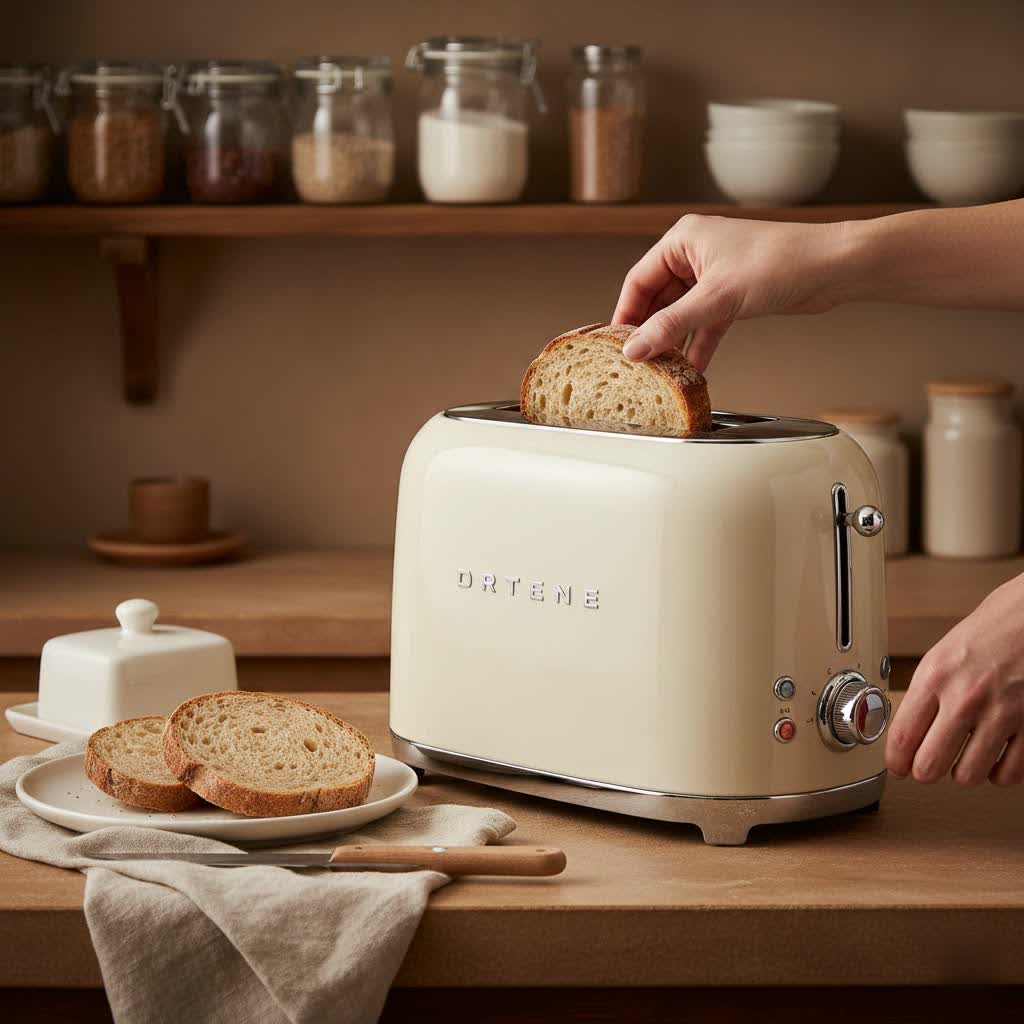
The humble toaster, an indispensable kitchen appliance, has evolved significantly, offering everything from basic browning to advanced smart features. For many, the simple pop-up toaster is a kitchen staple, while high-volume establishments often rely on the relentless efficiency of a conveyor toaster. Understanding the fundamental differences and the latest innovations as we look towards 2026 is crucial for making the right choice for your home or business. This detailed comparison will help you navigate the features, benefits, and drawbacks of each type, ensuring you select the toaster that perfectly aligns with your needs and budget.
What is a Toaster and Why Do You Need One?
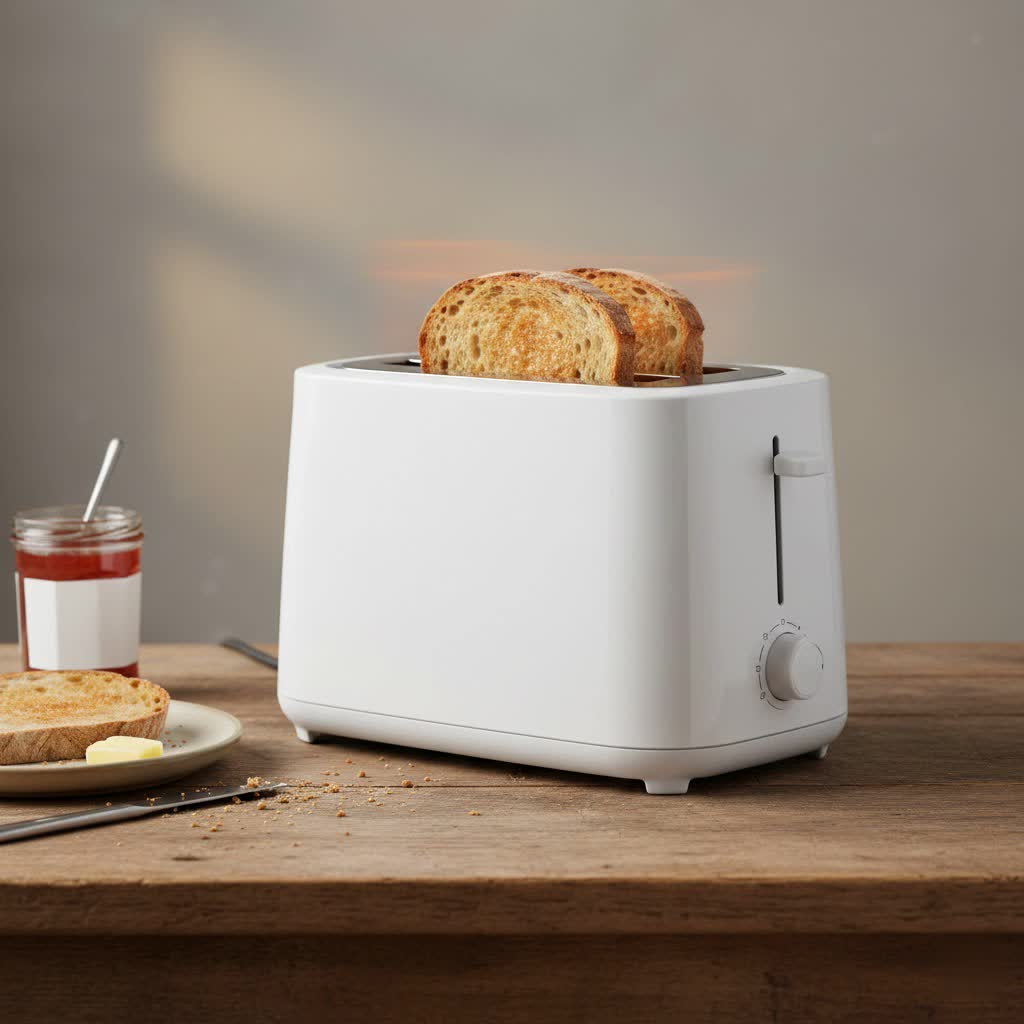
At its core, a toaster is an electric small appliance designed to brown sliced bread or other similar baked goods by exposing them to radiant heat. This process not only creates a desirable crispy texture and golden-brown crust but also enhances flavor and warmth. From rudimentary designs to the sophisticated models available today, toasters have consistently provided a quick and convenient way to prepare breakfast staples and complement various meals. While toaster ovens offer broader cooking capabilities, the discussion here focuses specifically on the two primary categories dedicated to toasting: pop-up toasters and conveyor toasters.
Conveyor Toasters vs. Pop-Up Toasters: A Head-to-Head Battle for 2026
The choice between a conveyor toaster and a pop-up toaster hinges on understanding their distinct operational mechanics, capacity, and intended applications. Each excels in different environments, offering unique advantages to cater to specific demands.
Operational Mechanics
- Pop-Up Toaster: The classic pop-up toaster operates with a simple, familiar mechanism. Slices of bread are inserted into vertical slots, where internal heating elements toast them from both sides. Once the cycle is complete, often determined by adjustable browning settings, a spring mechanism automatically ejects the finished toast with a characteristic “pop.” This straightforward design makes it incredibly easy and intuitive to use.
- Conveyor Toaster: In contrast, a conveyor toaster utilizes a continuous, chain-driven belt system. Bread is loaded onto a rack at one end and slowly carried through a heated chamber, exposing it to radiant elements above and below the belt. The toasted product then emerges from the other side, often falling into a collection tray. This design prioritizes continuous operation and high output, making it a workhorse for busy environments.
|
Our Picks for the Best Toaster in 2026
As an Amazon Associate I earn from qualifying purchases.
|
||
| Num | Product | Action |
|---|---|---|
| 1 | Cuisinart 4 Slice Compact Stainless Steel Toaster with Extra-Wide Slots for Bread, French Toast, Bagels & Pastries, Defrost & Reheat Functions, CPT-180P1, Brushed Stainless, Removable Crumb Tray |

|
| 2 | Elite Gourmet ECT-3100 4-Slice Long Slot Toaster | Extra Wide Slots for Bagels, Sourdough & Texas Toast | 6 Browning Settings | Reheat, Defrost & Cancel | Built-In Warming Rack | Stainless Steel |
|
| 3 | bella 2 Slice Slim Toaster, Fits-anywhere™ Kitchenware, 6 Setting Shade Control with Reheat & Cancel Buttons, Fits Sourdough, 10” Long Slot, Anti Jam & Auto Shutoff, 900 Watt, Surf |
|
| 4 | Cuisinart CPT-122BK 2-Slice Compact Plastic Toaster, Slots for Bagels & Bread, 7 Shade Settings, Cancel/Defrost/Reheat Functions, Removable Crumb Tray, Small Kitchen Appliance for Home & Office, Black |
|
| 5 | Amazon Basics 2 Slice Toaster, Extra Wide Slots for Bagels, 6 Browning Settings, Removable Crumb Tray, Defrost/Cancel/Bagel Buttons, Cord Wrap, 900W, Black & Silver |
|
| 6 | bella 2 Slice Slim Toaster, Fits-anywhere™ Kitchenware, 6 Setting Shade Control with Reheat & Cancel Buttons, Fits sourdough, 10” Long Slot, Anti Jam & Auto Shutoff, 900 Watt, Oatmilk |
|
| 7 | Elite Gourmet ECT-1027 Cool Touch Toaster, 7 Toast Settings Cancel Functions, Slide Out Crumb Tray, Extra Wide 1.5" Slots for Bagels Waffles Specialty Breads, Puff Pastry, Snacks, White |
|
| 8 | Elite Gourmet 2-Slice Cool Touch Toaster – 6 Browning Levels, Extra Wide 1.25” Slots for Bagels & Thick Bread, Cancel Function, Compact, ETL Certified, Black |
|
| 9 | BLACK+DECKER® 2-Slice Toaster with 7 Toast Shade Settings, Extra-Wide Slots for Bagels, Stainless Steel Exterior Finish |
|
| 10 | BLACK+DECKER 4-Slice Toaster, Extra Wide Slots, 7 Shade Settings, 1400 Watts, Frozen and Bagel Buttons, Toast Shade Selector, Extra Lift |
|
Capacity and Speed
When it comes to throughput, these two toaster types are in entirely different leagues.
- Pop-Up Toaster: Pop-up toasters are designed for lower volumes. They typically accommodate two or four slices at a time, making them suitable for individual or small family use. In commercial settings, a standard pop-up model might produce between 60 to 380 slices per hour, depending on the number of slots and browning settings. This slower speed and limited capacity can create bottlenecks in busy periods.
- Conveyor Toaster: Conveyor toasters are built for speed and high volume. They can handle hundreds, and sometimes even thousands, of slices per hour, with some commercial models capable of nearly 3,000 slices hourly. Their continuous operation ensures a steady flow of toasted goods, drastically reducing wait times in fast-paced environments.
Best Use Cases
The ideal application for each toaster type is directly tied to its capacity and design.
- Pop-Up Toaster: Pop-up toasters are perfect for personal use, small households, and light commercial settings. They are well-suited for home kitchens, small offices, boutique cafes, or hotel breakfast areas where guests serve themselves and demand is moderate. Their compact size and ease of use make them a convenient choice for intermittent toasting needs.
- Conveyor Toaster: These robust machines are essential for high-volume commercial operations. You’ll find conveyor toasters in bustling hotel buffets, large restaurants, catering businesses, and institutional kitchens where continuous production of toast, bagels, or buns is a necessity to keep up with demand.
Features and Customization
Modern toasters, whether pop-up or conveyor, come with an array of features designed to enhance user experience and toast quality.
- Pop-Up Toaster (2026 Trends): As we move into 2026, pop-up toasters continue to integrate advanced functionalities. Many models now offer precise digital browning controls, smart sensors for consistent results, and dedicated functions for specific items like bagels (toasting only one side), defrosting frozen bread, or reheating cold toast without further browning. High-lift levers make retrieving smaller items safer, while extra-wide or long slots accommodate artisan breads and thicker slices. Touchscreens, LED indicators, and even memory functions to save preferred settings are becoming increasingly common, offering a premium and customized toasting experience.
- Conveyor Toaster (2026 Trends): Conveyor toasters feature sophisticated controls tailored for commercial efficiency. Users can adjust belt speed to control browning levels, and many high-tech models allow for programmable settings for individual items like English muffins or buns. Some advanced units offer separate browning controls for each side of the product. While they can be more complex to operate initially, programmable settings help streamline training. Energy-saving modes are also being integrated to mitigate their typically higher power consumption.
Size and Design Aesthetics
Physical footprint and visual appeal play a significant role, especially in consumer kitchens or front-of-house commercial displays.
- Pop-Up Toaster: Pop-up toasters are generally compact and come in a vast array of designs, colors, and finishes, from retro styles to sleek stainless steel. They are designed to fit neatly on countertops without occupying excessive space, making them ideal for smaller kitchens or areas where aesthetics are important.
- Conveyor Toaster: These units are substantially larger and have an industrial, utilitarian design. They require significant counter space and are typically found in back-of-house kitchen environments. While large, some models offer stacking kits to optimize vertical space in busy commercial kitchens.
Cost and Energy Efficiency
The initial investment and ongoing operational costs differ considerably between the two types.
- Pop-Up Toaster: Pop-up toasters are significantly more affordable, with standard models often costing under $200, and more robust, feature-rich units up to $600. They are energy-efficient for short, infrequent use, consuming power only during the active toasting cycle.
- Conveyor Toaster: Conveyor toasters represent a much larger investment, typically ranging from $1,000 to $2,000 or more. They are designed for continuous operation, which can lead to higher energy consumption, especially during their warm-up period, which can take up to 30 minutes. However, for high-volume operations, their efficiency in terms of output per hour makes the long-term operational cost per slice considerably lower. Many newer models include power-saving modes to help manage energy costs.
“When investing in a toaster for 2026, consider not just the initial price, but the total cost of ownership, including energy and potential maintenance for your specific usage pattern,” says a seasoned kitchen appliance technician.
Durability and Maintenance
The build quality and maintenance requirements reflect their intended use.
- Pop-Up Toaster: While many pop-up toasters are durable for home use, their heating elements and mechanical levers can wear out quicker under the stress of continuous, high-volume commercial operation. Regular cleaning of the removable crumb tray is essential to prevent build-up and potential fire hazards.
- Conveyor Toaster: Built for heavy-duty commercial use, conveyor toasters are designed for endurance and consistent performance over prolonged periods. They require regular maintenance, including cleaning the crumb tray and the conveyor belt, to ensure smooth operation and longevity. Their robust construction generally translates to a longer lifespan in demanding environments.
Comparative Table: Conveyor vs. Pop-Up Toasters (2026 Overview)
| Feature | Pop-Up Toaster (2026) | Conveyor Toaster (2026) |
|---|---|---|
| Operational Mech. | Slots, heating elements, automatic pop-up. | Conveyor belt, continuous heat chamber, automatic output. |
| Capacity/Speed | Low-moderate (2-4 slices/cycle, 60-380 slices/hour). | High-volume (300-3000+ slices/hour, continuous flow). |
| Best For | Homes, small offices, low-volume cafes, self-service. | Hotels, restaurants, buffets, catering, high-volume. |
| Key Features | Digital controls, smart sensors, bagel, defrost, reheat, high-lift, wide slots, touchscreens. | Programmable settings, adjustable belt speed, dual-sided browning, power-saving modes. |
| Size | Compact, diverse aesthetics, fits small countertops. | Large footprint, industrial design, often stackable. |
| Cost | Lower initial ($100-$600), lower energy for intermittent use. | Higher initial ($1000-$2000+), higher energy for warm-up, efficient for continuous high volume. |
| Durability | Suitable for home/light commercial; mechanical parts can wear with heavy use. | Heavy-duty commercial build; designed for continuous operation and longevity. |
Choosing the Right Toaster for Your Needs in 2026
Making the best toaster choice involves a thoughtful assessment of your specific requirements and environment.
- Assess Your Volume: This is the most critical factor. For a home kitchen or a small café serving occasional toast, a pop-up toaster is perfectly adequate. If you’re running a bustling breakfast buffet or a high-traffic restaurant, a conveyor toaster is an indispensable tool for efficiency and consistency.
- Consider Your Budget: Pop-up toasters offer excellent value for personal or light commercial use, requiring a modest upfront investment. For businesses needing continuous high output, the higher cost of a conveyor toaster is justified by its operational efficiency and durability.
- Space Availability: Evaluate your counter space. Pop-up toasters are compact and versatile, fitting into most kitchen layouts. Conveyor toasters demand considerable space, so ensure you have a dedicated area for such a large appliance.
- Desired Features: Do you frequently toast bagels, frozen waffles, or thick artisan bread? Look for pop-up models with wide/long slots, bagel settings, and defrost functions. For commercial operations, programmable controls and precise speed adjustments on a conveyor toaster might be paramount.
- Maintenance Commitment: Both types require cleaning, but conveyor toasters, with more moving parts, may demand a slightly more involved routine to maintain peak performance.
Maintenance Tips for Longevity
Regardless of the toaster type you choose, proper care and maintenance will ensure its longevity and efficient operation.
- Regular Crumb Tray Emptying: For both pop-up and conveyor models, routinely empty the pull-out crumb tray. This prevents the accumulation of crumbs, which can burn, produce odors, or even pose a fire hazard.
- Exterior Cleaning: Wipe down the exterior with a damp cloth to keep it clean and free of grease or food splatters. Avoid abrasive cleaners that could damage the finish.
- Address Common Issues: For pop-up toasters, ensure the lever mechanism moves smoothly. For conveyor toasters, periodically check the belt for any debris or signs of wear, ensuring it moves freely. If you encounter issues with heating or functionality, consult the manufacturer’s guide or a qualified technician.
Conclusion
In the evolving landscape of kitchen appliances, both conveyor toasters and pop-up toasters offer distinct advantages, each excelling in their respective domains. Pop-up toasters, with their compact design and expanding array of smart features, remain the top choice for homes and low-volume settings, prioritizing convenience and individual customization. Conveyor toasters, on the other hand, are the undisputed champions of high-volume commercial kitchens, delivering unmatched speed, consistency, and durability for continuous operation. The key to making an informed decision in 2026 lies in meticulously evaluating your specific needs, volume requirements, budget, and desired features. By doing so, you can select a toaster that not only meets your expectations but also brings the joy of perfectly toasted bread to your table or business every single time.
What kind of toast will you be enjoying next?
Frequently Asked Questions
Are smart toasters worth it in 2026?
Yes, smart toasters are increasingly worth considering in 2026. They offer features like precise digital browning controls, smart sensors that adapt toasting time, and dedicated settings for various bread types, leading to more consistent and customized results with minimal effort.
Can a pop-up toaster handle bagels?
Many modern pop-up toasters are designed with extra-wide slots and a dedicated “bagel” function, which toasts the cut side while gently warming the crust side. However, not all models offer this feature, so check specifications if you frequently toast bagels.
How often should I clean my toaster?
The crumb tray should be emptied at least once a week, or more frequently with heavy use, to prevent crumb build-up and potential burning. The exterior can be wiped down as needed to keep it clean.
What’s the average lifespan of a toaster?
A well-maintained pop-up toaster typically lasts between 5 to 8 years, though some premium models can last longer. Commercial-grade conveyor toasters, built for heavy-duty use, often have a longer lifespan, frequently exceeding 10 years with proper maintenance.