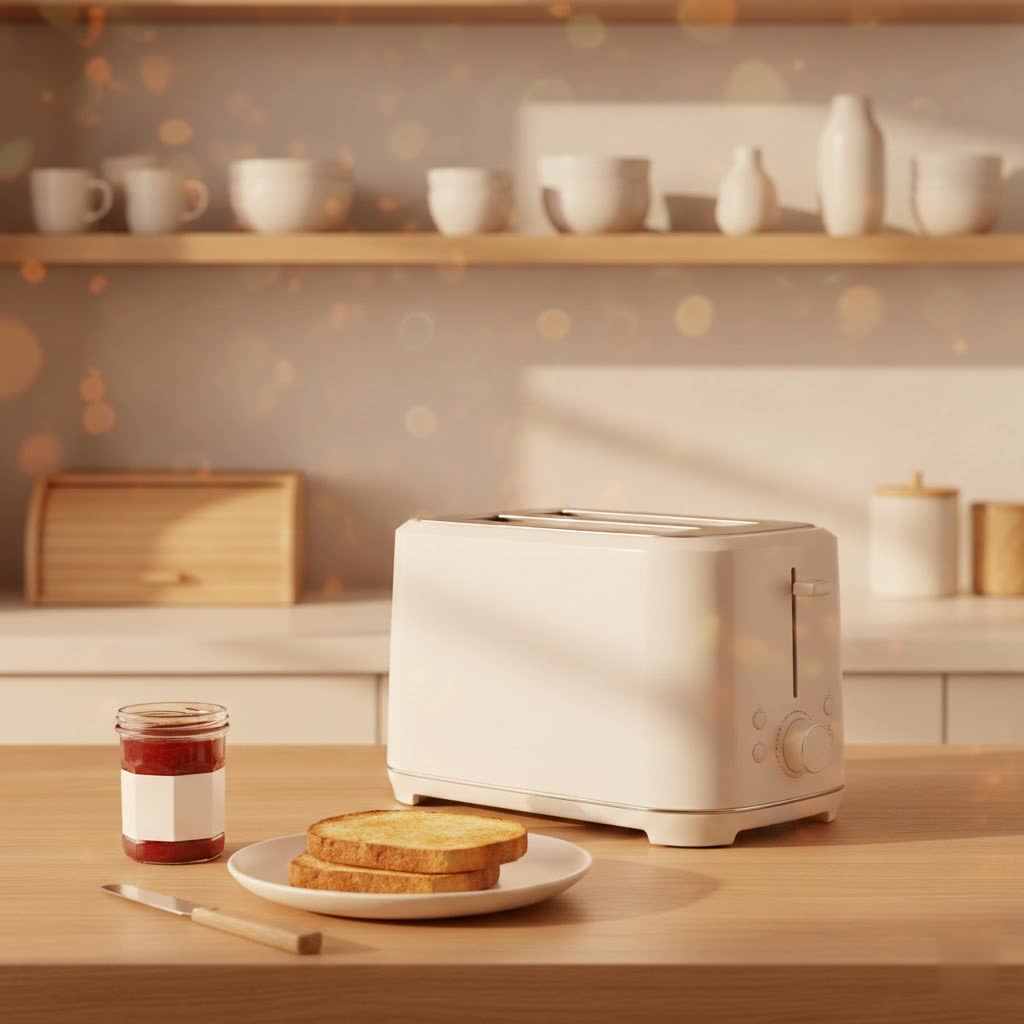
In an era where every choice impacts our planet, the kitchen stands as a central hub for sustainable living. While often overlooked, our trusty toaster plays a significant role in daily energy consumption. For eco-conscious households, selecting an energy-efficient toaster isn’t just about perfectly browned bread; it’s about reducing electricity bills, minimizing environmental footprint, and embracing a more sustainable lifestyle. This comprehensive guide will navigate the world of energy-saving toasters, helping you make an informed decision that benefits both your breakfast and the environment.
What is a Toaster and Why Do You Need One?
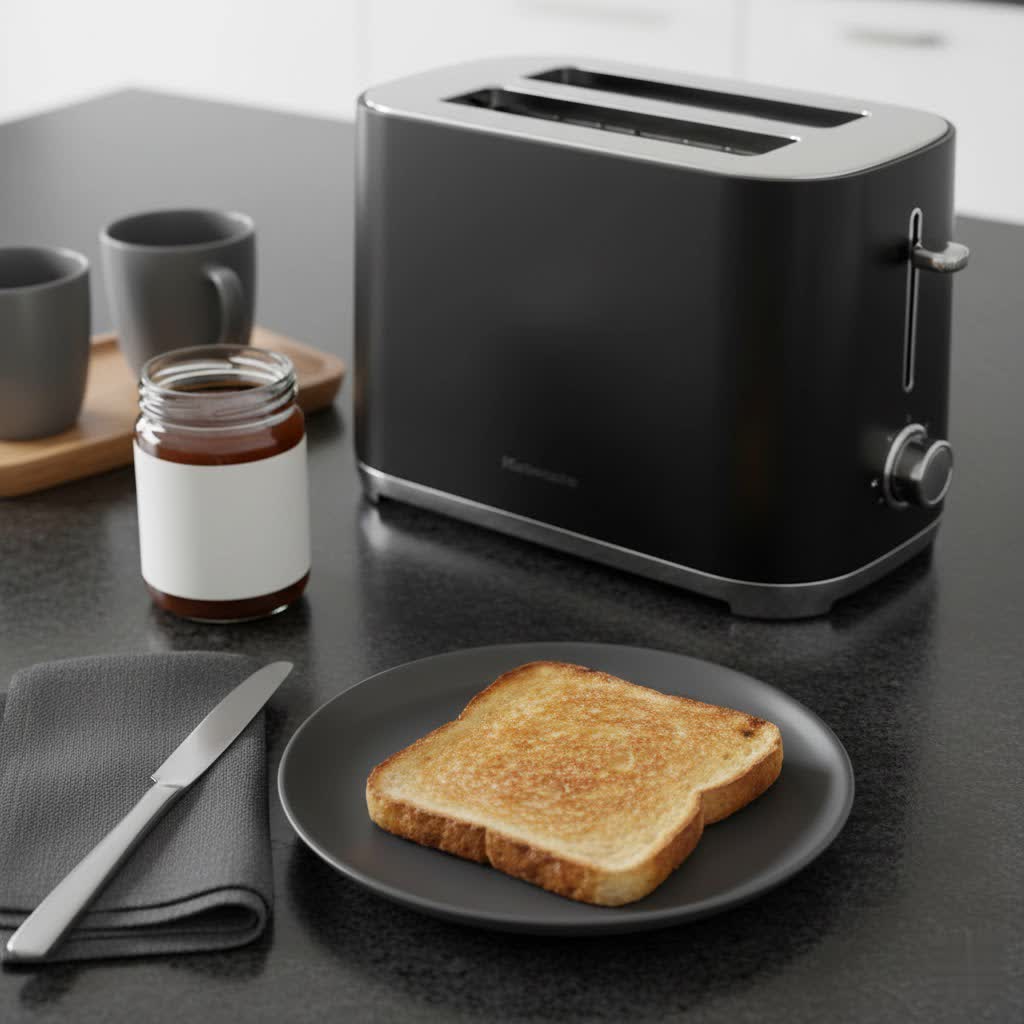
At its core, a toaster is a small electric appliance designed to brown sliced bread by exposing it to radiant heat, transforming it into toast. This simple yet essential kitchen gadget has evolved from basic open-fire methods to sophisticated electric units, becoming a staple in most homes for quick and convenient breakfast preparation. Beyond basic toast, modern toasters cater to a variety of baked goods, making them indispensable for many morning routines.
Primarily, there are two main categories of toasters relevant to households: slot toasters and toaster ovens. Slot toasters, the most common type, feature vertical slots where bread slices are inserted. Toaster ovens, on the other hand, are miniature ovens that can toast, bake, broil, and sometimes even air fry, offering greater versatility but often consuming more energy unless designed with efficiency in mind.
Factors to Consider When Buying an Energy-Saving Toaster
Choosing an energy-saving toaster involves more than just picking a stylish appliance. Several crucial factors contribute to a toaster’s efficiency and overall sustainability.
Toaster Type
The type of toaster you select significantly impacts energy usage and functionality.
- Slot Toaster: Ideal for quick toasting of bread, bagels, and frozen waffles. Energy-efficient slot toasters often feature quick heating elements and precise browning controls. They are generally more compact and faster for simple toasting tasks.
- Toaster Oven: A more versatile appliance that can toast, bake, broil, and warm. While they offer broader utility, toaster ovens typically have a larger heating cavity, which can require more energy to heat up. Look for models with convection features, compact designs, and specific energy-saving modes if choosing a toaster oven for efficiency.
|
Our Picks for the Best Toaster in 2026
As an Amazon Associate I earn from qualifying purchases.
|
||
| Num | Product | Action |
|---|---|---|
| 1 | Cuisinart CPT-122BK 2-Slice Compact Plastic Toaster, Slots for Bagels & Bread, 7 Shade Settings, Cancel/Defrost/Reheat Functions, Removable Crumb Tray, Small Kitchen Appliance for Home & Office, Black |

|
| 2 | BLACK+DECKER 4-Slice Toaster, Extra Wide Slots, 7 Shade Settings, 1400 Watts, Frozen and Bagel Buttons, Toast Shade Selector, Extra Lift |
|
| 3 | BLACK+DECKER® 2-Slice Toaster with 7 Toast Shade Settings, Extra-Wide Slots for Bagels, Stainless Steel Exterior Finish |
|
| 4 | Elite Gourmet ECT-1027 Cool Touch Toaster, 7 Toast Settings Cancel Functions, Slide Out Crumb Tray, Extra Wide 1.5" Slots for Bagels Waffles Specialty Breads, Puff Pastry, Snacks, White |
|
| 5 | Cuisinart 4 Slice Compact Stainless Steel Toaster with Extra-Wide Slots for Bread, French Toast, Bagels & Pastries, Defrost & Reheat Functions, CPT-180P1, Brushed Stainless, Removable Crumb Tray |
|
| 6 | Amazon Basics 2 Slice Toaster, Extra Wide Slots for Bagels, 6 Browning Settings, Removable Crumb Tray, Defrost/Cancel/Bagel Buttons, Cord Wrap, 900W, Black & Silver |
|
| 7 | bella 2 Slice Slim Toaster, Fits-anywhere™ Kitchenware, 6 Setting Shade Control with Reheat & Cancel Buttons, Fits sourdough, 10” Long Slot, Anti Jam & Auto Shutoff, 900 Watt, Oatmilk |
|
| 8 | bella 2 Slice Slim Toaster, Fits-anywhere™ Kitchenware, 6 Setting Shade Control with Reheat & Cancel Buttons, Fits Sourdough, 10” Long Slot, Anti Jam & Auto Shutoff, 900 Watt, Surf |
|
| 9 | Elite Gourmet 2-Slice Cool Touch Toaster – 6 Browning Levels, Extra Wide 1.25” Slots for Bagels & Thick Bread, Cancel Function, Compact, ETL Certified, Black |
|
| 10 | Elite Gourmet ECT-3100 4-Slice Long Slot Toaster | Extra Wide Slots for Bagels, Sourdough & Texas Toast | 6 Browning Settings | Reheat, Defrost & Cancel | Built-In Warming Rack | Stainless Steel |
|
Number of Slots
The number of slots directly relates to capacity and can influence energy consumption.
- 2-Slice Toasters: Perfect for individuals or small households, these models heat up quickly and consume less energy per cycle compared to larger units. Many top energy-saving models come in a 2-slice configuration.
- 4-Slice Toasters: Suited for larger families or those who frequently toast multiple items. While they use more energy per cycle than 2-slice models, they can be more efficient than running a 2-slice toaster twice if you consistently need four slices. Look for independent slot controls to maximize efficiency when only toasting fewer slices.
- Other Types: Some specialized toasters may feature extra-long slots for artisanal breads or unique designs, but 2-slice and 4-slice options remain the most common and energy-efficient for typical household use.
Size and Design
The physical attributes of a toaster also play a role in its eco-friendliness.
- Overall Size: Compact designs often mean smaller heating elements and less interior space to heat, leading to lower energy consumption. They are also ideal for limited kitchen counter space.
- Materials and Durability: Toasters made with durable materials like stainless steel tend to last longer, reducing the need for frequent replacements and minimizing waste. Look for BPA-free plastics and PVC-free cords to avoid harmful chemicals.
- Design and Aesthetics: While subjective, a well-designed toaster can enhance your kitchen. Many energy-efficient models combine sleek aesthetics with practical, sustainable construction.
Special Features for Energy Efficiency
Modern toasters incorporate a range of features that actively promote energy saving and improved performance.
- Reheat Function: Warms toast without re-toasting, saving energy by using a lower heat setting for a shorter duration.
- Defrost Function: Gently thaws frozen items before toasting, ensuring even results without increasing the total cooking time excessively.
- Bagel Function: Toasts the cut side of a bagel while gently warming the outer crust, using less energy than full-power toasting on both sides.
- Adjustable Browning Settings: Allows precise control over toast shade, ensuring the toaster runs only for the necessary time, preventing over-toasting and wasted energy.
- Automatic Shut-off: A critical energy-saving feature that powers down the toaster after a set period of inactivity, preventing phantom energy drain and accidental overheating.
- Removable Crumb Tray: Essential for easy cleaning, which contributes to appliance longevity and maintains efficiency by preventing crumb buildup from interfering with heating elements.
- Eco Mode: Specific settings found in some models that actively reduce energy consumption during operation by adjusting heating intensity or duration.
- Quick Heating Elements: Advanced heating technologies, like quartz elements, reach optimal temperatures rapidly, reducing the overall time the toaster needs to be on.
Brand and Price
Investing in a reputable brand often means better quality, durability, and a commitment to energy efficiency.
- Trusted Brands: Brands like Oster, Cuisinart, Breville, KitchenAid, Smeg, and Panasonic are frequently cited for offering energy-efficient toaster options. Look for brands that actively highlight sustainable manufacturing practices and energy-saving features.
- Price Comparison: Energy-efficient toasters may sometimes have a slightly higher upfront cost due to advanced technology and durable materials. However, these models often lead to significant long-term savings on electricity bills and reduce replacement costs due to their enhanced durability.
Best Energy-Saving Toaster Models on the Market
Here’s a comparison of some top-rated energy-saving toasters, highlighting their key features and benefits for eco-conscious households:
| Model | Slices | Material | Energy-Saving Features | Pros | Cons |
|---|---|---|---|---|---|
| Oster Eco Logic 2-Slice | 2 | BPA-free plastic | ECO mode (up to 60% less energy) | Significant energy savings, sustainable materials, extra-long slots | Limited color options |
| Cuisinart CPT-180 Classic | 2/4 | Stainless Steel | Auto shut-off, compact size (2-slice) | Durable, quick heating, various browning settings | Higher price point for 4-slice version |
| Breville Smart Toaster | 2/4 | Die-cast metal | Smart heating (adjusts temp), Lift & Look | Advanced technology, customizable settings, durable construction | Premium price |
| Hamilton Beach Keep Warm 2-Slice | 2 | Plastic | Up to 66% less electricity, Keep Warm function | Very energy efficient, affordable, compact | Less sustainable plastic components |
| KitchenAid KMT2203CA Pro Line | 2 | Stainless Steel | Auto shut-off (4 mins), browning control | Elegant design, durable, eco-friendly stainless steel | Higher price range |
| Smeg TSF03 4-Slice | 4 | Stainless Steel | Eco mode, durable construction | Retro aesthetic, excellent for families, long-lasting | Premium price |
- Oster Eco Logic 2-Slice Toaster: This model stands out with its dedicated ECO mode, reportedly reducing energy consumption by up to 60%. Its BPA-free plastic body and PVC-free cord emphasize sustainability, while extra-long slots accommodate various bread types.
- Cuisinart CPT-180 Classic Toaster: Available in 2-slice and 4-slice versions, this series is praised for its durable stainless steel construction and energy-saving auto shut-off feature. The 2-slice model is particularly noted for its compact size and quick heating, ensuring less energy use.
- Breville Smart Toaster (e.g., BTA830XL Die-Cast or Edge Deep Chassis): Breville incorporates advanced smart technology, like automatic temperature adjustment based on bread type and a “Lift and Look” feature to check toast without interrupting the cycle. These intelligent functions prevent energy waste from over-toasting or unnecessary reheating.
- Hamilton Beach Keep Warm 2-Slice Toaster: An affordable and highly efficient option, this toaster boasts significant energy savings (up to 66% less electricity). Its compact size and “keep warm” function further reduce the need for re-toasting.
- KitchenAid KMT2203CA Pro Line Automatic Toaster: Combining sleek aesthetics with robust performance, this model features a durable, recyclable stainless steel build and an auto shut-off after four minutes of inactivity, along with precise browning controls for efficient toasting.
- Smeg TSF03 4-Slice Toaster: For those seeking both style and substance, the Smeg TSF03 offers a retro design with modern energy efficiency. Its eco mode and durable build ensure it’s a long-lasting and power-conscious addition to larger households.
How to Use and Maintain Your Toaster for Longevity and Efficiency
Proper usage and maintenance are key to maximizing your toaster’s lifespan and maintaining its energy efficiency.
- Safe Usage: Always operate your toaster on a flat, stable surface away from flammable materials. Never insert metal objects into the slots. Ensure the appliance is unplugged when not in use to prevent phantom power draw.
- Cleaning and Maintenance: Regularly empty the removable crumb tray to prevent accumulation, which can pose a fire hazard and interfere with heating. Wipe down the exterior with a damp cloth. For slot toasters, avoid using abrasive cleaners. Keeping your toaster clean ensures optimal performance and prevents unnecessary energy expenditure due to blockages.
- Addressing Common Issues: If your toaster isn’t browning evenly, it might be due to crumb buildup or worn-out elements. Regular cleaning can often resolve minor issues. If persistent problems occur, consult the manufacturer’s guide or consider professional repair to extend its life rather than replacing it prematurely.
Tips for Choosing the Right Energy-Saving Toaster for Your Needs
Making the best choice involves a thoughtful evaluation of your specific requirements and the available options.
- Identify Your Needs: Consider how many people will use the toaster daily, the types of bread you typically toast, and how frequently it will be used. A single person might be best served by a compact 2-slice model, while a large family might benefit from a 4-slice or versatile toaster oven with energy-saving features.
- Set a Budget: Determine how much you are willing to invest. Remember that a slightly higher upfront cost for an energy-efficient, durable model often translates to significant savings over its lifetime.
- Research Product Information and User Reviews: Dive into product specifications, focusing on wattage, special energy-saving modes, and material quality. Reading user reviews can provide real-world insights into a toaster’s performance, durability, and actual energy efficiency.
- Compare Different Models: Use comparison charts (like the one above) to weigh the pros and cons of various energy-saving toasters. Consider the balance between features, price, and overall environmental impact.
Conclusion
Choosing the best energy-saving toaster for your eco-conscious household is a simple yet impactful step towards sustainable living. By prioritizing features like quick heating elements, automatic shut-off, and dedicated eco modes, and opting for durable, responsibly-made appliances, you can enjoy perfectly toasted bread while significantly reducing your energy consumption and environmental footprint. The market offers a fantastic range of options that prove efficiency doesn’t mean compromising on performance or style. Make an informed decision today, and toast to a greener, more sustainable future.
What small change will you make in your kitchen next to embrace a more eco-friendly lifestyle?
Frequently Asked Questions
What features should I look for in an energy-efficient toaster?
When seeking an energy-efficient toaster, prioritize features such as quick heating elements, adjustable browning controls, an eco mode, and an automatic shut-off function. These elements collectively minimize power consumption and ensure optimal toasting results.
How much energy can I save by using an energy-efficient toaster?
The energy savings can vary, but energy-efficient toasters can reduce electricity consumption by approximately 20-60% compared to traditional models. This can lead to noticeable reductions in your electricity bill over time, contributing to both financial savings and environmental benefits.
Are energy-efficient toasters more expensive than regular toasters?
Energy-efficient toasters may sometimes have a higher initial cost due to advanced technology and quality materials. However, their long-term value often surpasses traditional models through reduced energy bills and increased durability, making them a wise investment for eco-conscious consumers.
Can I use an energy-efficient toaster for different types of bread?
Yes, most energy-efficient toasters come with versatile settings, including options for bagels, frozen items, and different bread thicknesses. This ensures you can achieve your desired level of browning for various bread types without wasting energy on unsuitable settings.
How do eco modes work in energy-efficient toasters?
Eco modes are designed to optimize energy usage by adjusting the heating intensity or duration for specific toasting tasks. When activated, these modes ensure the toaster uses only the necessary power for the desired result, effectively lowering overall electricity consumption while maintaining performance.