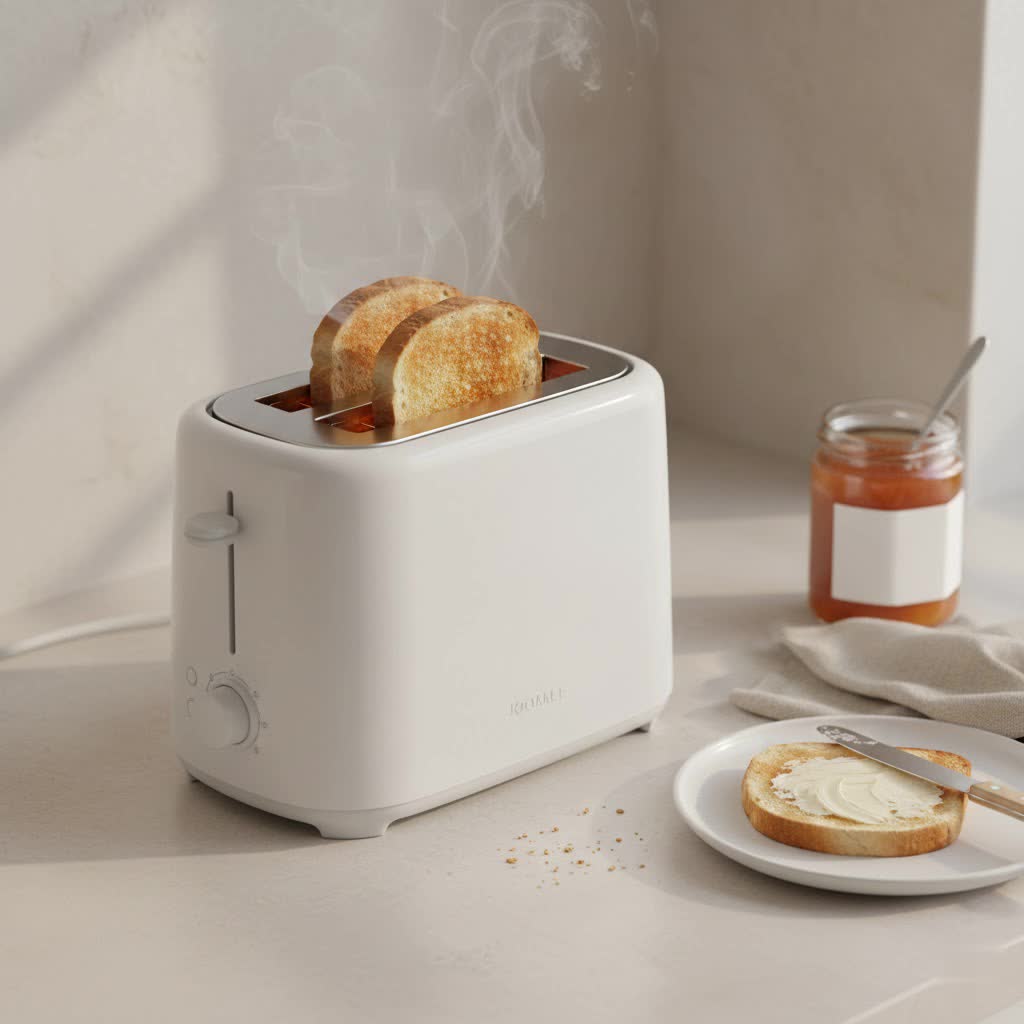
Moving into a new home or setting up a small office often involves making smart, budget-conscious decisions about essential appliances. Among them, a reliable toaster is a countertop hero, promising perfectly browned bread to kickstart your day or fuel a quick work break. But with countless options available, how do you choose a toaster that offers genuine value—balancing performance, features, and affordability without compromising on quality? This guide is designed to help new homeowners and small office managers navigate the market, ensuring you pick a toaster that delivers consistent results and stands the test of time, all while respecting your budget and space.
What is a Toaster and Why Do You Need One?
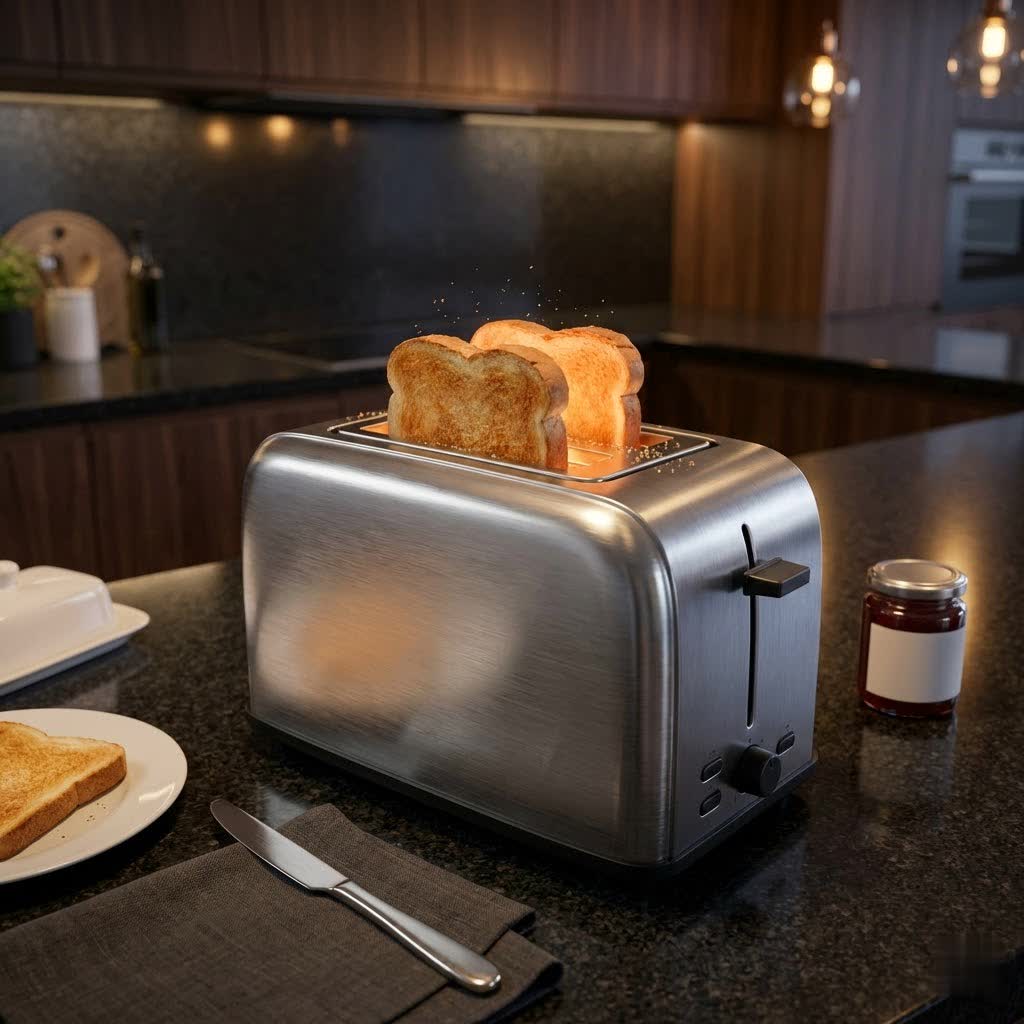
At its core, a toaster is a small electric appliance designed to brown slices of bread, bagels, and other baked goods using radiant heat. From its humble beginnings in the early 20th century, the toaster has evolved from a basic single-slice device to a diverse range of models offering various functions. Today, a toaster is more than just a convenience; it’s a staple for quick breakfasts, easy snacks, and even preparing ingredients for more elaborate meals. For new homeowners, it’s about establishing those comforting routines, and for small offices, it’s about providing a quick, accessible option for employees.
The most common type is the pop-up toaster (or slot toaster), known for its simplicity and efficiency. Bread is inserted into slots and automatically pops up when toasted. Another popular option, though typically larger, is the toaster oven, which offers greater versatility, functioning like a mini-oven for baking, broiling, and reheating in addition to toasting. While toaster ovens provide more functionality, classic slot toasters generally excel in speed and consistency for simple toast, and they tend to be more compact and budget-friendly, making them ideal for those prioritizing value and space.
Factors to Consider When Buying a Value Toaster
Choosing the right value toaster involves weighing several key aspects to ensure it meets your specific needs without unnecessary expense.
Toaster Type
|
Our Picks for the Best Toaster in 2026
As an Amazon Associate I earn from qualifying purchases.
|
||
| Num | Product | Action |
|---|---|---|
| 1 | Cuisinart CPT-122BK 2-Slice Compact Plastic Toaster, Slots for Bagels & Bread, 7 Shade Settings, Cancel/Defrost/Reheat Functions, Removable Crumb Tray, Small Kitchen Appliance for Home & Office, Black |

|
| 2 | Elite Gourmet ECT-1027 Cool Touch Toaster, 7 Toast Settings Cancel Functions, Slide Out Crumb Tray, Extra Wide 1.5" Slots for Bagels Waffles Specialty Breads, Puff Pastry, Snacks, White |
|
| 3 | Elite Gourmet 2-Slice Cool Touch Toaster – 6 Browning Levels, Extra Wide 1.25” Slots for Bagels & Thick Bread, Cancel Function, Compact, ETL Certified, Black |
|
| 4 | BLACK+DECKER 4-Slice Toaster, Extra Wide Slots, 7 Shade Settings, 1400 Watts, Frozen and Bagel Buttons, Toast Shade Selector, Extra Lift |
|
| 5 | Elite Gourmet ECT-3100 4-Slice Long Slot Toaster | Extra Wide Slots for Bagels, Sourdough & Texas Toast | 6 Browning Settings | Reheat, Defrost & Cancel | Built-In Warming Rack | Stainless Steel |
|
| 6 | bella 2 Slice Slim Toaster, Fits-anywhere™ Kitchenware, 6 Setting Shade Control with Reheat & Cancel Buttons, Fits sourdough, 10” Long Slot, Anti Jam & Auto Shutoff, 900 Watt, Oatmilk |
|
| 7 | Cuisinart 4 Slice Compact Stainless Steel Toaster with Extra-Wide Slots for Bread, French Toast, Bagels & Pastries, Defrost & Reheat Functions, CPT-180P1, Brushed Stainless, Removable Crumb Tray |
|
| 8 | BLACK+DECKER® 2-Slice Toaster with 7 Toast Shade Settings, Extra-Wide Slots for Bagels, Stainless Steel Exterior Finish |
|
| 9 | Amazon Basics 2 Slice Toaster, Extra Wide Slots for Bagels, 6 Browning Settings, Removable Crumb Tray, Defrost/Cancel/Bagel Buttons, Cord Wrap, 900W, Black & Silver |
|
| 10 | bella 2 Slice Slim Toaster, Fits-anywhere™ Kitchenware, 6 Setting Shade Control with Reheat & Cancel Buttons, Fits Sourdough, 10” Long Slot, Anti Jam & Auto Shutoff, 900 Watt, Surf |
|
For most new homeowners and small offices focused on value and space, a slot toaster is often the preferred choice. These are generally more compact, quicker for basic toasting, and more affordable than toaster ovens. If your primary need is consistently toasted bread, English muffins, or bagels, a pop-up model is your best bet. Toaster ovens, while versatile, take up more counter space and can sometimes toast less evenly than dedicated slot toasters.
Number of Slots
The number of slots directly impacts how many items you can toast simultaneously, a crucial consideration for household size or office usage.
- 2-Slot Toasters: Ideal for single individuals, couples, or very small offices where only one or two people need toast at a time. They are compact and typically the most budget-friendly.
- 4-Slot Toasters: Best for families or small offices with more users, allowing for greater efficiency during busy mornings. Many 4-slice models also feature dual controls, letting you toast different items at varying settings in each pair of slots independently.
- Long Slot Toasters: These often have two extra-long slots that can accommodate larger artisan bread slices, baguettes, or up to four regular slices side-by-side. They offer flexibility for diverse bread types while maintaining a relatively slim profile.
Size and Design
Space is often a premium, especially in new homes or small office kitchens.
- Overall Footprint: Consider the toaster’s dimensions. Slim or compact models are excellent for limited counter space. Some toasters feature a narrower design with a single long slot to save space.
- Materials and Durability: Toasters come in plastic or stainless steel. Plastic models are generally lighter and more affordable, while stainless steel offers enhanced durability, a more premium look, and resistance to rust. However, stainless steel may show fingerprints more easily. Look for sturdy construction that feels solid, indicating longevity.
- Aesthetics: While value is key, design can still matter. Choose a toaster that complements your kitchen decor. Many affordable models now come in sleek, modern designs or classic retro styles.
Special Features
While focusing on value means prioritizing essentials, some special features significantly enhance the user experience and are worth considering.
- Reheat Function: Warms already-toasted bread without further browning, perfect for forgotten toast.
- Defrost Function: Thaws and then toasts frozen bread or pastries directly from the freezer, ensuring even cooking.
- Bagel Setting: Toasts only the cut side of a bagel or English muffin, leaving the outer side soft and warm.
- Shade Settings/Browning Control: A wide range of browning levels (typically 1-7 or more) allows you to customize your toast from lightly golden to dark and crispy.
- Automatic Shut-Off: A crucial safety feature that turns off the toaster once the toast pops up or a timer concludes.
- High-Lift Lever: Allows you to raise smaller items like English muffins or mini-bagels higher out of the slots, making them easier and safer to retrieve without tongs.
- Removable Crumb Tray: Essential for easy cleaning and preventing crumb build-up, which can lead to odors or even fire hazards.
- Cool-Touch Housing: Ensures the toaster’s exterior remains cool to the touch during operation, preventing accidental burns.
Brand and Price
You don’t need to spend a fortune to get a great toaster. Many reputable brands offer excellent value models that deliver reliable performance.
- Reputable Brands: Look for brands known for producing durable and consistent kitchen appliances, such as Black+Decker, Oster, Cuisinart, Amazon Basics, and Bella. These brands often offer a sweet spot between price and performance.
- Price Comparison: Value toasters typically range from under $30 to around $80. While luxury models can cost hundreds, many affordable options toast just as well for everyday needs. It’s important to balance initial cost with expected durability and features. Sometimes, spending a little more for a robust build or key features like a good bagel setting can offer better long-term value.
Comparison Table: Top Value Toasters on the Market
Here’s a look at some popular value toaster models that generally perform well for new homeowners and small offices:
| Model | Slice Capacity | Key Features | Price Range | Pros | Cons |
|---|---|---|---|---|---|
| Black+Decker Rapid Toast | 2-slice | Rapid toast, Defrost, Bagel, Cancel, Crumb Tray | ~$30-40 | Fast toasting, space-saving, reliable brand, good basic features. | Crumb tray can be a bit tricky to remove on some models, might toast unevenly on very light settings. |
| Oster 2-Slice Toaster with Quick-Check Lever | 2-slice | Quick-Check Lever, Defrost, Bagel, 7 Shade Settings, Crumb Tray | ~$25-35 | Lift-and-Look feature, high-lift for small items, even toasting, often available in colors. | May not char very dense breads in one cycle. |
| Cuisinart CPT-160 Metal Classic | 2-slice | Shade settings, Defrost, Bagel, Reheat, Cancel | ~$40-50 | Timeless stainless steel design, consistent performance, all essential functions. | No “Lift and Look” feature, slots may not be wide enough for thick artisan bread. |
| Black+Decker 4-Slice Toaster TR4900SSD | 4-slice | Independent dual controls, Defrost, Bagel, Cancel, Crumb Tray | ~$50-60 | Good capacity for offices/families, even toasting, independent controls, stainless steel finish. | Lacks advanced features like “Lift and Look” or cycle countdown. |
| Bella 2-Slice Slim Toaster | 2-slice | Long slot (fits two slices), Extra-wide slots, 6 Shade settings, High-lift lever, Crumb Tray | ~$20-30 | Extremely compact/slim design, extra-wide long slot for various bread types, very affordable. | Toasting consistency can vary, some users report durability issues over long term. |
How to Use and Maintain Your Toaster Correctly
Proper usage and maintenance are key to ensuring your value toaster performs consistently and lasts longer.
-
Safe Usage:
- Always ensure the toaster is on a stable, heat-resistant surface, away from flammable materials.
- Never insert metal objects (like knives or forks) into the slots to retrieve stuck toast, as this poses an electrocution risk. Always unplug the toaster first.
- Avoid using it to heat items that can drip (like cheese sandwiches), as this can create a fire hazard and be difficult to clean.
- Do not leave your toaster unattended while in use.
-
Cleaning and Maintenance:
- Unplug Before Cleaning: This is the most important safety rule.
- Empty Crumb Tray Regularly: Pull out the removable crumb tray (usually at the bottom) and discard crumbs. Wipe the tray clean with a damp cloth, then dry thoroughly before replacing. This prevents burnt crumbs and odors.
- Shake Out Loose Crumbs: Gently turn the toaster upside down over a sink or trash can to dislodge any crumbs stuck inside the slots that didn’t fall into the tray.
- Wipe Exterior: Use a soft, damp cloth to wipe down the exterior. For stainless steel, a mild cleaner or a microfiber cloth can help remove smudges. Avoid abrasive cleaners that can scratch the finish.
- No Water in Slots: Never immerse the toaster in water or pour water directly into the toasting slots.
- Regular Check: Periodically inspect the toaster for any frayed cords or damage.
-
Troubleshooting Common Issues:
- Uneven Toasting: If one side is consistently darker, try rotating the bread mid-cycle (if your toaster allows a “Lift and Look” feature) or adjusting the shade setting. Sometimes, cheaper models naturally toast less evenly, so experimenting with settings is important.
- Toast is Too Light/Dark: Adjust the browning dial. Remember that darker breads often need higher settings, while thin white bread might need lower ones.
- Toaster Not Popping Up: Ensure the toaster is plugged in securely and the lever is fully depressed. If the bread is stuck, unplug the unit and carefully remove it with non-metal tongs.
Tips for Choosing the Right Toaster for Your Needs
Selecting the perfect value toaster boils down to a few practical considerations tailored to your specific situation.
-
Identify Your Usage Habits:
- How many people? Singles or couples might prefer a 2-slice toaster. Small offices with multiple users will benefit from a 4-slice or long-slot model.
- What kind of bread? If you often toast thick bagels, artisan bread, or homemade slices, ensure the toaster has extra-wide or long slots.
- How frequently? Daily use warrants a more durable model with consistent performance.
-
Set a Realistic Budget: Value doesn’t mean the absolute cheapest. It means getting the best features and durability for your money. Aim for the $25-$80 range for excellent value options that offer essential features without breaking the bank.
-
Prioritize Key Features: For new homeowners and small offices, focus on:
- Even toasting: Crucial for satisfaction. Look for reviews that highlight consistency.
- Removable crumb tray: For easy cleaning and hygiene.
- Defrost and Bagel settings: Highly convenient for diverse breakfast needs.
- High-lift lever: A small feature that makes a big difference for safety and convenience.
- Compact size: If counter space is limited.
-
Read User Reviews: Customer feedback provides invaluable insights into a toaster’s real-world performance, durability, and any quirks. Look for consistent comments about evenness, speed, and ease of cleaning.
-
Consider the Aesthetics: While functionality comes first, a toaster is a visible appliance. Choose one that you find visually appealing and that complements your kitchen or office breakroom decor.
Conclusion
Choosing the best value toaster for your new home or small office doesn’t have to be a complicated task. By focusing on your specific needs, prioritizing essential features like even toasting and easy cleaning, and setting a realistic budget, you can find a dependable appliance that delivers perfect toast every time. The market offers fantastic, affordable options that prove you don’t need to splurge for quality and consistency.
Investing in a well-chosen toaster means more than just browned bread; it means smooth mornings, convenient snacks, and an appliance that reliably serves you day in and day out. What will be your first perfectly toasted bite?
Frequently Asked Questions
How much should I spend on a value toaster?
You can find excellent value toasters typically ranging from $25 to $80. Many models in this price bracket offer essential features, consistent performance, and decent durability without requiring a significant investment.
Are 2-slice or 4-slice toasters better for small offices?
For small offices, a 4-slice toaster is generally better as it can accommodate more users simultaneously, improving efficiency during peak times. Look for models with independent dual controls to allow different browning settings for different users.
How do I ensure even toasting in a budget toaster?
To ensure even toasting, look for models with self-centering guides and wide slots. Experiment with different shade settings, and if your toaster has a “Lift and Look” feature, use it to check progress and adjust as needed. Regularly cleaning the crumb tray can also contribute to more consistent results.
What’s the most important feature for a budget toaster?
For a budget toaster, the most important feature is consistent and even browning. While extra functions are nice, the primary purpose of a toaster is to make good toast reliably. A removable crumb tray for easy cleaning and a high-lift lever for safety are also highly beneficial.