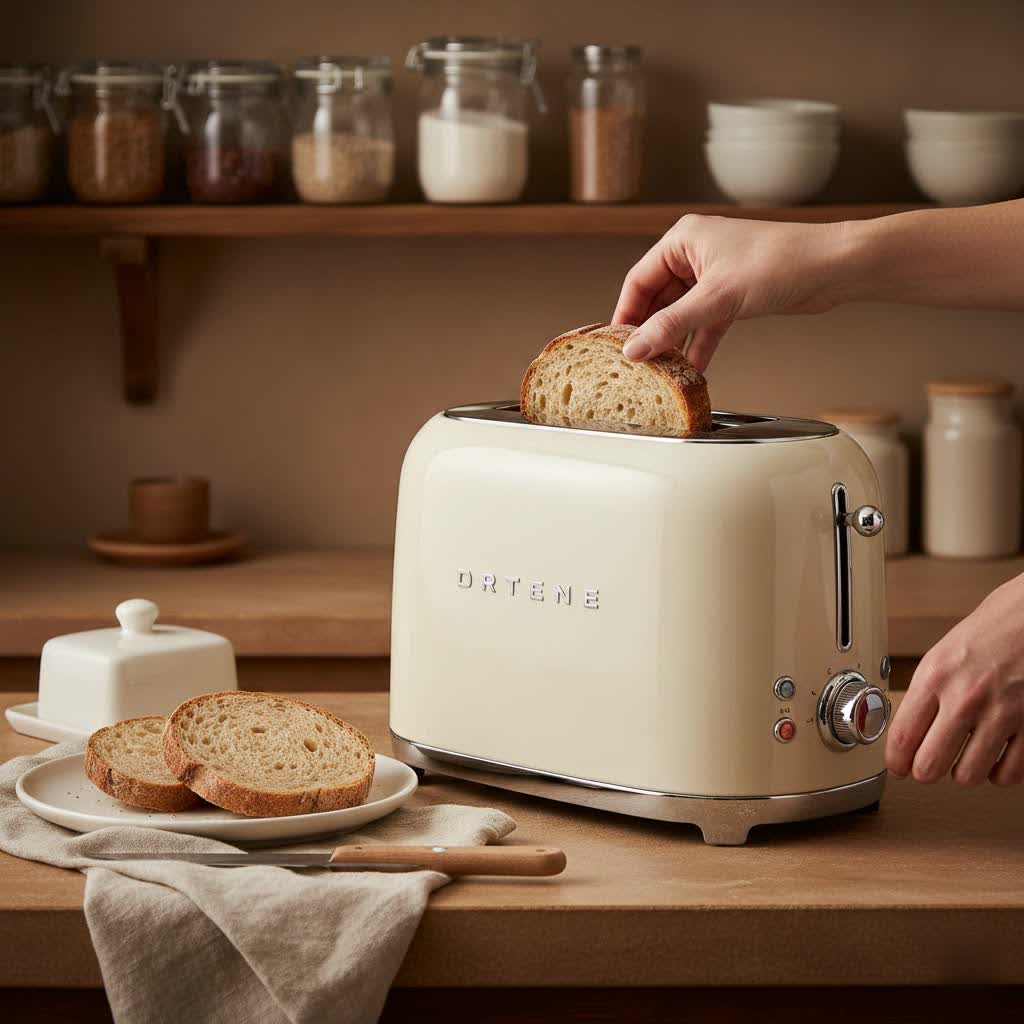
There’s nothing quite like a slice of perfectly toasted sourdough or a rustic artisanal bread, warm and crisp, ready to be slathered with butter or your favorite toppings. Yet, many home cooks face a common frustration: their standard toaster simply isn’t built to handle the unique dimensions of these beloved loaves. Oversized slices often peek out, leading to uneven browning and a less-than-ideal breakfast experience. If you’re tired of playing a game of toaster roulette with your gourmet bread, it’s time to discover the world of long-slot toasters. These specialized appliances are designed to accommodate the generous length and often thicker cuts of sourdough and other artisan breads, ensuring every bite is uniformly golden and delicious.
This comprehensive guide will walk you through everything you need to know about selecting the ideal long-slot toaster. We’ll explore why these toasters are a game-changer for bread enthusiasts, the essential features to look for, and compare some of the top models on the market, helping you make an informed decision to elevate your toast game.
What is a Long-Slot Toaster and Why Do You Need One?
A long-slot toaster is an electric appliance specifically designed with longer, often wider, toasting slots than conventional models. While a standard toaster typically features two square-ish slots, a long-slot toaster usually has one or two elongated slots that can accommodate broader or longer slices of bread. This design is crucial for those who frequently enjoy sourdough, rye, pumpernickel, or other artisanal loaves, which rarely fit neatly into traditional toasters without being cut in half or forced.
The primary advantage of a long-slot toaster is its ability to deliver consistent, edge-to-edge browning. When a slice of bread is too large for its slot, parts of it remain untoasted, resulting in a disappointing bite. Long-slot toasters eliminate this problem by ensuring the entire slice is enveloped by the heating elements, leading to a uniformly crisp texture and golden color. This not only enhances the taste and enjoyment of your bread but also saves you the hassle of flipping or repositioning slices mid-cycle.
Historically, toasters have evolved from simple wire contraptions over an open flame to sophisticated countertop appliances. The advent of long-slot designs reflects a growing appreciation for diverse bread types and a desire for specialized kitchen tools that cater to specific culinary needs. Today’s long-slot toasters often combine this essential design with advanced features, offering convenience and precision for the modern toast connoisseur.
Factors to Consider When Buying a Long-Slot Toaster
Choosing the right long-slot toaster involves more than just slot length. Several key factors can influence performance, usability, and overall satisfaction.
Toaster Type
While the focus is on long-slot designs, it’s important to differentiate within this category:
- Two-Slice Long-Slot Toasters: These models typically feature one extra-long slot designed to hold two standard slices side-by-side or a single, very long slice of artisanal bread. They are ideal for individuals or couples with limited counter space.
- Four-Slice Long-Slot Toasters: These usually come with two extra-long slots, allowing you to toast up to four standard slices or two long artisanal slices simultaneously. They are perfect for larger families or those who frequently entertain.
- Toaster Ovens (as an alternative): While not traditional “slot” toasters, some toaster ovens offer wide and deep enough interiors to toast larger bread slices effectively. They provide versatility, functioning as small ovens for baking, broiling, and reheating, which can be useful for sourdough enthusiasts who also bake their own loaves. However, for sheer toasting efficiency and speed, a dedicated long-slot toaster often performs better.
Slot Dimensions (Length & Width)
This is perhaps the most critical consideration for sourdough and artisanal bread lovers.
- Length: Ensure the slots are long enough to accommodate your preferred bread. Many artisanal loaves can be 10-12 inches or longer. Look for toasters with slots around 10-15 inches in length.
- Width: Sourdough and other artisan breads often have thicker slices. Wide slots (typically 1.5 inches or more) are essential to prevent bread from getting stuck or compressed, which can lead to uneven toasting. Some toasters feature self-centering guides to ensure even heat distribution regardless of bread thickness.
Size and Design
The toaster’s physical attributes contribute to its integration into your kitchen.
- Overall Size: Long-slot toasters inherently have a larger footprint than compact two-slice models. Measure your available countertop space before purchasing.
- Material and Durability: Stainless steel exteriors are popular for their sleek appearance, durability, and ease of cleaning. Plastic models are often more affordable and lighter. High-quality construction ensures longevity and consistent performance.
- Aesthetics: Toasters come in various styles and colors, from modern minimalist to retro designs. Choose one that complements your kitchen decor.
Special Features
Modern long-slot toasters come equipped with a range of features that enhance convenience and control:
- Reheat Function: Warms already-toasted bread without further browning it, perfect for when distractions strike.
- Defrost Function: Adds extra time to the toasting cycle to thaw frozen bread before toasting, ensuring a crispy exterior and soft interior.
- Bagel Function: Toasts only one side of the bread (typically the cut side of a bagel) while warming the other, preventing over-browning.
- Adjustable Browning Settings: A dial or digital control allowing you to select your preferred level of crispness, usually from 1 (light) to 7 (dark).
- Auto-Shutoff: A safety feature that turns off the toaster if bread jams or after a set cycle, preventing overheating.
- High-Lift Lever: Lifts smaller items like English muffins or small slices of bread higher out of the slots, making them easier and safer to retrieve without burning your fingers.
- Removable Crumb Tray: Essential for easy cleaning, trapping crumbs and preventing them from accumulating inside the toaster, which can pose a fire hazard and affect performance.
- “A Bit More” Button: A popular feature on some models (like Breville) that allows you to extend the toasting time for a few seconds without resetting the entire cycle.
- “Lift and Look” Function: Allows you to momentarily lift the bread to check its browning progress without canceling the cycle.
- Clear View Window: Featured on some innovative models (like the Dash Clear View), this transparent panel lets you visually monitor the toasting process, ensuring perfect results every time.
Brands and Price
Many reputable brands offer long-slot toasters, each with varying price points and feature sets. Well-known brands like Breville, Dash, KitchenAid, Cuisinart, Zwilling, and Smeg are often recommended for their quality and performance. Prices can range from budget-friendly options around $40-$60 to high-end models exceeding $200-$300, depending on features, materials, and brand prestige. It’s important to balance your budget with the features most important to your toasting needs.
Comparing the Best Long-Slot Toasters for Sourdough and Artisanal Bread
To help you navigate the myriad of options, here’s a comparison of some highly-rated long-slot toasters praised for their performance with sourdough and artisanal bread.
| Toaster Model | Slot Configuration | Key Features | Pros | Cons |
|---|---|---|---|---|
| Dash Clear View Toaster | 1 extra-long slot | Clear view window, defrost, bagel, reheat functions, removable glass for cleaning | Excellent visibility for perfect browning, slim design, affordable, easy to clean glass. | May toast slower than some models, some users find exterior can get hot. |
| Breville “A Bit More” Smart Toaster (e.g., BTA830XL) | 2 extra-long slots (4-slice capacity) | “A Bit More” button, “Lift and Look,” LED indicator, bagel, defrost, high-lift lever | Accommodates large slices, precise control with “A Bit More” and “Lift and Look,” durable construction. | Higher price point, larger countertop footprint. |
| Zwilling Enfinigy 2 Long Slot Toaster | 2 extra-long slots (4-slice capacity) | 7 browning levels, bagel, defrost, reheat functions, soft-lift function | Even toasting, sleek design, durable stainless steel, good for homemade sourdough. | Larger footprint, can be slower than other toasters. |
| KitchenAid 2-Slice Long Slot Toaster | 1 extra-long, extra-wide slot | Defrost, bagel, “a little longer” settings, high-lift lever, self-centering racks | Wide and long slots, consistent toasting, robust build, useful specialized settings. | Only two slices at a time (though long), may be pricier for a 2-slice model. |
| Cuisinart CPT-2400P1 Bakery Artisan Bread Toaster | 2 extra-long, extra-wide slots (4-slice capacity) | 6-setting browning dial, defrost, reheat, bagel functions, crumb tray | Designed specifically for artisan bread, reliable performance, good value for money, dual controls. | Some reviews mention inconsistent browning over time, can be bulky. |
| Smeg 50’s Retro Style Aesthetic Toaster | 2 extra-long slots (4-slice capacity) | 6 browning levels, reheat, defrost, bagel functions, retro design, stainless steel body | Stylish and eye-catching, excellent build quality, reliable performance, wide slots. | Premium price, may prioritize aesthetics over cutting-edge features for some users. |
“The key to perfect toast, especially with artisanal bread, lies in uniform heat distribution and adequate slot size. A good long-slot toaster ensures every inch of your sourdough gets the attention it deserves.” – ReviewOrx.com Admin, Toaster Expert
How to Use and Maintain Your Long-Slot Toaster Correctly
To get the most out of your long-slot toaster and ensure its longevity, proper usage and maintenance are essential.
Safe Usage Tips
- Read the Manual: Always consult your toaster’s user manual for specific instructions and safety warnings.
- Placement: Place the toaster on a flat, stable, heat-resistant surface, away from walls, cabinets, and flammable materials. Ensure adequate ventilation around the appliance.
- Never Leave Unattended: Do not leave a toaster unsupervised while in use.
- No Metal Objects: Never insert metal objects (like knives or forks) into the toaster slots, especially when it’s plugged in, to avoid electric shock.
- Unplug When Not in Use: Always unplug the toaster when it’s not in use or before cleaning.
Cleaning and Maintenance
Regular cleaning prevents crumb buildup, which can cause burning smells and even fire hazards.
- Unplug and Cool: Ensure the toaster is unplugged and completely cool before cleaning.
- Empty Crumb Tray: Most long-slot toasters have a removable crumb tray at the bottom. Slide it out, discard the crumbs, and wash the tray with warm, soapy water. Rinse thoroughly and dry completely before reinserting.
- Shake Out Remaining Crumbs: Gently turn the toaster upside down over a sink or trash can and shake it to dislodge any crumbs stuck inside.
- Wipe Exterior: Use a damp cloth to wipe down the exterior of the toaster. For stainless steel models, a microfiber cloth can help prevent streaks. Avoid abrasive cleaners that could damage the finish.
- Clean Clear View Window (if applicable): For toasters with glass panels, follow manufacturer instructions for cleaning. Some, like the Dash Clear View, have removable glass for easy cleaning.
Common Troubleshooting
- Uneven Toasting: Ensure bread slices are properly centered in the slots. If the issue persists, the heating elements might be aging or unevenly distributed.
- Bread Stuck: Use the high-lift lever if available. If not, carefully unplug the toaster and use wooden or plastic tongs to retrieve the bread.
- Burning Smell: This is often due to accumulated crumbs. Refer to the cleaning steps above. If the smell persists after cleaning, consult the manufacturer.
Tips for Choosing the Right Long-Slot Toaster for Your Needs
Selecting the perfect long-slot toaster can seem daunting, but by focusing on your specific needs, the choice becomes much clearer.
- Identify Your Usage Habits:
- How often do you toast? Daily use warrants a more durable and feature-rich model.
- What type of bread do you toast most? If it’s predominantly long sourdough slices, prioritize maximum slot length and width.
- How many people use the toaster? A 4-slice long-slot model is more efficient for families, while a 2-slice might suffice for individuals.
- Set a Realistic Budget: Determine how much you’re willing to spend. Remember, a higher price often correlates with more features, better build quality, and enhanced durability. However, excellent performance can still be found in mid-range options.
- Read Reviews and Expert Opinions: Leverage product reviews from trusted sources and fellow users. Pay attention to comments regarding evenness of toast, durability, and how well the toaster handles large, thick slices. Reviews often highlight real-world performance that specifications might not capture.
- Consider Countertop Space: Long-slot toasters require more horizontal space. Measure your available area to ensure the toaster fits comfortably without crowding your kitchen.
- Prioritize Essential Features: Decide which special functions (e.g., defrost, bagel, “Lift and Look”) are must-haves for your daily routine. Don’t pay extra for features you’ll never use.
- Compare Models: Create a shortlist of 2-3 toasters that meet your criteria and compare them side-by-side on features, price, and user feedback before making your final decision.
Conclusion
For connoisseurs of sourdough and artisanal bread, a long-slot toaster is not just a convenience but a necessity. It ensures that every irregular, thick, or lengthy slice receives the even, golden-brown toast it deserves, transforming a simple breakfast into a delightful experience. From the visual precision of a clear-view model to the smart features of high-end appliances, the right long-slot toaster can significantly upgrade your kitchen and your morning routine.
By carefully considering slot dimensions, special features, design, and budget, you can find a toaster that perfectly meets your needs. Investing in a quality long-slot toaster means saying goodbye to half-toasted bread and hello to perfectly crisp, delicious slices every single time. What will be your first perfectly toasted slice of artisanal bread?
Frequently Asked Questions
Why do long-slot toasters toast sourdough better than regular toasters?
Long-slot toasters are specifically designed with wider and longer slots, which can fully accommodate the typically larger and thicker slices of sourdough and artisanal breads. Regular toasters are often too short, leaving portions of the bread untoasted and uneven.
Are long-slot toasters typically larger than standard toasters?
Yes, long-slot toasters generally have a larger footprint due to their elongated design. This allows them to fit wider or longer slices of bread but also means they will take up more horizontal space on your countertop compared to compact standard toasters.
Can I toast bagels in a long-slot toaster?
Absolutely. Many long-slot toasters come with extra-wide slots and a dedicated “bagel” function, which toasts the cut side of the bagel while gently warming the outer crust, providing optimal results for thick bagel halves.
How often should I clean the crumb tray on my long-slot toaster?
For regular use, it’s recommended to empty the crumb tray at least once a week. This prevents crumb buildup, which can cause unpleasant odors, smoking, and potentially fire hazards. Always unplug the toaster before cleaning.
What is the “Lift and Look” feature, and is it important?
The “Lift and Look” feature allows you to momentarily raise the bread carriage to check the toasting progress without canceling the cycle. It’s a convenient feature that prevents over-toasting and ensures your bread reaches your desired level of crispness without interruption.