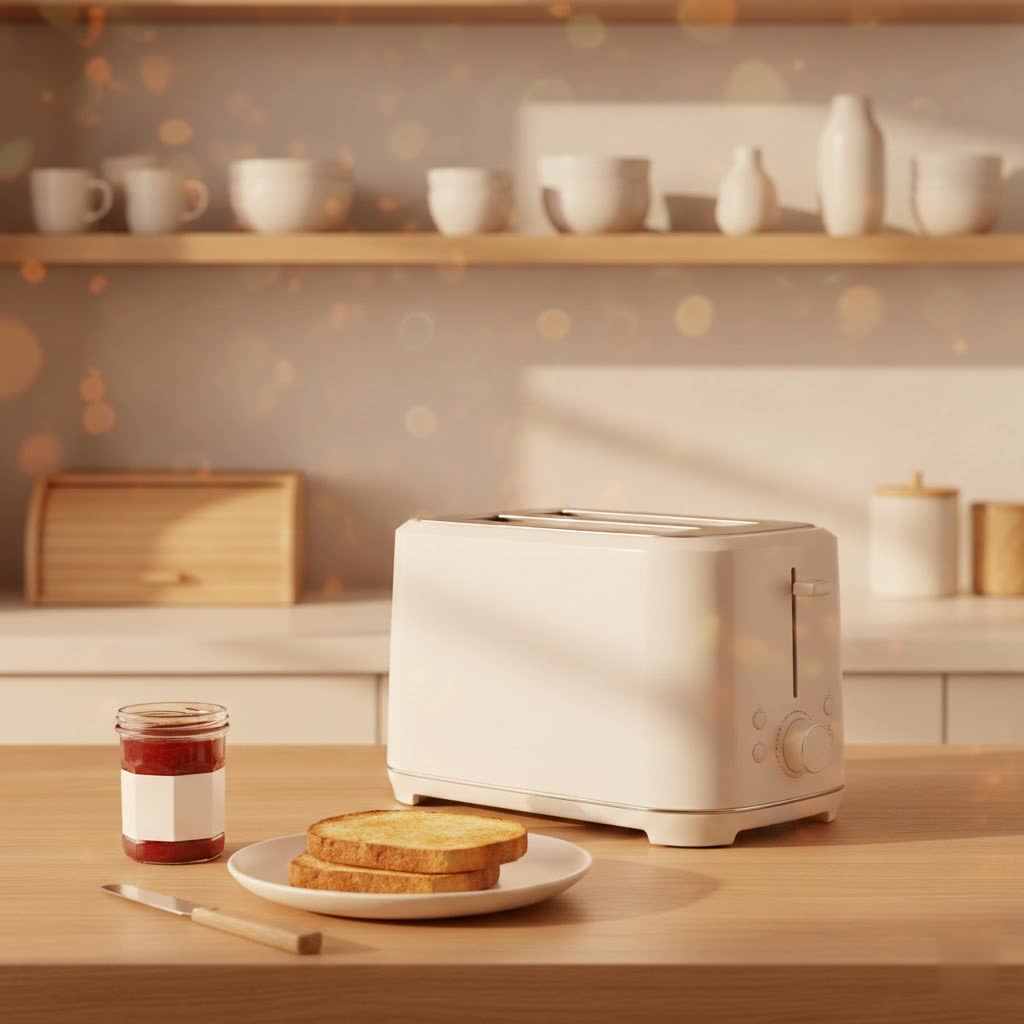
There’s a simple pleasure in a perfectly toasted slice of bread – that satisfying crunch, the warm, golden-brown surface, and the promise of a delicious bite. Yet, too often, our morning ritual is marred by uneven results: one side perfectly seared while the other remains pale, or worse, burnt edges alongside a doughy center. If you’ve ever wondered why achieving consistent, even searing on both sides of your bread feels like a culinary challenge, you’re not alone. This comprehensive guide, informed by years of experience in toaster mechanics and performance, will explore the technology, features, and brands that truly deliver flawless toast every time, helping you make the most informed decision for your kitchen.
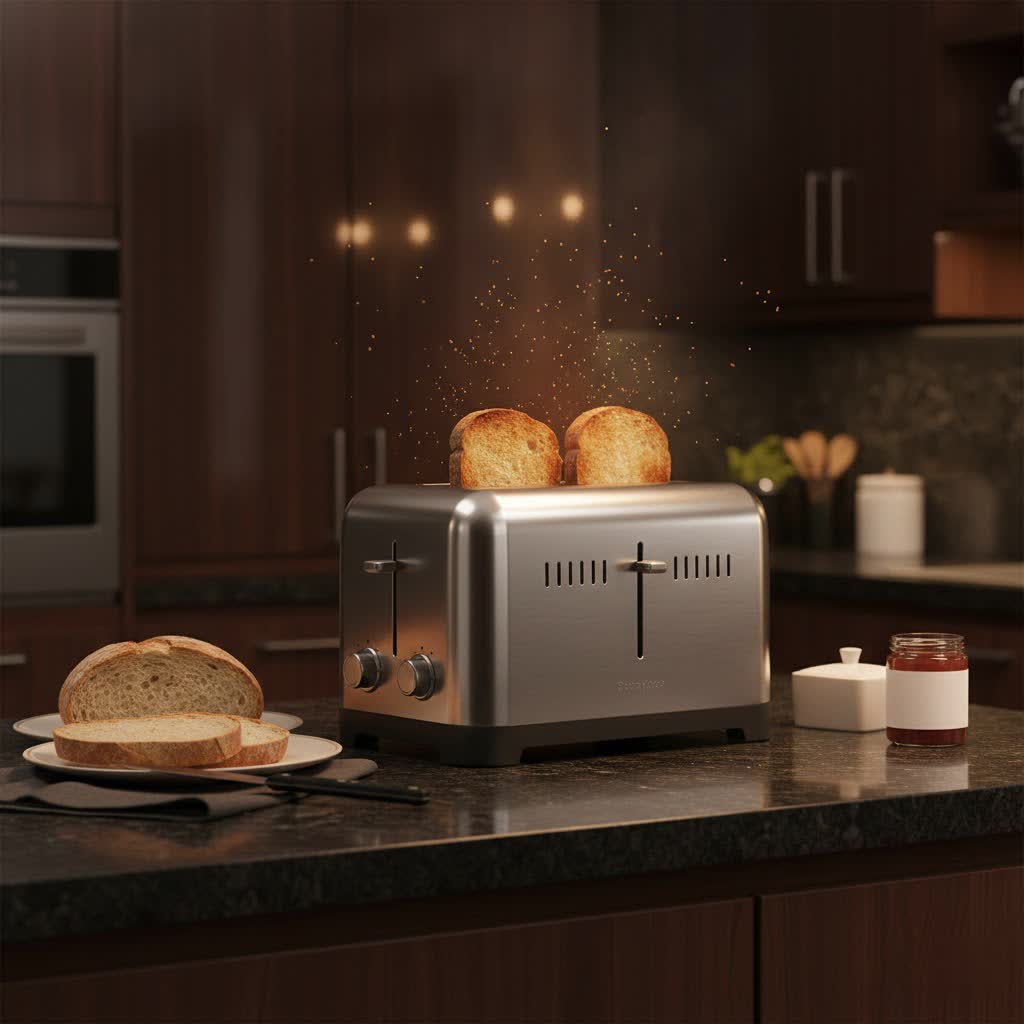
What is a Toaster and Why Does Even Searing Matter?
At its core, a toaster is a kitchen appliance designed to brown slices of bread and other similar food items by exposing them to radiant heat. The journey from a simple wire basket over an open flame to the smart, feature-rich devices we see today has been fascinating. The first commercial pop-up toaster, invented by Charles Strite in 1919, revolutionized breakfast by offering a hands-off, timed toasting experience. Since then, toasters have evolved, but their fundamental purpose remains: transforming soft bread into crispy, delicious toast.
Even searing isn’t just about aesthetics; it profoundly impacts the taste and texture of your toast. A uniformly golden-brown surface indicates that the bread’s starches have properly caramelized, creating a delightful crunch and enhanced flavor. Unevenly toasted bread, however, can be soggy, chewy, or have bitter, burnt spots that detract from the overall experience. For true toast aficionados, achieving that perfect, consistent brown on both sides is the hallmark of a superior toaster and a non-negotiable standard for culinary enjoyment.
Toasters primarily fall into a few categories:
- Pop-up Toasters: The most common type, featuring vertical slots where bread is lowered and then automatically ejected when done.
- Toaster Ovens: More versatile, these mini-ovens can toast, bake, broil, and sometimes even air fry, offering more control over larger or irregularly shaped items.
- Conveyor Toasters: Typically found in commercial settings, these continuously feed bread through a heating element for high-volume toasting.
The Science of Perfectly Even Toast: How Toasters Work
The magic behind toast lies in the precise application of heat. Most modern pop-up toasters utilize nichrome wire heating elements (an alloy of nickel and chromium) that resist electrical current, generating heat as electricity passes through them. These wires heat up, typically to around 500°F (260°C), and radiate this heat directly onto the bread. This process causes moisture in the bread to evaporate and the sugars to caramelize, resulting in the characteristic browning and crunch.
For truly even toasting, many high-quality toasters also employ infrared radiation. This type of electromagnetic radiation efficiently transfers heat energy, penetrating the bread uniformly to ensure that the entire slice, not just the surface, receives consistent warmth. The careful positioning and calibration of these heating elements are critical for preventing hot spots and cold zones.
However, despite these technologies, uneven toasting can still be a frustrating reality. Common culprits include:
- Inconsistent Heating Elements: Cheaper toasters might have poorly designed or aged elements that don’t heat uniformly.
- Crumb Buildup: Accumulation of crumbs in the toaster can block heat distribution, leading to patchy results and even fire hazards.
- Bread Variability: Slices of bread can vary in moisture, sugar content, thickness, and even shape, all of which influence browning speed and consistency. Drier bread and bread with higher sugar content will toast faster.
- Temperature Fluctuations: Some toasters struggle to maintain consistent temperatures across multiple batches, resulting in darker toast with successive uses.
Advanced toaster technologies aim to combat these issues. Some premium models feature optic sensors that scan the bread’s surface multiple times a second, adjusting the toasting cycle in real-time to ensure it reaches the selected shade level precisely. Other designs incorporate quartz heating elements, which some experts suggest provide a more fundamentally even heat distribution than traditional nichrome wires.
Key Factors to Consider When Buying a Toaster for Even Browning
Choosing the right toaster can feel overwhelming with the myriad of options available. To ensure you select a model that consistently delivers evenly seared bread, focus on these critical factors:
Toaster Type
- Slot Toasters (Pop-up): Ideal for daily toast and bagels, these are generally compact and quick. Look for models with self-centering guides that hold slices equidistant from the heating elements for uniform browning.
- Toaster Ovens: Offer greater versatility for larger, thicker, or irregularly shaped bread (like artisanal sourdough). While they might take slightly longer, many users find they offer more control and achieve excellent evenness across the entire slice due to the enclosed, circulating heat.
- Long Slot Toasters: These pop-up models are designed to accommodate longer or wider slices of artisanal bread that might not fit in standard slots, preventing the dreaded untoasted “white strip” at the top.
Slot Quantity and Size
Consider your household’s needs. A 2-slice toaster is perfect for individuals or couples, while a 4-slice toaster is better for families or those who frequently entertain. More importantly, check the width and depth of the slots. Extra-wide slots are essential for thick bagels, waffles, and hand-cut artisanal bread, ensuring they fit without jamming and receive even heat distribution. Shallow slots often leave the top portion of taller bread slices untoasted.
Size and Design
Toasters come in various footprints and aesthetics. Measure your counter space and choose a design that complements your kitchen. Materials like stainless steel tend to be more durable and can contribute to better heat retention, though many high-performing models use quality plastics.
Special Features for Even Searing
Modern toasters boast an array of features that can significantly enhance browning consistency:
- Shade Settings: A wider range of browning levels (e.g., 7 or more) allows for more precise control over your toast’s darkness, catering to individual preferences.
- “Lift and Look” or “Peek” Function: This convenient feature lets you momentarily raise the bread carriage to check browning progress without interrupting the cycle, preventing over or under-toasting.
- “A Bit More” Button: If your toast isn’t quite dark enough, this button adds a short, extra burst of heat without having to restart a full cycle, a boon for fine-tuning.
- Defrost Function: Thaws frozen bread before toasting, ensuring it cooks evenly rather than scorching the outside while the inside remains cold.
- Bagel Function: Activates heating elements on only one side, toasting the cut side of a bagel to a perfect crisp while gently warming the crust side.
- Self-Centering Guides: Crucial for holding bread slices in the optimal position, ensuring they are evenly spaced between the heating elements.
- Automatic Shut-off: A safety feature that turns off the toaster even if bread jams.
- Removable Crumb Tray: Essential for easy cleaning, which directly impacts consistent performance and prevents burnt crumbs from affecting the taste.
Brand and Price
While high-end models often offer more advanced features and robust construction, price doesn’t always directly correlate with even toasting performance. Some budget-friendly toasters can surprisingly outperform their pricier counterparts in this specific metric. Reputable brands known for innovation and quality tend to offer better consistency, but it’s always wise to consult reviews that specifically address even browning.
Top Toasters for Flawless Even Searing
Based on expert reviews and user feedback, several toasters consistently rise to the top for their ability to deliver exceptional, even browning on both sides of the bread.
-
Breville Toasters (e.g., The Toast Select Luxe, Die-Cast Smart Toaster, “A Bit More” Toaster, Eye Q Toaster): Breville frequently earns high marks for its consistent performance. Models like the “Toast Select Luxe” are praised for even browning from end to end and on both sides, often featuring precise shade dials and dedicated settings for different bread types like sourdough. The “Eye Q Toaster” uses optic sensors to monitor toast color in real-time, delivering precise, consistent results. “Breville’s commitment to precision toasting, with features like ‘Lift and Look’ and smart sensors, truly sets a new standard for evenness,” remarks a leading culinary tech expert.
-
Smeg 2-Slice Toaster: Beyond its iconic retro design, Smeg often delivers reliable and even toasting performance. Its wide, deep slots accommodate various bread types, and it provides a good range of browning options. While it might lack some of the advanced digital features of other premium brands, its core toasting function is highly regarded for consistency.
-
Panasonic FlashXpress Toaster Oven: This toaster oven is often highlighted for its speed and remarkable ability to brown bread evenly, regardless of how many slices are placed inside. Its infrared heating technology contributes to its consistent performance, making it a strong contender if you prefer a toaster oven’s versatility.
-
Black+Decker 2-Slice Toaster (e.g., T2569B): Surprisingly, some budget-friendly Black+Decker models have received praise for their consistent browning. The T2569B, for instance, is noted for delivering consistent browning across the entire slice at a fraction of the cost of premium alternatives. This demonstrates that excellent performance doesn’t always require a hefty price tag.
-
Dualit Classic Toasters: While a significant investment, Dualit toasters are known for their robust, repairable construction and exceptional longevity. Many users attest to their superior and consistent toasting performance over decades, making them a worthwhile choice for those prioritizing durability and ultimate reliability. They often feature manual lift, which some users prefer for better control.
-
Dash Clear View Toaster: This unique toaster features a transparent window and often utilizes quartz tube heating elements. Users appreciate the ability to visually monitor the toasting process, and some report that the quartz elements contribute to more even browning compared to traditional nichrome wires.
Master Your Toaster: Tips for Achieving Consistent Results
Even the best toaster can benefit from good user practices. Here are some expert tips to ensure your bread achieves that perfect, even sear every time:
- Select the Right Bread: Choose uniformly sliced bread. Irregularly cut, very thick, or very thin slices will toast unevenly. Breads with high sugar content (like brioche) brown faster and may require a lower setting.
- Ensure Proper Fit: Never force bread into slots. If a slice is too large or thick, consider using a long-slot toaster or a toaster oven to ensure all surfaces are exposed to heat.
- Clean Your Crumb Tray Regularly: This is paramount. Accumulated crumbs can create hot spots, obstruct heating elements, and even lead to smoke or fire. A clean toaster ensures unobstructed, even heat distribution.
- Understand Your Settings: Experiment with your toaster’s shade settings. Start in the middle and adjust up or down based on your preferred doneness and the type of bread. Don’t be afraid to use features like “defrost” for frozen items or “bagel” for optimal results.
- Preheat (Sometimes): For the most consistent results, especially if making multiple batches, running an empty cycle or toasting a sacrificial slice first can help the toaster reach a stable operating temperature. For subsequent batches, you might need to slightly lower the shade setting as the toaster will be hotter.
- Don’t Overload: While a 4-slice toaster has four slots, remember that some cheaper models might struggle with evenness when all slots are simultaneously in use.
- Consider Alternatives for Specialty Breads: For very thick artisanal loaves or unusual shapes, a high-quality toaster oven or even an air fryer might offer superior control and more consistent, even browning than a traditional pop-up toaster.
“The secret to truly great toast isn’t just the toaster; it’s understanding how to work with your appliance and your bread to create a consistent, satisfying experience.” – Admin, ReviewOrx.com, Toaster Technology Specialist
Conclusion: Your Guide to Toasting Perfection
The quest for perfectly seared toast, golden-brown and crispy on both sides, is a noble one, and entirely achievable with the right toaster and a few smart habits. By understanding the underlying technology, prioritizing features like wide slots and precise browning controls, and maintaining your appliance, you can elevate your breakfast experience from frustratingly uneven to consistently sublime.
Whether you opt for a smart toaster with advanced sensors, a robust and classic workhorse, or a versatile toaster oven, the key is to invest in a model known for its consistent heat distribution. Don’t settle for uneven results when the perfect slice is within reach. Which toaster will revolutionize your morning routine?
Frequently Asked Questions
Why does my toaster only toast one side of the bread evenly?
Uneven toasting on one side can often be attributed to older or faulty heating elements, poor design where elements are not evenly spaced, or a dirty crumb tray obstructing heat. Some toasters have a “bagel” setting that intentionally toasts only one side, so ensure this isn’t activated.
Do more expensive toasters always toast bread more evenly?
Not necessarily. While premium toasters often include advanced features and better build quality that can lead to more consistent toasting, some budget-friendly models surprisingly perform very well in terms of evenness. Always check specific reviews for toasting consistency rather than relying solely on price.
Can I fix an old toaster that toasts unevenly?
For most modern toasters, significant unevenness is often due to internal heating element issues or design flaws that are not easily repairable by a home user. Regular cleaning of the crumb tray can improve performance, but if the issue persists, replacement is usually the best option.
What is “self-centering” and how does it help with even searing?
Self-centering guides are internal mechanisms within the toaster slots that automatically grip and position the bread slice in the center of the slot, ensuring it remains equidistant from both heating elements. This uniform spacing is crucial for achieving even browning on both sides of the toast.
How often should I clean my toaster’s crumb tray?
For optimal performance and safety, it’s recommended to empty and clean your toaster’s crumb tray at least once a week, or more frequently if you use your toaster daily or toast crumbly breads. This prevents crumb buildup which can cause uneven heating and fire hazards.