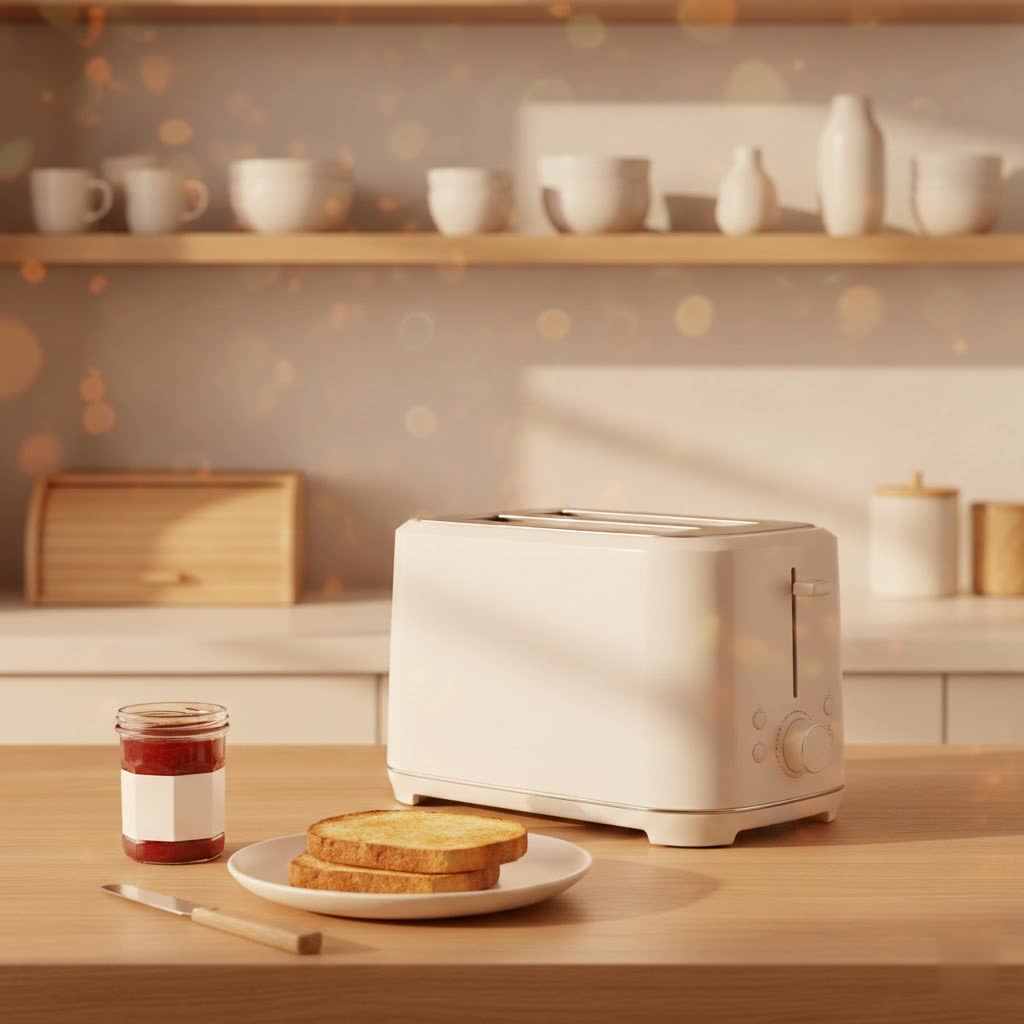
In the bustling world of kitchen appliances, two countertop titans often vie for a spot: the humble standard toaster and the versatile toaster oven. While both promise perfectly browned bread, their performance, capabilities, and overall utility diverge significantly. For many, the choice isn’t just about making toast; it’s about optimizing kitchen efficiency, embracing culinary creativity, and fitting an appliance into a specific lifestyle. As a seasoned kitchen technician with over a decade of experience, I’ve seen these machines evolve, and understanding their core differences is key to making an informed decision. This comprehensive guide will slice through the debate, comparing their performance metrics, features, and practical considerations to help you choose the best fit for your home.
Understanding Toasters and Toaster Ovens: Essential Kitchen Companions
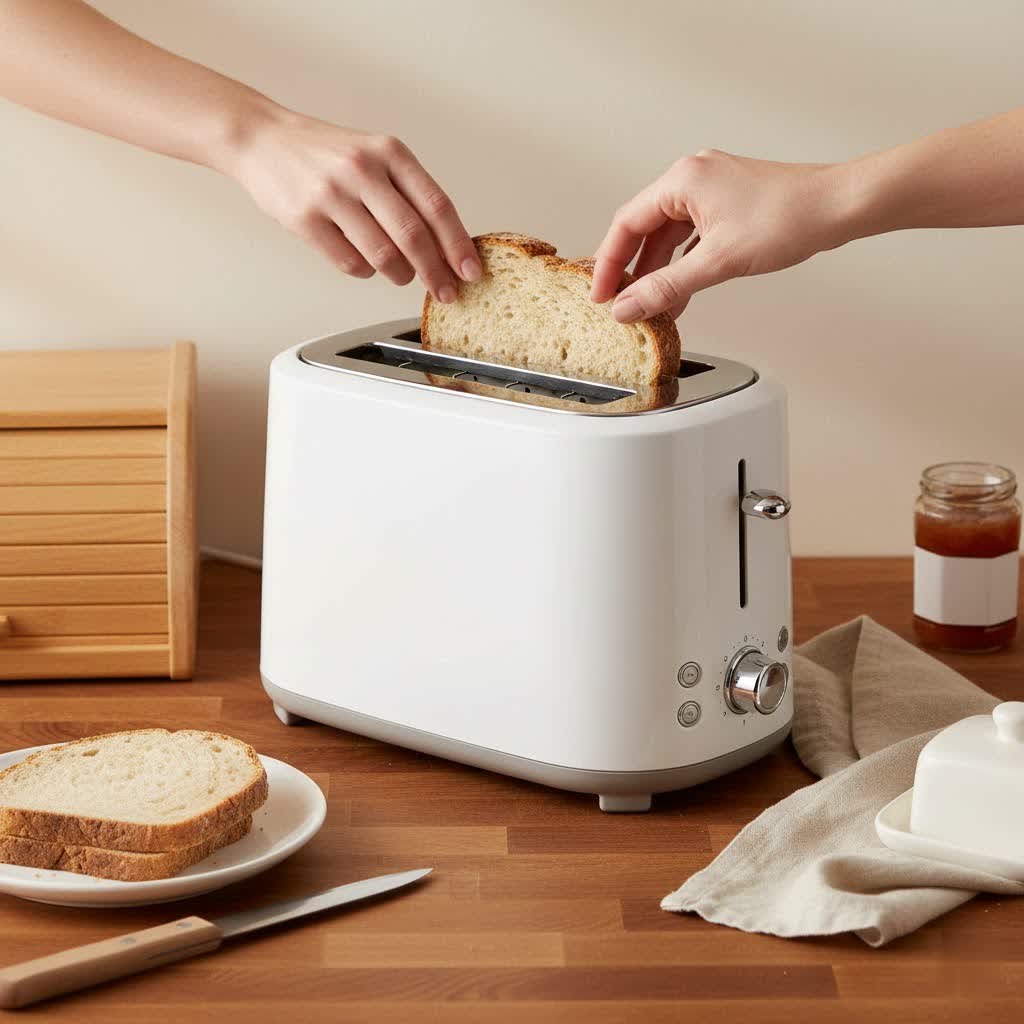
At its core, a standard toaster, often referred to as a pop-up toaster, is a specialized appliance designed for one primary task: rapidly browning slices of bread. Typically featuring vertical slots, these compact units use intense radiant heat to crisp bread to your desired shade, popping it up when ready. Their history dates back to the early 20th century, evolving from basic wire cages to sophisticated models with varied settings.
A toaster oven, on the other hand, is a miniature version of a conventional oven, designed to sit on your countertop. It boasts a front-opening door and a rack, allowing for more diverse cooking tasks than just toasting. Modern toaster ovens have expanded their repertoire far beyond simple toast, often incorporating features like baking, broiling, and even air frying, blurring the lines between specialized toasters and larger countertop ovens. This evolution has made them indispensable for small meals and quick kitchen jobs.
Performance Showdown: Speed, Evenness, and Versatility
When comparing a standard toaster and a toaster oven, their performance in key areas like speed, evenness, and overall versatility reveals distinct advantages and disadvantages for each.
Toasting Speed and Efficiency
Table is empty.For sheer speed in producing toast, the standard toaster reigns supreme. Designed with direct, high-intensity heating elements surrounding the bread, it can typically deliver perfectly browned slices in as little as 1 to 3 minutes. This rapid performance makes it an ideal choice for busy mornings or when you need a quick snack, ensuring minimal waiting time.
Conversely, a toaster oven takes longer to achieve the same result. Because it must preheat a larger internal cavity, the toasting process can take anywhere from 4 to 6 minutes for a single slice. While this may seem like a minor difference, it can add up when preparing multiple servings, impacting the efficiency of your morning routine.
Toasting Evenness and Quality
The ability to achieve consistent, even browning is a hallmark of good toasting. Standard toasters are often praised for their superior consistency, especially with uniformly sliced factory bread. The direct contact with heating elements on both sides ensures that each surface crisps simultaneously, resulting in a perfectly golden-brown slice with a satisfying texture.
Toaster ovens, while versatile, can sometimes be less consistent in their toasting performance. The evenness can be affected by factors such as the distance between the rack and the heating elements, the speed at which the oven heats, and the number of slices placed inside. You might find yourself needing to flip bread or rotate items to ensure uniform browning. However, advanced models, particularly those with convection features, often offer significantly improved toasting consistency, sometimes even surpassing traditional slot toasters in evenness for various bread types.
Beyond Toast: Versatility and Cooking Capabilities
Here, the toaster oven truly shines, distinguishing itself as a multi-functional kitchen powerhouse. While a standard toaster is limited to items that fit vertically into its slots – primarily bread, bagels, and toaster pastries – a toaster oven offers a much broader range of culinary possibilities. You can bake small batches of cookies, roast vegetables, broil cheese on open-face sandwiches, reheat leftovers, warm up pizza slices, and even air fry in many modern units. Its oven-like functionality makes it a go-to for tasks that would otherwise require a full-sized oven, offering convenience and energy savings for smaller meals.
A standard toaster, by design, is a specialized appliance. Its utility is confined to browning and crisping bread-like items, making it less suitable for varied cooking needs. If your kitchen routine primarily involves toast and similar quick-bread preparations, its focused design is an advantage. If you envision a single appliance handling a wider array of cooking tasks, the toaster oven offers unparalleled flexibility.
Key Factors to Consider When Choosing
Making the right choice between a standard toaster and a toaster oven extends beyond just their core toasting performance. Several practical factors can influence which appliance best suits your kitchen and lifestyle.
Size and Countertop Footprint
The physical dimensions of an appliance are crucial, especially in kitchens with limited space. Standard toasters are celebrated for their compact design and minimal countertop footprint. They are typically lightweight and can be easily tucked away in a cupboard or drawer when not in use, making them ideal for smaller apartments, dorm rooms, or kitchens where every inch counts.
In contrast, toaster ovens are considerably bulkier and heavier. They demand a more significant permanent space on your countertop due to their oven-like structure. While their expanded functionality might justify the space for many, it’s a critical consideration for those with restricted kitchen real estate. Modern designs offer varying sizes, from compact models to larger “countertop ovens” that can roast a small chicken.
Energy Consumption and Cost Efficiency
When it comes to energy use for simple toasting, a standard toaster is generally more energy-efficient. It focuses intense heat directly on the bread for a short period, typically using between 800-1500 watts per toasting cycle. For daily toast, it consumes less electricity.
A toaster oven typically uses more wattage, ranging from 1200-1800 watts, and has longer heating times. However, its energy efficiency truly stands out when compared to a full-sized oven. For small baking, roasting, or reheating tasks, a toaster oven uses significantly less energy than a large conventional oven, which requires much more power and time to heat its expansive interior. So, while it’s less efficient than a pop-up toaster for toast, it’s a major energy saver for oven-related cooking tasks, potentially reducing your electric bill if frequently used instead of a larger oven.
Special Features and Settings
Both appliance types have evolved to include a range of features that enhance their utility. Standard toasters often come with:
- Bagel settings: Toasting only one side of a bagel for a crispy cut surface and soft exterior.
- Defrost functions: Gently thawing frozen bread before toasting.
- Reheat options: Warming toast without further browning.
- Multiple browning levels: Giving you precise control over your toast’s shade.
- Extra-wide slots: Accommodating thicker slices and artisanal breads.
Toaster ovens offer a broader spectrum of advanced features, reflecting their versatility:
- Convection cooking: Circulating hot air for faster and more even cooking.
- Digital controls and presets: Specific settings for pizza, cookies, frozen foods, or even toast, often with precise temperature and time adjustments.
- Broil and bake functions: Mimicking a full-sized oven for various recipes.
- Keep warm settings: Holding food at an optimal temperature.
- Air fry and dehydrate modes: Expanding their cooking capabilities even further.
Durability, Maintenance, and Price
The durability of both appliances can vary greatly depending on the brand and build quality. Generally, simpler standard toasters with fewer moving parts tend to be robust. Cleaning is usually straightforward, involving a removable crumb tray for easy disposal of crumbs. They are typically the more budget-friendly option, with basic models being quite affordable.
Toaster ovens, being more complex, might have more components prone to wear. Cleaning can be more involved, requiring you to wipe down interior walls, racks, and baking pans, which can accumulate grease and food splatters. Due to their extended functionality and larger size, toaster ovens are generally more expensive than standard toasters, with prices increasing significantly for models with advanced features like convection or air frying.
“When choosing a kitchen appliance, always weigh initial cost against long-term utility. A pricier toaster oven might save you money on electricity if it replaces a full-sized oven for small meals.” – Chef Elena Rodriguez, Culinary Technology Expert
Top Toaster and Toaster Oven Models: A Comparative Look
While I cannot provide a real-time, comprehensive table of specific models and their current market prices, I can outline what to look for in top-performing appliances based on user needs and expert reviews.
For standard toasters, the best models prioritize rapid, even browning and ease of use. Look for features like wide slots for diverse bread types, accurate shade settings, and a high-lift lever to safely retrieve smaller items. Some premium toasters incorporate smart technology for more consistent results or specific bagel functions. Brands known for reliable pop-up toasters often focus on durability and straightforward design.
In the toaster oven category, top models distinguish themselves through advanced cooking functions and consistent performance across multiple modes. Look for powerful convection fans, precise digital temperature controls, and a variety of preset functions (e.g., bake, broil, roast, air fry, pizza). Capacity is also a key differentiator, with larger models accommodating more food, such as a 12-inch pizza or a small whole chicken. Brands often integrate user-friendly interfaces and robust construction. The ideal toaster oven will offer even baking and broiling, effectively preheat quickly, and deliver crisp results when air frying.
Maximizing Your Appliance: Usage and Care Tips
Proper usage and maintenance are crucial for prolonging the life and ensuring the optimal performance of both your toaster and toaster oven.
For standard toasters:
- Safe Operation: Never force oversized items into slots, as this can damage heating elements or cause a fire. Avoid inserting foil-wrapped items or plastics.
- Cleaning: Regularly empty the crumb tray to prevent accumulation, which can be a fire hazard. Unplug the toaster and wipe down the exterior with a damp cloth; never immerse it in water.
- Troubleshooting: If toast is uneven, try using thinner, more uniform slices. If it’s not browning, ensure it’s plugged in and the shade setting is appropriate.
For toaster ovens:
- Safe Operation: Always use oven-safe bakeware and ensure adequate clearance around the appliance for ventilation. Never line the crumb tray or bottom with foil, as it can interfere with heating or create a fire risk. Avoid cooking excessively greasy foods that can splatter and cause smoke.
- Cleaning: After each use, allow the oven to cool, then remove and wash the racks and baking pan. Wipe the interior with a damp cloth and mild detergent, paying special attention to spills. Regularly clean the crumb tray.
- Troubleshooting: If food is cooking unevenly, try rotating it halfway through or adjusting rack positions. If it’s taking too long, ensure the correct temperature and function are selected, and allow for proper preheating.
Making the Right Choice: Tailoring to Your Kitchen Needs
Deciding between a standard toaster and a toaster oven ultimately boils down to your individual needs, cooking habits, and kitchen environment.
First, assess your daily routine. Do you primarily need quick, consistent toast for breakfast? A standard toaster is likely your most efficient and cost-effective solution. If you regularly prepare small meals, bake single-serving dishes, or reheat leftovers, a toaster oven offers unmatched versatility and could significantly reduce your reliance on a larger, more energy-intensive conventional oven.
Next, consider your budget. Standard toasters are generally less expensive, making them an accessible choice. Toaster ovens, with their broader functionality, typically come with a higher price tag. However, view it as an investment in a multi-purpose appliance that can perform several kitchen tasks.
Space availability is another critical factor. If your kitchen counter space is precious and storage is limited, the compact design of a pop-up toaster will be more practical. For those with more room, a toaster oven can become a central appliance, almost a mini-kitchen in itself.
Finally, think about future needs. Do you anticipate needing air frying capabilities, or do you frequently bake small batches? Modern toaster ovens with advanced features can adapt to evolving culinary interests.
Conclusion
The choice between a standard toaster and a toaster oven is more than a simple appliance purchase; it’s a decision about optimizing your kitchen’s efficiency and capabilities. The standard toaster excels in speed and consistency for traditional toast, offering a compact and energy-efficient solution for quick mornings. Meanwhile, the toaster oven emerges as a champion of versatility, transforming into a miniature oven, broiler, and often an air fryer, perfect for small meals and diverse cooking tasks, all while being more energy-efficient than a full-sized oven for such jobs.
Ultimately, the best appliance is the one that aligns with your lifestyle, available space, and culinary ambitions. Consider how often you make toast versus how often you might bake, broil, or reheat. Investing in the right tool will not only enhance your kitchen’s functionality but also bring efficiency and enjoyment to your daily cooking. Which appliance will earn its permanent spot on your countertop?
Frequently Asked Questions
Can a toaster oven entirely replace a standard toaster?
While a toaster oven can certainly toast bread, it generally takes longer and may not always achieve the same level of even crispness as a dedicated pop-up toaster. For quick, consistent toast, a standard toaster often performs better, but a toaster oven’s versatility makes it a viable alternative if you prioritize multiple cooking functions in one appliance.
Is a toaster oven more energy-efficient than a regular oven for small meals?
Yes, a toaster oven is significantly more energy-efficient than a full-sized conventional oven for preparing small meals, baking single dishes, or reheating leftovers. Its smaller internal cavity requires less energy and preheating time, leading to lower electricity consumption for these tasks compared to heating a large oven.
What are the main limitations of a standard toaster?
The primary limitation of a standard toaster is its lack of versatility. It is designed almost exclusively for toasting sliced bread and similar items that fit into its slots. It cannot bake, broil, roast, or reheat larger items, making it a single-purpose appliance in comparison to a toaster oven.
What foods should I avoid cooking in a toaster oven?
It is best to avoid cooking extremely greasy or oily foods in a toaster oven, as splatters can cause smoke or even fire. Additionally, plastic containers should never be used, as they can melt or ignite. Foods requiring very precise temperature control, like delicate soufflés, might also be challenging due to the toaster oven’s smaller, more intense heating.
How long does a toaster oven typically take to toast bread compared to a pop-up toaster?
A toaster oven typically takes longer to toast bread than a pop-up toaster. A standard toaster can toast bread in 1-3 minutes, while a toaster oven usually requires 4-6 minutes for the same task, as it needs to preheat its larger chamber.