The quest for perfectly toasted bread is a culinary pursuit many of us undertake daily. That ideal slice, with its inviting golden-brown hue and satisfying crunch, elevates a simple breakfast or snack into a delightful experience. Yet, consistently achieving this level of perfection can feel like an art form, often ending in bread that is either too pale and soft or disappointingly burnt. This article delves into the fascinating science and practical techniques behind mastering the golden-brown shade on your toast, ensuring every bite is just right.
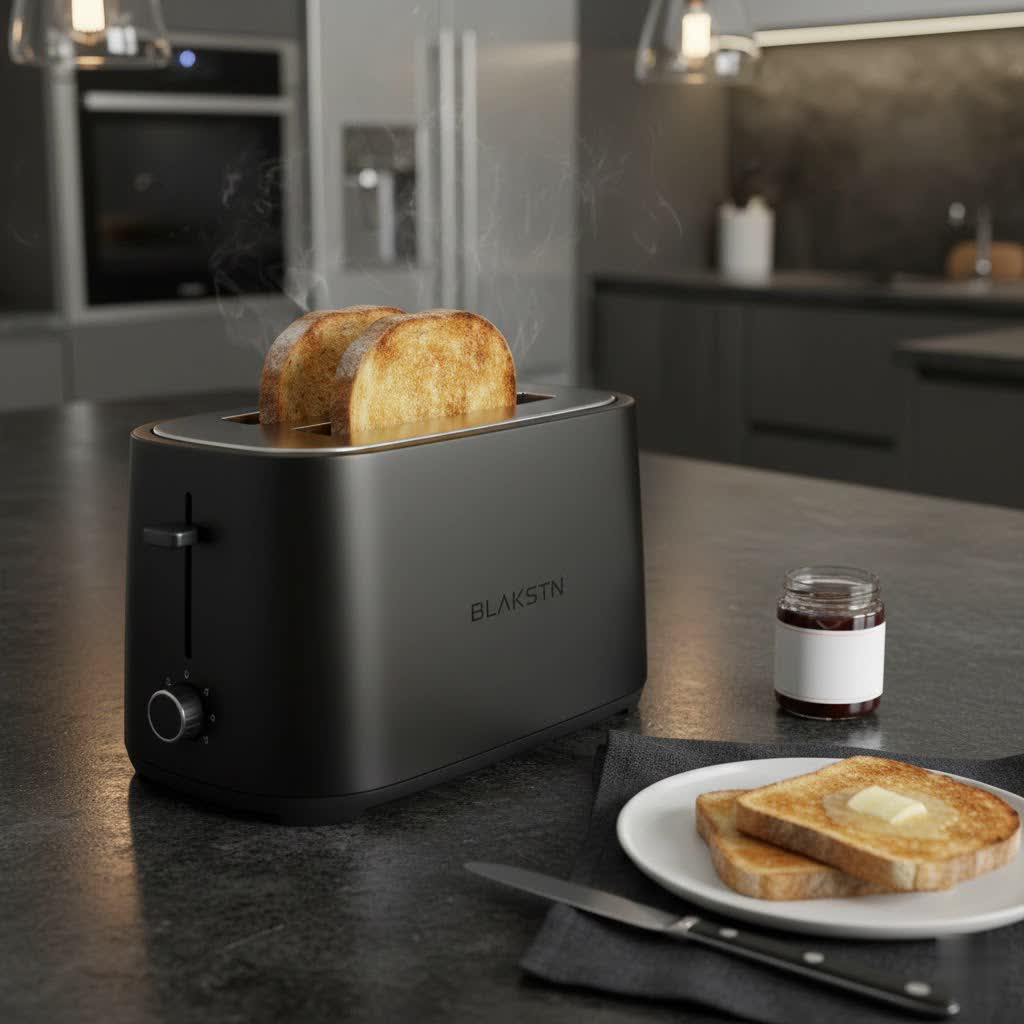
The Science Behind Golden Brown Toast: Unlocking the Maillard Reaction
What truly transforms a plain slice of bread into a fragrant, golden-brown delight? It’s a complex chemical process known as the Maillard reaction. This non-enzymatic browning reaction occurs when amino acids (proteins) and reducing sugars (carbohydrates) present in the bread interact under high, dry heat. Typically, this reaction flourishes at temperatures ranging from 120 to 160 degrees Celsius (250-350 degrees Fahrenheit), or at least 280°F.
The Maillard reaction is responsible for more than just the toast’s appealing color; it generates hundreds of new flavor compounds, contributing to the rich, savory, and caramel-like notes that we associate with toasted bread. Crucially, for this chemical transformation to take place effectively, the surface of the bread must dry out. The presence of excess moisture can significantly slow down or even halt the Maillard reaction, resulting in soggy or under-browned toast. While the surface undergoes these intense browning reactions, the interior of the bread ideally reaches around 75°C (167°F). This internal temperature helps to reverse retrogradation, the process that makes bread stale, ensuring the inside remains soft and warm without excessive moisture loss.
Understanding Your Toaster: Tools for Golden Perfection
Your toaster, whether a simple pop-up model or a versatile toaster oven, is the primary tool in your pursuit of golden-brown toast. Understanding how it operates is key to achieving consistent results. The main form of heat transfer in toasters is radiation, emitted from glowing heating elements. The browning dial on your toaster typically controls the duration and intensity of this radiant heat.
Different toaster types offer varying degrees of control. Pop-up toasters, for instance, are designed for quick, direct heat, often leading to rapid browning. Toaster ovens, on the other hand, provide a larger chamber and sometimes more precise temperature controls, allowing for greater flexibility, especially with thicker slices or specific browning needs. Regardless of the type, the principle of consistent heat application is paramount. Variations in the toaster’s heating elements or uneven placement of bread can lead to inconsistent results, with some areas browning more than others.
Essential Factors for Achieving the Ideal Golden Brown
Several factors beyond your toaster’s mechanics influence the final shade and texture of your toast. Mastering these elements will significantly improve your results.
Choosing the Right Bread
Table is empty.The type of bread you choose plays a crucial role in how it toasts. Breads with higher sugar or protein content tend to brown more readily due to an accelerated Maillard reaction. For example, enriched white breads might brown faster than a lean sourdough. Fresh bread, with its higher moisture content, will typically require a slightly longer toasting time to dry out its surface sufficiently for the Maillard reaction to kick in. Conversely, slightly stale bread may toast more quickly.
The thickness of your bread slices also matters. Thicker slices need more time to heat through to the desired internal temperature while preventing the exterior from burning. If a slice is too thick, the outside might reach a deep brown before the interior has adequately softened and warmed.
Mastering Toaster Settings
The browning dial on your toaster is your most direct control for achieving the perfect shade. It typically adjusts the toasting time or the heat intensity. Starting with a lower setting and gradually increasing it allows you to observe how different breads react and find your toaster’s “sweet spot.”
While most pop-up toasters don’t require preheating, some toaster ovens can benefit from a short preheat cycle to ensure a stable and consistent cooking environment. Many modern toasters also feature specialized functions:
- Defrost: This setting typically adds extra time at a lower heat to thaw frozen bread before initiating the browning cycle.
- Bagel: This function often toasts only one side of the bread (the cut side), preventing the outer crust from becoming overly hard. Understanding these functions can help you achieve targeted browning.
Evenness is Key: Techniques for Uniform Browning
One of the most frustrating toast dilemmas is uneven browning. This can often be attributed to how the bread is placed and how heat is distributed.
- Placement: Ensure slices are placed squarely in the toaster slots, not overlapping or touching the heating elements directly, which can cause burnt spots.
- Overcrowding: Avoid cramming too many slices into a toaster oven, as this can reduce air circulation and lead to uneven toasting.
- Flipping: For toaster ovens, occasionally flipping the toast halfway through can promote more uniform browning, similar to how you might rotate food in a conventional oven.
The Role of Moisture and Additives
As highlighted by the Maillard reaction, a dry surface is paramount for optimal browning. While you can’t drastically alter the moisture content of your bread before toasting, understanding its importance helps manage expectations, especially with fresh loaves.
For specific culinary applications, applying a thin layer of butter or oil can aid in achieving a crunchy crust and more uniform browning, particularly when pan-frying bread. For items baked in an oven, like garlic bread, an egg wash can contribute to a glossy, deep golden finish and enhanced browning.
Step-by-Step Guide to Perfectly Toasted Golden Brown Bread
Achieving your ideal golden-brown toast is a journey of understanding and subtle adjustments. Here’s a simple guide to help you get there:
- Select Your Bread: Choose bread that suits your preference, considering its freshness and thickness.
- Position Correctly: Place slices evenly in your toaster or toaster oven, ensuring they are not touching each other or the heating elements.
- Adjust Toaster Settings: Start with a medium setting if you’re unsure, or slightly lower for a new type of bread. Remember that every toaster varies.
- Monitor the Process: Don’t just set it and forget it. Keep an eye on your toast, especially as it approaches your desired shade. The browning can accelerate quickly.
- Consider the Two-Stage Method: For very moist or thicker breads, a two-stage approach can be beneficial. Start with a lower setting to gently dry out the bread, then increase the setting or re-toast briefly on a higher setting to achieve the final golden-brown color.
- Cool Slightly and Serve: Once toasted, remove the bread immediately. A brief moment on a wire rack can prevent steam from making the bottom soggy. Serve warm with your favorite toppings.
Troubleshooting Common Toasting Problems
Even with the best intentions, toast can sometimes go awry. Here’s how to address common issues:
- Uneven Browning: If one side or part of your toast is browner than the rest, it could be due to uneven heat distribution in your toaster or improper placement. Try rotating the bread in a toaster oven or switching slots in a pop-up toaster.
- Burnt Toast vs. Pale Toast: This is often a matter of time and temperature. Pale toast means the Maillard reaction hasn’t had enough time or heat. Burnt toast indicates it went too far, potentially leading to the formation of undesirable bitter flavors and compounds like acrylamide [search result 5]. Adjust your settings accordingly.
- Soggy Toast Interior: If your toast is crispy on the outside but still soft or chewy inside, it might be too thick, or the toasting time wasn’t long enough to warm the interior without over-browning the exterior. The two-stage method can help here.
- Why Some Bread Toasts Differently: The freshness, density, and ingredient list (especially sugar content) of bread can drastically alter toasting times and results. Don’t expect a fresh, dense artisan loaf to toast the same way as a thin slice of factory-made white bread.
Beyond the Toaster: Alternative Methods for Different Golden Hues
While the toaster is a staple, other methods can yield unique golden results. Pan-frying, for instance, involves toasting bread in a hot pan with oil or butter. This method can produce an exceptionally crispy, golden-brown crust with a rich, savory flavor that differs from toaster-made toast. Similarly, using an oven or broiler provides a larger capacity and allows for even browning, especially for items like garlic bread or large, thick slices that don’t fit well in a pop-up toaster. These methods rely on the same Maillard reaction principles but offer different textures and flavors due to direct contact with fat or more ambient heat.
Conclusion
The pursuit of the perfect golden-brown toast is deeply rooted in the fascinating science of the Maillard reaction, combined with an understanding of your equipment and bread. By recognizing how temperature, moisture, and bread composition interact, you can move beyond guesswork to consistently create toast that is not only visually appealing but also delivers on flavor and texture. Experiment with your toaster settings, pay attention to the type of bread you’re using, and don’t be afraid to try different techniques. The journey to perfect toast is a delicious one, and with these insights, you’re well on your way to enjoying beautifully browned slices every time.
What does your perfect golden-brown toast look like?
Frequently Asked Questions
Why does my toast brown unevenly?
Uneven browning often stems from inconsistent heat distribution within the toaster or improper placement of the bread. Heating elements can degrade over time, or bread slices might be too close to certain hot spots, leading to patches of darker and lighter areas.
Can I use any type of bread for golden brown toast?
While you can toast almost any bread, different types will yield varying golden-brown results. Breads with higher sugar or protein content tend to brown more effectively and quickly than those with less, requiring adjustments to your toaster settings.
What happens if I toast bread too long?
Toasting bread for too long can lead to a burnt, bitter taste and texture. Beyond flavor, excessive toasting can also result in the formation of undesirable compounds like acrylamide, making it less healthy.
Is it better to toast fresh or slightly stale bread?
Slightly stale bread often toasts more quickly and evenly because it has less moisture to evaporate. Fresh bread, while delicious, may require a slightly longer toasting cycle to achieve a truly golden and crispy exterior.
How does a toaster’s wattage affect browning?
A toaster’s wattage generally indicates its power and how quickly it can generate heat. Higher wattage toasters can reach optimal toasting temperatures faster, potentially leading to quicker and more consistent browning, but may also require a lower setting to prevent burning.