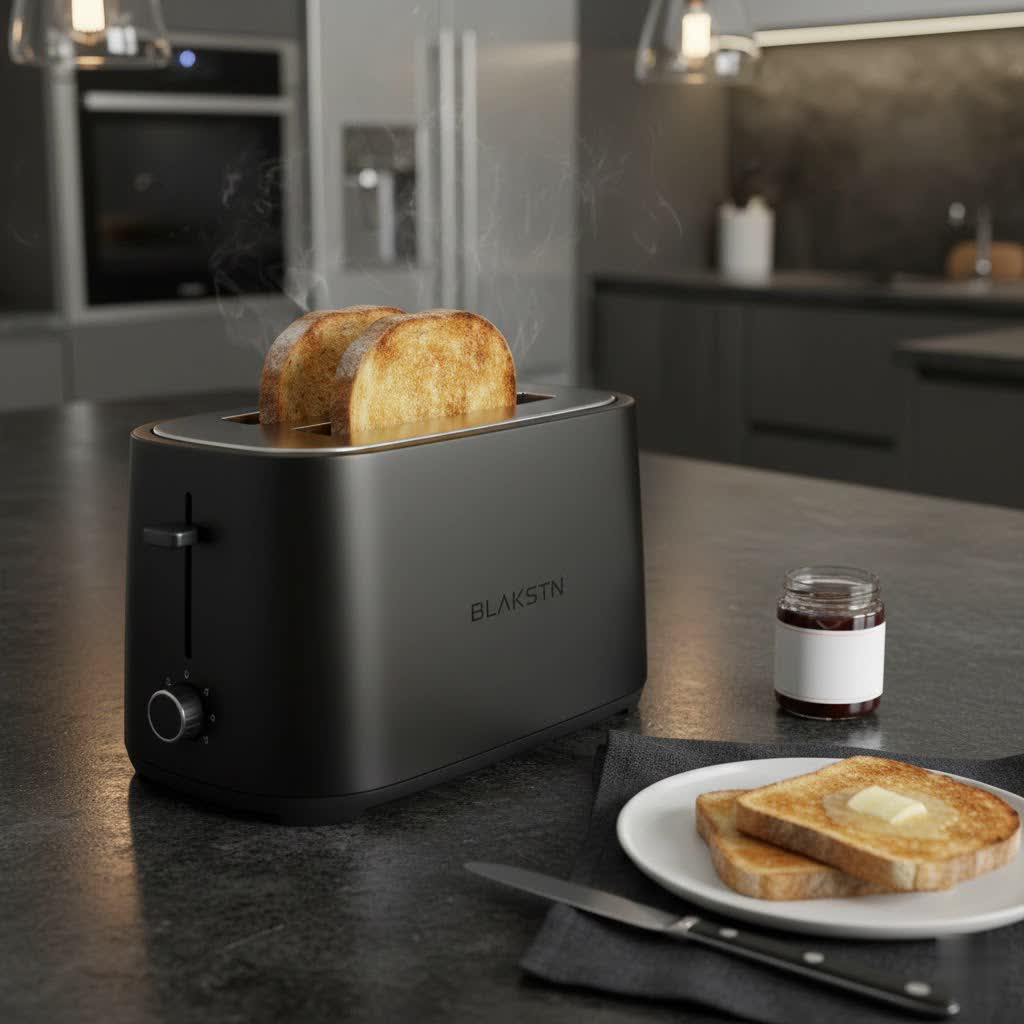
There’s nothing quite like the simple pleasure of a perfectly toasted slice of bread. Golden brown, evenly crisped, and ready to melt butter—it’s the cornerstone of many breakfasts. But what happens when your new toaster decides to play favorites, leaving one side perfectly browned while the other remains pale, or worse, burnt? As an admin for ReviewOrx.com with over a decade of hands-on experience in toaster repair and evaluation, I understand the frustration. This guide will walk you through precise methods to test your toaster’s consistency, identify common issues, and ensure every slice achieves breakfast perfection.
What is a Toaster and Why Do You Need Consistent Toasting?
A toaster is a small kitchen appliance designed to brown sliced bread by exposing it to radiant heat, transforming it into toast. Its basic utility is straightforward, yet the quality of its output can dramatically impact your morning meal. Consistent toasting means that every slice, regardless of its position in the slot or the cycle it’s put through, achieves the same level of browning on both sides. This isn’t just about aesthetics; unevenly toasted bread can be tough, soggy, or burnt, significantly diminishing the taste and texture of your breakfast. For a truly satisfying experience, your toaster should deliver reliable, uniform results time after time.
Essential Factors Affecting Toaster Consistency
Understanding what influences your toaster’s performance is the first step toward achieving consistent results. Several key factors contribute to how evenly and reliably your toaster functions.
Bread Type and Thickness
|
Our Picks for the Best Toaster in 2026
As an Amazon Associate I earn from qualifying purchases.
|
||
| Num | Product | Action |
|---|---|---|
| 1 | Cuisinart 4 Slice Compact Stainless Steel Toaster with Extra-Wide Slots for Bread, French Toast, Bagels & Pastries, Defrost & Reheat Functions, CPT-180P1, Brushed Stainless, Removable Crumb Tray |

|
| 2 | Elite Gourmet ECT-3100 4-Slice Long Slot Toaster | Extra Wide Slots for Bagels, Sourdough & Texas Toast | 6 Browning Settings | Reheat, Defrost & Cancel | Built-In Warming Rack | Stainless Steel |
|
| 3 | BLACK+DECKER 4-Slice Toaster, Extra Wide Slots, 7 Shade Settings, 1400 Watts, Frozen and Bagel Buttons, Toast Shade Selector, Extra Lift |
|
| 4 | bella 2 Slice Slim Toaster, Fits-anywhere™ Kitchenware, 6 Setting Shade Control with Reheat & Cancel Buttons, Fits Sourdough, 10” Long Slot, Anti Jam & Auto Shutoff, 900 Watt, Surf |
|
| 5 | Cuisinart CPT-122BK 2-Slice Compact Plastic Toaster, Slots for Bagels & Bread, 7 Shade Settings, Cancel/Defrost/Reheat Functions, Removable Crumb Tray, Small Kitchen Appliance for Home & Office, Black |
|
| 6 | Elite Gourmet 2-Slice Cool Touch Toaster – 6 Browning Levels, Extra Wide 1.25” Slots for Bagels & Thick Bread, Cancel Function, Compact, ETL Certified, Black |
|
| 7 | BLACK+DECKER® 2-Slice Toaster with 7 Toast Shade Settings, Extra-Wide Slots for Bagels, Stainless Steel Exterior Finish |
|
| 8 | Elite Gourmet ECT-1027 Cool Touch Toaster, 7 Toast Settings Cancel Functions, Slide Out Crumb Tray, Extra Wide 1.5" Slots for Bagels Waffles Specialty Breads, Puff Pastry, Snacks, White |
|
| 9 | Amazon Basics 2 Slice Toaster, Extra Wide Slots for Bagels, 6 Browning Settings, Removable Crumb Tray, Defrost/Cancel/Bagel Buttons, Cord Wrap, 900W, Black & Silver |
|
| 10 | bella 2 Slice Slim Toaster, Fits-anywhere™ Kitchenware, 6 Setting Shade Control with Reheat & Cancel Buttons, Fits sourdough, 10” Long Slot, Anti Jam & Auto Shutoff, 900 Watt, Oatmilk |
|
The type of bread you use plays a significant role in toasting consistency. Denser breads, those with higher moisture content, or very thick slices will absorb and retain heat differently than standard white bread. This can lead to variations in browning, with some areas appearing darker or lighter. For example, a thick slice might be golden on the outside but still soft in the center, while a thin slice might quickly burn. Specialty breads like sourdough or multigrain also react uniquely to heat, requiring different toaster settings or more attentive monitoring.
Toaster Cleanliness and Maintenance
A seemingly minor detail, crumb buildup, can be a major culprit behind inconsistent toasting. Accumulated crumbs and carbonized deposits inside the toaster create “hot spots” by insulating certain areas or blocking the even distribution of heat. This can cause localized burning or pale spots. Regular cleaning of the crumb tray and a gentle removal of debris from around the heating elements are essential maintenance steps to ensure unobstructed heat flow and prevent fire hazards.
Heating Element Integrity and Design
The heart of any toaster lies in its heating elements, typically nichrome wires. Over time, these wires can degrade, or in some cases, they might not be perfectly spaced or aligned from the factory, leading to inherent inconsistencies. If one side of an element wears out faster or is positioned closer to the bread carriage, it will heat more intensely, resulting in uneven browning. Budget toasters, in particular, may have less symmetrical heating coils or internal reflectors, which can inherently favor one side of the toast.
Bread Placement and Carriage Mechanism
How you place your bread in the slots can directly impact toasting evenness. If a slice is not centered or lies at a slight tilt due to a wobbly bread carriage, one side will inevitably be closer to the heating element. This proximity leads to increased exposure to heat, causing that side to brown faster and more intensely than the other. Ensuring the bread guides are parallel and the bread sits squarely in the slot is crucial for uniform heat distribution.
Environmental and Electrical Factors
While less common, external factors can also play a part. Fluctuations in household voltage can affect how consistently a toaster heats, especially in older models. A toaster’s internal thermostat might also be positioned in such a way that it triggers the pop-up mechanism based on the temperature of an empty slot or a specific section, leading to variations if only one slice is being toasted. The ambient room temperature can also subtly influence initial heating, although its effect is usually minor for typical home use.
Step-by-Step Guide to Testing Your Toaster’s Consistency
To accurately assess your new toaster’s performance, follow these systematic steps, starting with preparation and moving through various tests.
Preparation is Key
Before you begin, ensure your toaster is clean. Unplug it, remove and empty the crumb tray, and gently brush out any loose crumbs from the interior. This prevents existing debris from skewing your test results. For the most reliable evaluation, use a standard, fresh loaf of white sandwich bread. Avoid specialty or very thick breads for initial testing, as their unique properties can introduce variables. Familiarize yourself with your toaster’s settings, especially the browning dial, and aim to find an “optimal” medium setting that produces a light golden brown for standard toast.
The Standard White Bread Test
This is the cornerstone of consistency testing.
- Select a Setting: Choose a medium browning setting on your toaster, typically around the middle of the dial.
- Run Multiple Cycles: Toast two slices of the standard white bread in adjacent slots. Once complete, immediately place two new slices of bread into the same slots and toast them at the exact same setting. Repeat this for a total of at least four cycles. This helps evaluate the toaster’s “repeatability” — its ability to deliver consistent results cycle after cycle.
- Assess Browning Evenness: After each cycle, carefully examine the toasted slices. Look for:
- Uniform Color: Is the browning consistent across the entire surface of both sides of each slice?
- Hot Spots vs. Pale Spots: Are there any noticeably darker or lighter patches?
- Side-to-Side Comparison: Does one side of the toast consistently brown more than the other?
- Compare Cycle-to-Cycle: Lay out all the toasted slices from your four cycles. Do they all show a similar level of browning and evenness? Significant variations between cycles indicate poor consistency.
Specialized Bread Tests
Beyond standard toast, most modern toasters offer settings for specific items.
- Frozen Bread Test: Place a slice of frozen bread into the toaster and use the “defrost” or “frozen” setting, if available. Assess how well it thaws and toasts evenly.
- Bagel Test: If your toaster has a bagel setting (which typically toasts one side more intensely), test a sliced bagel. Examine if one side is perfectly toasted while the other is warmed but softer, as intended.
- Thicker Bread/Specialty Bread Test: Experiment with a thicker slice of bread or a specialty loaf at various settings to see how the toaster handles different densities and moisture levels. Note if you need to adjust settings dramatically to achieve a satisfactory result.
The “Cross-Section” Test
For a deeper insight into how well your toaster heats, perform this simple test. Once a slice is toasted to your preferred level, carefully cut it in half horizontally. Observe the cross-section. The internal crumb should feel warmed through, not cold or overly dry. This helps determine if the heat penetrates sufficiently without just scorching the surface.
Common Toaster Problems and Quick Fixes for Uneven Toasting
Encountering uneven toast can be frustrating, but many common issues have straightforward solutions.
Uneven Browning: Cleanliness is Key
If your toast consistently shows dark spots or areas of uneven browning, the most frequent culprit is accumulated crumbs and debris. These can block heat and create inconsistencies.
Quick Fix: Unplug your toaster, remove the crumb tray, and gently shake it upside down over a sink. Use a soft brush or a wooden stick (never metal!) to carefully dislodge any stubborn crumbs or carbonized bits stuck to the heating elements [cite: 2 (uneven troubleshooting)].
One Side Burnt, Other Pale: Element or Placement Issue
When one entire side of your toast is significantly darker or burnt while the other remains pale, it often points to an issue with the heating elements or bread placement.
Quick Fix: First, ensure your bread is inserted straight and centered within the slot. If the problem persists, inspect the heating elements (with the toaster unplugged) to see if any wires appear visibly damaged, bent, or are pressed too tightly against the toaster’s backing [cite: 4 (factors), 1 (factors)]. Sometimes, gently adjusting a slightly displaced element with a wooden skewer can help, but exercise extreme caution and always ensure the toaster is unplugged.
Inconsistent Results Cycle-to-Cycle: Element Wear or Thermostat Glitch
If the first two slices are perfect but subsequent batches are noticeably different (e.g., paler or darker), it might indicate degrading heating elements or a quirky thermostat.
Quick Fix: Allow the toaster to cool down completely between tests if you notice significant variations. Sometimes, the internal temperature can affect the thermostat. If the problem is persistent over time, especially with an older toaster, it could signal that the heating elements are nearing the end of their lifespan and losing their ability to maintain consistent heat output.
“A common misconception is that all toasters are created equal. However, design variations in heating element spacing and internal reflectors can significantly impact how evenly heat is distributed, often leading to natural hot spots in less expensive models.” – Admin, ReviewOrx.com
Tips for Achieving Perfectly Even Toast Every Time
Once you’ve tested your toaster, implement these tips to maximize its consistency and enjoy flawless toast.
- Always Keep it Clean: Make cleaning your toaster a regular habit. A clean crumb tray and clear internal elements ensure optimal heat distribution and prevent hotspots.
- Use Consistent Bread: Stick to a consistent type and thickness of bread, especially for your daily toast. This helps you dial in the perfect setting.
- Experiment with Settings: Don’t be afraid to adjust the browning dial. A setting that works for one type of bread might be too much or too little for another. Start in the middle and tweak as needed.
- Consider Toasting Two Slices: If your toaster struggles with evenness when toasting a single slice, try toasting two slices at a time, even if you only plan to eat one. This can help balance the heat distribution throughout the toaster [cite: 2 (factors)].
- Inspect Regularly: Occasionally peek into your toaster slots (unplugged, of course) to check for any visible issues with the heating elements or bread guides. Early detection can prevent persistent problems.
Conclusion
Testing the toasting consistency of your new toaster is a simple yet crucial step to ensure a lifetime of delicious breakfasts. By systematically evaluating its performance across different settings and bread types, you can quickly identify any quirks or inconsistencies. Remember that factors like crumb buildup, heating element health, and even your bread choice all play a part in the final result. With a clean toaster, smart usage, and a little observation, you can fine-tune your appliance to deliver that perfectly golden, consistently crisp toast you crave every single time. Take control of your mornings – your taste buds will thank you.
Frequently Asked Questions
Why does my toaster toast one side more than the other?
This is a very common issue that can be caused by several factors, including unevenly spaced or worn heating elements, a tilted bread carriage, or even the design of the toaster itself where internal heat is not perfectly symmetrical. Cleaning crumb buildup can sometimes resolve this, but sometimes it’s a design limitation.
Can crumb buildup really affect toasting consistency?
Absolutely. Accumulated crumbs can create “hot spots” by insulating parts of the heating elements or blocking airflow within the toaster. This disrupts the even distribution of heat, leading to patches of burnt toast or areas that remain pale. Regularly cleaning your crumb tray and removing internal debris is vital.
How often should I clean my toaster?
For optimal performance and safety, it’s recommended to clean your toaster’s crumb tray after every few uses or at least once a week if you use it daily. A more thorough internal cleaning (unplugged, using a soft brush) should be done monthly, or whenever you notice significant crumb accumulation or uneven toasting.
Is it normal for a new toaster to toast unevenly?
While a new toaster should ideally perform perfectly, some models, particularly budget-friendly ones, might exhibit slight inconsistencies due to manufacturing variances in heating element placement. It’s also possible that initial cycles are not representative until the elements have been used a few times. However, significant unevenness in a new toaster might indicate a defect.
Does the type of bread matter for toaster consistency?
Yes, the type of bread can significantly impact consistency. Denser breads, those with high moisture content (like fresh sourdough), or very thick slices will toast differently than standard white sandwich bread. These may require different settings or longer cycles to achieve even browning and internal warmth.