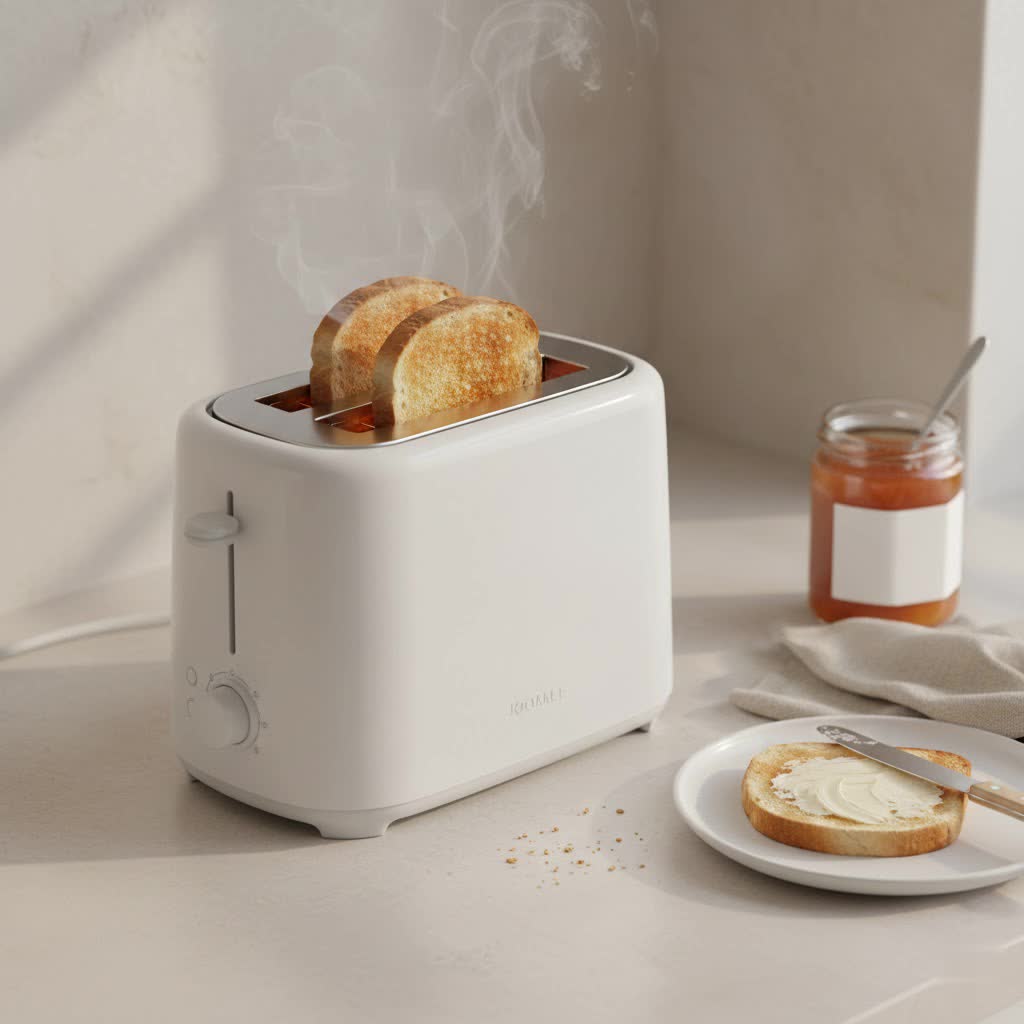
For generations, the humble toaster has been a cornerstone of breakfast routines worldwide, promising perfectly browned bread with minimal fuss. Yet, as our culinary preferences evolve, so too must our appliances. Gone are the days when a standard, thinly sliced loaf of white bread dominated the pantry. Today, the modern kitchen is a vibrant hub of artisan sourdough, thick-cut bagels, crusty homemade breads, and specialty pastries. This delightful expansion of bread culture has, by necessity, reshaped the design of an everyday essential: the toaster. Specifically, the once-uncommon 1.5-inch wide slot has emerged not just as a desirable feature, but as the new, indispensable standard for any discerning toast enthusiast. This wider design is no mere luxury; it is a fundamental adaptation, ensuring versatility, superior performance, and a frustration-free toasting experience for the diverse array of breads we now cherish.
What is a Toaster and Why Do You Need One?
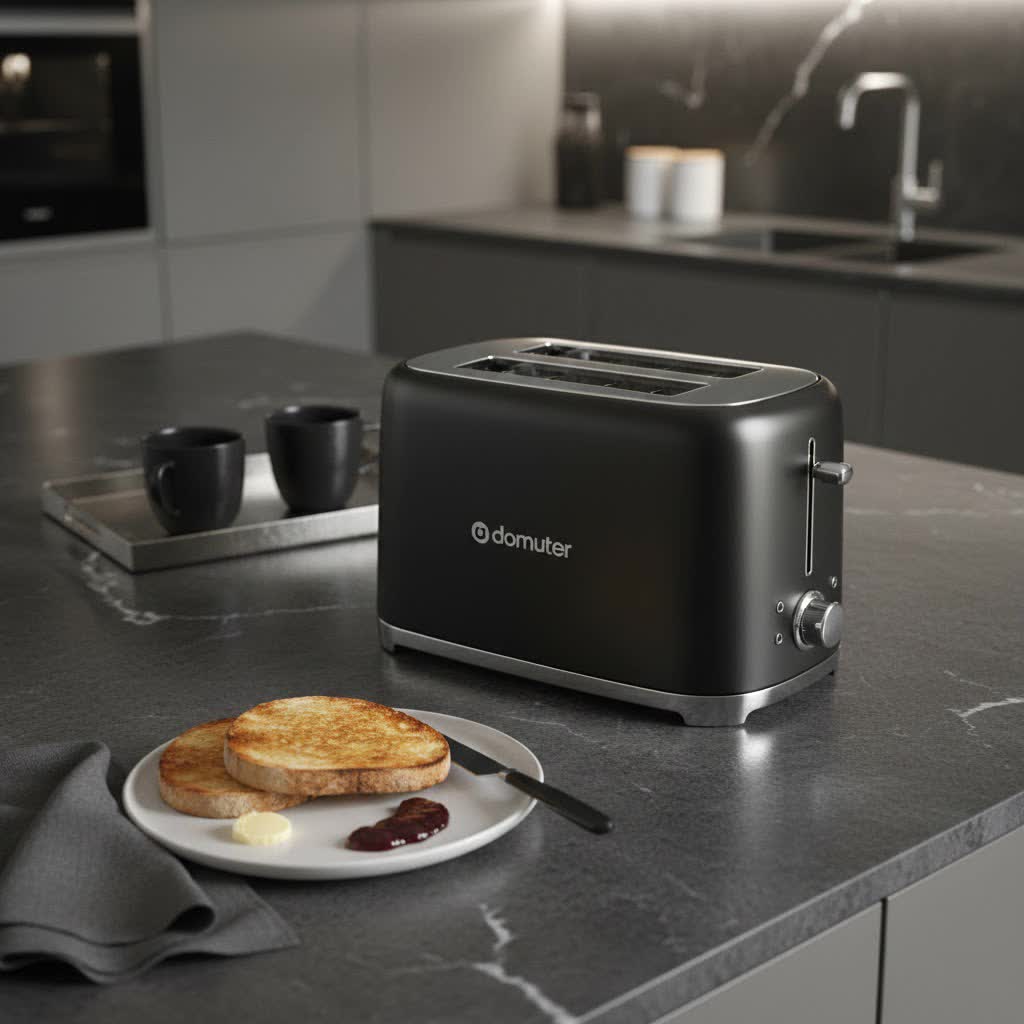
At its core, a toaster is a small kitchen appliance designed to brown sliced bread using radiant heat. Its primary function is simple: transform a soft, plain slice of bread into a crisp, golden-brown piece of toast, enhancing its flavor and texture. From quick weekday breakfasts to leisurely weekend brunches, a reliable toaster is essential for many households, providing a convenient way to prepare a variety of warm, toasted treats.
The history of the toaster is a tale of continuous innovation driven by evolving consumer needs. Early models were rudimentary, often requiring manual flipping and constant supervision. The invention of the automatic pop-up toaster revolutionized the process, offering unparalleled convenience. As bread varieties expanded beyond uniform pre-sliced loaves, the design of toaster slots faced a new challenge. The emergence of bagels, thicker-cut artisan bread, and even Texas toast created a demand for more accommodating slot sizes. This shift in bread preferences directly influenced manufacturers to produce toasters with wider openings, paving the way for the 1.5-inch wide slot to become a crucial feature in modern toaster design.
The Evolution of Toaster Design: Why Wider Slots Became Essential
The culinary landscape has dramatically shifted over the past few decades. Consumers are increasingly seeking out a broader range of bread products, moving beyond the traditional, thinly sliced sandwich loaf. Artisan bakeries have flourished, offering thick, rustic slices of sourdough, multi-grain bread, and rye that boast unique textures and flavors. Similarly, bagels, English muffins, and specialty frozen waffles have become breakfast staples. These modern bread types, with their varying thicknesses and often irregular shapes, presented a significant challenge for conventional toasters equipped with narrow slots.
Traditional toaster slots, often measuring less than 1.25 inches, were simply not built to handle the girth of a freshly sliced bagel or a hearty piece of sourdough. The result was often frustration: bread jammed, failed to toast evenly, or was left with unappetizing pale edges where it couldn’t fully descend into the heating elements. This meant either forcibly cramming bread into slots, risking damage to the toaster and the bread, or resorting to alternative, less convenient toasting methods like a grill or oven.
The development of the 1.5-inch wide slot directly addresses these long-standing limitations. This seemingly small increase in width makes a monumental difference in functionality and user experience. It reflects a growing understanding by manufacturers of contemporary dietary habits and the desire for greater versatility in kitchen appliances. This adaptation ensures that a wider array of baked goods can be perfectly toasted, accommodating the diverse tastes of today’s consumers. It is a testament to how appliance design must evolve in tandem with our culinary journeys.
Key Benefits of 1.5-Inch Wide Toaster Slots
The adoption of 1.5-inch wide slots in toasters brings a host of practical advantages that significantly enhance the overall toasting experience. These benefits extend beyond mere accommodation, leading to better results and greater convenience for users.
Unparalleled Versatility for Diverse Bread Types
The most significant advantage of wider slots is their ability to accommodate a vast range of bread products that standard toasters simply cannot. This includes:
- Bagels: The quintessential breakfast item can now be toasted to perfection without getting squashed or stuck.
- Thick-cut Artisan Breads: Sourdough, challah, brioche, and rustic loaves, often hand-sliced, fit easily, allowing for uniform browning.
- Homemade Breads: Whether from a bread machine or baked from scratch, these loaves often have irregular thicknesses that wide slots handle with ease.
- Specialty Items: English muffins, frozen waffles, pastries, and even Texas toast can be inserted and removed without hassle.
|
Our Picks for the Best Toaster in 2026
As an Amazon Associate I earn from qualifying purchases.
|
||
| Num | Product | Action |
|---|---|---|
| 1 | bella 2 Slice Slim Toaster, Fits-anywhere™ Kitchenware, 6 Setting Shade Control with Reheat & Cancel Buttons, Fits sourdough, 10” Long Slot, Anti Jam & Auto Shutoff, 900 Watt, Oatmilk |

|
| 2 | Elite Gourmet ECT-3100 4-Slice Long Slot Toaster | Extra Wide Slots for Bagels, Sourdough & Texas Toast | 6 Browning Settings | Reheat, Defrost & Cancel | Built-In Warming Rack | Stainless Steel |
|
| 3 | Elite Gourmet 2-Slice Cool Touch Toaster – 6 Browning Levels, Extra Wide 1.25” Slots for Bagels & Thick Bread, Cancel Function, Compact, ETL Certified, Black |
|
| 4 | Elite Gourmet ECT-1027 Cool Touch Toaster, 7 Toast Settings Cancel Functions, Slide Out Crumb Tray, Extra Wide 1.5" Slots for Bagels Waffles Specialty Breads, Puff Pastry, Snacks, White |
|
| 5 | bella 2 Slice Slim Toaster, Fits-anywhere™ Kitchenware, 6 Setting Shade Control with Reheat & Cancel Buttons, Fits Sourdough, 10” Long Slot, Anti Jam & Auto Shutoff, 900 Watt, Surf |
|
| 6 | BLACK+DECKER 4-Slice Toaster, Extra Wide Slots, 7 Shade Settings, 1400 Watts, Frozen and Bagel Buttons, Toast Shade Selector, Extra Lift |
|
| 7 | Cuisinart 4 Slice Compact Stainless Steel Toaster with Extra-Wide Slots for Bread, French Toast, Bagels & Pastries, Defrost & Reheat Functions, CPT-180P1, Brushed Stainless, Removable Crumb Tray |
|
| 8 | Cuisinart CPT-122BK 2-Slice Compact Plastic Toaster, Slots for Bagels & Bread, 7 Shade Settings, Cancel/Defrost/Reheat Functions, Removable Crumb Tray, Small Kitchen Appliance for Home & Office, Black |
|
| 9 | BLACK+DECKER® 2-Slice Toaster with 7 Toast Shade Settings, Extra-Wide Slots for Bagels, Stainless Steel Exterior Finish |
|
| 10 | Amazon Basics 2 Slice Toaster, Extra Wide Slots for Bagels, 6 Browning Settings, Removable Crumb Tray, Defrost/Cancel/Bagel Buttons, Cord Wrap, 900W, Black & Silver |
|
This versatility means fewer compromises and a greater ability to enjoy all your favorite toasted goods.
Superior and Even Toasting Performance
When bread is squeezed into a narrow slot, it can lead to uneven toasting, with some parts burnt and others barely warm. Wider slots allow bread slices to sit properly within the heating elements, promoting consistent airflow and even heat distribution. This results in:
- Uniform Browning: Every part of the bread is exposed to heat evenly, ensuring a consistent golden-brown finish from edge to edge.
- Reduced Jamming: With ample space, even thick or irregularly shaped items glide smoothly into the slots, preventing them from getting stuck or requiring manual intervention.
- Optimal Crispness: Proper heat exposure allows the bread to crisp up uniformly, providing that satisfying crunch without being overly dry or undercooked.
“The shift to 1.5-inch wide slots is a game-changer for toast quality. It’s not just about fitting the bread; it’s about optimizing the heating environment for a truly superior, even toast every single time.” – Chef Antoine Dubois, Culinary Technologist
Enhanced User Experience and Safety
Beyond performance, wide slots contribute to a more user-friendly and safer operation. The ease of inserting and removing bread minimizes the risk of burning fingers or damaging delicate baked goods. Many wide-slot toasters also feature a high-lift lever, which further elevates smaller items like English muffins or crumpets, making them easier and safer to retrieve without resorting to kitchen utensils. This combination of space and thoughtful design improves both convenience and safety.
Factors to Consider When Choosing a Toaster with Wide Slots
Selecting the right toaster is a balance of features, functionality, and aesthetic appeal. When focusing on wide-slot models, several key factors come into play to ensure you make the best choice for your kitchen and toasting habits.
Slot Width and Length
While the 1.5-inch width is a crucial starting point, consider the length of the slots.
- Standard Length Slots (2-slice or 4-slice): These are common and suitable for most square or rectangular slices.
- Long-Slot Toasters: Often designed with two very long slots, these are ideal for larger, artisan loaves, baguettes, or even multiple smaller items in a single slot. If you frequently toast bread that is longer than average, a long-slot model is highly recommended.
Toaster Type
Most wide-slot discussion centers on pop-up toasters, but it’s worth noting other types:
- Pop-up Toasters: The classic design, now enhanced with wider slots, offers quick, direct toasting.
- Toaster Ovens: While offering greater versatility for baking, roasting, and broiling, their toasting capabilities might be slower or less precise than dedicated pop-up toasters for simple slices of bread. For pure toast perfection of diverse bread types, a good wide-slot pop-up toaster is often preferred.
Number of Slots
Consider your household size and toast consumption:
- Two-Slot Toasters: Ideal for individuals or small households, saving counter space.
- Four-Slot Toasters: Perfect for families or those who frequently prepare multiple servings, often featuring independent controls for each pair of slots. Some “four-slice” models are actually two long slots, accommodating four standard slices or two very long ones.
Special Features
Modern wide-slot toasters often come equipped with a range of specialized functions that further enhance their utility:
- Bagel Function: Toasts the cut side of a bagel while gently warming the crust side, preventing over-browning.
- Defrost Function: Gently thaws frozen bread before toasting, ensuring even results without burning.
- Reheat Function: Warms up cold toast without further browning.
- High-Lift Lever: Essential for safely retrieving smaller items like English muffins or crumpets.
- Variable Browning Settings: Offers a spectrum of toast shades, from light golden to dark crisp, catering to individual preferences.
- Self-Centering Guides: These internal wire guides ensure that bread, regardless of its thickness, is held in the center of the slot for even heat distribution.
- Removable Crumb Tray: A crucial feature for easy cleaning and hygiene, preventing crumb buildup.
- Keep Warm Function: Some advanced models can keep toast warm after it pops up.
Size, Design, and Durability
The physical footprint of the toaster is important, especially in smaller kitchens. Consider:
- Overall Dimensions: Ensure it fits comfortably on your counter.
- Material and Finish: Stainless steel offers durability and a sleek, modern look, while plastic models might be lighter and come in various colors.
- Build Quality: A robust build indicates longevity. Look for sturdy construction and reliable mechanisms.
Brand Reputation and Price
- Trusted Brands: Companies like Breville, Cuisinart, KitchenAid, and Dualit often receive high marks for performance and durability in the wide-slot category.
- Price Range: Wide-slot toasters vary widely in price, from budget-friendly options to premium models with advanced features. Determine your budget but remember that investing in a good quality toaster can pay off in the long run with consistent performance and longevity.
Top Wide-Slot Toaster Models: A Comparative Look
When exploring the market for a new wide-slot toaster, you’ll find an impressive array of models designed to meet diverse needs. While specific models and prices fluctuate, here’s a general comparison of common features and types you’ll encounter.
| Feature / Model Type | Standard 2-Slice Wide Slot | 4-Slice Wide Slot (2×2 configuration) | Long-Slot Wide Toaster (2-slice) |
|---|---|---|---|
| Slot Width | 1.5 inches + | 1.5 inches + | 1.5 inches + |
| Capacity | 2 slices | 4 slices (2 pairs of slots) | 2 very long slices or 4 standard |
| Ideal For | Singles, couples, small kitchens | Families, frequent toast eaters | Artisan breads, bagels, baguettes |
| Footprint | Compact, space-saving | Wider or deeper, takes more counter space | Long and narrow, less deep |
| Key Features | Defrost, Bagel, Reheat, Variable Browning, Crumb Tray | Dual independent controls, Defrost, Bagel, Reheat, High Lift, Crumb Tray | Defrost, Bagel, Reheat, High Lift, Extra-long slots, Crumb Tray |
| Typical Material | Stainless Steel, Plastic | Stainless Steel, Plastic | Stainless Steel, Metal |
| Price Range | Budget to Mid-Range | Mid-Range to Premium | Mid-Range to Premium |
| Pros | Small, efficient, versatile for two | High capacity, often with independent settings | Accommodates unique bread shapes, versatile |
| Cons | Limited capacity | Larger footprint, can be bulky | Long shape might not fit all counters |
Model Type 1: Standard 2-Slice Wide Slot Toaster
- Pros: Perfect for small households, takes minimal counter space, often more affordable. Excellent for daily bagels and thick toasts for one or two people.
- Cons: Limited capacity for larger gatherings.
Model Type 2: 4-Slice Wide Slot Toaster (2×2 Configuration)
- Pros: Handles family breakfasts efficiently. Many models offer independent controls for each pair of slots, allowing you to toast different items at different settings simultaneously.
- Cons: Can be bulky, requiring more counter space.
Model Type 3: Long-Slot Wide Toaster (2-Slice)
- Pros: The ultimate choice for artisan bread lovers. The extended slot length means you don’t have to cut those beautiful, long slices of sourdough or ciabatta in half. Many models can also fit up to four standard-sized slices of bread in their two long slots.
- Cons: Its elongated design may not fit all kitchen layouts, and they can sometimes be pricier.
Regardless of the model type, look for features like self-centering guides for even toasting, a high-lift lever for safe retrieval of smaller items, and a removable crumb tray for easy cleaning. Customer reviews and expert ratings are invaluable resources for evaluating consistency and durability across different brands and models.
Maximizing Your Wide-Slot Toaster Experience: Usage and Maintenance Tips
To ensure your wide-slot toaster consistently delivers perfectly browned toast and remains a reliable kitchen companion for years, proper usage and maintenance are key.
Safe and Effective Usage
- Read the Manual: Always start by reviewing your specific toaster’s instruction manual. It contains crucial information about settings, special features, and safety warnings.
- Load Correctly: For wide slots, ensure bread slices are inserted centrally and don’t overlap. Use the bagel setting for bagels and English muffins to toast only the cut side.
- Adjust Browning Settings: Experiment with the browning dial to find your preferred level for different types of bread. Thicker or denser breads might require a slightly higher setting or a longer cycle.
- Utilize Special Functions: Don’t forget the defrost function for frozen items, which ensures they thaw gently before toasting, preventing burning. The reheat function is perfect for warming toast that has cooled down.
- Never Force Bread: If a piece of bread doesn’t fit easily, do not force it. This can damage the heating elements or the toaster mechanism.
- Avoid Metal Utensils: Never insert metal utensils into a toaster, especially while it’s plugged in or operating, due to the risk of electric shock. Use the high-lift lever to retrieve smaller items.
Cleaning and Maintenance for Longevity
Regular cleaning is vital for both hygiene and the performance of your toaster. Crumb buildup can affect heating efficiency and even pose a fire hazard.
- Unplug First: Always ensure the toaster is unplugged and completely cool before cleaning.
- Empty Crumb Tray: Most wide-slot toasters come with a removable crumb tray at the bottom. Slide it out, tap out the crumbs into a waste bin, and wipe the tray clean with a damp cloth. Wash if necessary, and ensure it’s completely dry before reinserting.
- Shake Out Loose Crumb: Gently turn the toaster upside down over a sink or trash can and shake it to dislodge any remaining crumbs stuck inside. Do this periodically.
- Wipe Exterior: Use a soft, damp cloth to wipe down the exterior of the toaster. For stainless steel finishes, a specialized stainless steel cleaner can help maintain its shine and prevent smudges. Avoid abrasive cleaners or scouring pads, which can scratch the surface.
- Clean Slots (Optional, with caution): If you notice significant buildup inside the slots, you can use a dry, soft brush (like a pastry brush) to gently dislodge crumbs, but only when the toaster is unplugged and cold. Never use water or liquids directly in the slots.
Troubleshooting Common Issues
- Uneven Toasting: If toast is still uneven despite wide slots and self-centering guides, ensure the bread is fresh (stale bread toasts differently) and positioned correctly. Some toasters might have “hot spots,” which can be minimized by rotating the bread or adjusting the setting.
- Bread Sticking: Ensure crumbs are regularly cleared. If bread frequently sticks, consider using the high-lift function more often.
- Toaster Not Working: Check if it’s plugged in correctly and if the outlet has power. If issues persist, refer to the manual or contact customer support.
By following these simple usage and maintenance tips, your 1.5-inch wide slot toaster will provide years of reliable, perfectly toasted goodness.
Choosing the Ideal Wide-Slot Toaster for Your Home
Selecting the perfect wide-slot toaster means finding an appliance that seamlessly integrates into your lifestyle and fulfills your specific toasting desires. With so many options available, a thoughtful approach will lead you to the best choice.
Determine Your Needs and Habits
Begin by honestly assessing how you use a toaster:
- What kind of bread do you eat most often? If you frequently enjoy thick bagels, artisan sourdough, or homemade loaves, a toaster with genuine 1.5-inch or wider slots is non-negotiable. If you stick to standard sliced bread but occasionally crave a thicker option, most modern wide-slot models will suffice.
- How many people use the toaster daily? A single individual might be content with a compact 2-slice model, while a bustling family will benefit greatly from a 4-slice or long-slot toaster to save time.
- How often do you use it? Daily users might prioritize durability and advanced features, whereas occasional users might lean towards budget-friendly options.
Set a Realistic Budget
Toasters come in a wide price range. While you can find basic wide-slot models at lower price points, investing a bit more often brings enhanced features, better build quality, and greater reliability. Consider your toaster an investment in your daily convenience and culinary pleasure. Factor in not just the initial cost, but also the potential for longevity and consistent performance.
Prioritize Essential Features
Based on your needs, make a list of must-have features. For example:
- High-lift lever for smaller items.
- Bagel and Defrost functions if you eat these items regularly.
- Multiple browning settings for precise control.
- Removable crumb tray for easy cleaning.
- Self-centering guides for perfectly even toast.
Don’t pay for features you won’t use, but don’t compromise on those that are truly important for your toasting preferences.
Research and Read Reviews
Before making a final decision, delve into reviews from other users and independent product testers. Pay attention to comments regarding:
- Toasting Evenness: Does it toast consistently across the slice and across multiple batches?
- Durability: How well does it hold up over time?
- Ease of Cleaning: Is the crumb tray truly effective and easy to remove?
- Noise Level: Some toasters can be quite noisy when they pop up.
Look for patterns in positive and negative feedback to get a well-rounded view of a product’s real-world performance. Comparing a few top contenders side-by-side on their features, prices, and reviews will help you confidently choose the ideal wide-slot toaster that will bring joy to your mornings.
Conclusion
The evolution of the toaster, particularly the widespread adoption of 1.5-inch wide slots, marks a significant milestone in kitchen appliance design. It’s a direct response to our changing culinary landscape, accommodating the diverse, delicious array of breads that have become staples in modern homes. From thick, crusty artisan loaves to plump, chewy bagels, these wider slots ensure every slice is toasted to golden perfection, free from jamming and uneven browning. This isn’t merely an upgrade; it’s a fundamental enhancement that delivers unparalleled versatility, superior performance, and a more enjoyable, frustration-free start to your day.
Choosing the right wide-slot toaster means considering your personal toasting habits, the types of bread you love, and the features that matter most to you. By prioritizing slot width, exploring useful functions like defrost and bagel settings, and investing in quality, you can ensure your toaster is well-equipped to handle any slice you throw its way. Ultimately, a good toaster with 1.5-inch wide slots isn’t just about making toast; it’s about elevating your entire breakfast experience. What will be your first perfectly toasted treat from your new wide-slot toaster?
Frequently Asked Questions
What does “wide slot toaster” mean?
A “wide slot toaster” refers to a toaster with slots typically measuring 1.5 inches (approximately 3.8 cm) or more in width. This design allows it to accommodate thicker items such as bagels, artisan bread, homemade slices, and specialty pastries that would typically get stuck or toast unevenly in narrower, standard toaster slots.
Can I toast regular, thin bread in a wide slot toaster?
Yes, absolutely. Wide slot toasters are designed with self-centering guides that adjust to the thickness of your bread. This ensures that even regular, thinly sliced bread is held perfectly in the middle of the slot, receiving even heat from both sides for consistent browning, just like in a standard toaster.
Are wide slot toasters more expensive than standard toasters?
While some premium wide-slot models can be more expensive due to advanced features or brand, basic wide-slot toasters are readily available across various price points. The increasing demand for versatile toasters has made wide-slot designs a common feature, often without a significant price premium over comparable standard-slot models.
What is the “bagel” function on a wide slot toaster?
The bagel function is a specialized setting that toasts only one side of the bread item (typically the cut side of a bagel) while gently warming the other side. This prevents the crust of a bagel from becoming overly crunchy or burnt, delivering a perfectly toasted interior and a soft exterior.
How do I clean a wide slot toaster?
Cleaning a wide slot toaster is simple. First, ensure the toaster is unplugged and cool. Then, remove the crumb tray, empty it, and wipe it clean. You can also gently turn the toaster upside down to shake out any remaining crumbs from inside the slots. Wipe the exterior with a damp cloth. Avoid using water directly in the slots or abrasive cleaners.